Explore trusted rig components for global markets
Fllow us:

  • shabang03
Leave Your Message

10 Best Well Drilling Machines for Sale

Groundwater is easy to overlook until a dry tap or a failing pump makes it urgent. UNESCO’s 2022 World Water Development Report estimates that groundwater supplies about half of domestic water withdrawals and roughly one-quarter of irrigation withdrawals worldwide. Those figures make dependable drilling equipment more than a purchase-list item. It is a practical investment in reaching a water source safely and efficiently.

Choosing a Well Drilling Machine takes more than comparing prices or maximum drilling depth. Soil and rock conditions, borehole diameter, available power, transport access, and operator experience all affect the right fit. A compact rig may suit a tight rural site, while a larger rotary machine can handle demanding formations—but size alone does not guarantee better results. Check the manufacturer’s stated capacity, drilling method, maintenance requirements, parts availability, and safety features. Ask for specifications in writing.

This guide reviews 10 machines for sale across different project needs and operating conditions. The comparison focuses on useful details, not impressive-looking claims: engine or motor output, mobility, operating costs, and the work each rig is designed to perform. Prices and specifications can change, and published figures may not reflect local ground conditions. That matters. Even a strong machine can be the wrong choice when the site assessment is weak. A qualified local drilling professional can help verify whether a model matches the geology and the intended well.
10 Best Well Drilling Machines for Sale

What Well Drilling Machines Do and How They Work

10 Best Well Drilling Machines for Sale

What Well Drilling Machines Do and How They Work

Well drilling machines create narrow, controlled shafts through soil, rock, and fractured ground. They provide access to groundwater for domestic, agricultural, and industrial use. The machine type should match the geology, depth, hole diameter, and site access.

Rotary rigs turn a drill bit while pushing it downward. Air, water, or drilling fluid carries cuttings back to the surface. In loose ground, fluid also helps support the borehole walls. Percussion machines work differently. Their heavy bit repeatedly strikes the formation, breaking hard rock into smaller pieces. Auger rigs use a helical blade to lift soil upward, making them useful for shallow, softer formations.

A trained operator watches torque, penetration speed, fluid pressure, and vibration. These readings can reveal a worn bit or unstable ground. Steel casing may be installed to prevent collapse and protect the open hole. After drilling, the borehole is usually cleaned and tested before a pump is selected. A flow test matters because a deep hole does not always produce enough water.

No machine is perfect. A powerful rig can damage a small site or oversize the borehole. Poor fluid control may also contaminate samples or hide changing layers. Careful site investigation, equipment inspection, and documented drilling records improve reliability. Local groundwater rules and safety procedures must guide every project.
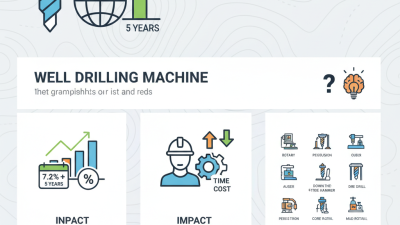
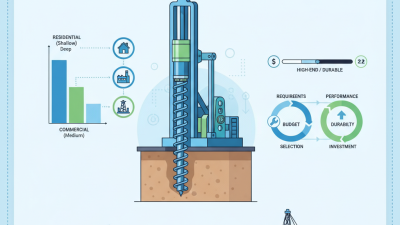
10 Best Well Drilling Machines for Sale: What They Do and How They Work

Typical representative drilling depths by machine configuration

Well drilling machines combine rotation, downward pressure, and a circulation system to break rock and remove cuttings. Mud rotary rigs circulate drilling fluid, air rotary and down-the-hole rigs use compressed air, cable-tool rigs lift and drop a heavy bit, while sonic rigs use high-frequency vibration. The depth figures shown are approximate representative capacities; actual performance depends on geology, borehole diameter, tooling, and rig configuration.

Common Types of Well Drilling Machines for Sale

Common Types of Well Drilling Machines for Sale

Rotary drilling rigs turn a bit while circulating drilling fluid or air to clear cuttings. Mud rotary systems suit many unconsolidated soils, where fluid helps stabilize the borehole. The fluid also carries soil fragments to the surface, where operators can monitor them.

Air rotary rigs use compressed air and often work efficiently in harder rock. With a down-the-hole hammer, the bit strikes as it rotates. It can make steady progress through dense formations, though compressors add equipment and fuel demands.

Site conditions matter more than a machine’s advertised speed.

Cable tool rigs raise and drop a heavy bit to break rock, then remove loosened material with a bailer. Their slower, repeated impacts can be useful in varied formations, but each cycle takes time.

Auger rigs rotate a helical blade to lift loose soil and are commonly used for shallow holes or preliminary work. They are not a universal substitute for a deep-well rig.

Not always. Before comparing machines for sale, consider target depth, expected geology, access, water availability, and the crew’s maintenance skills.

A narrow farm track, for example, may rule out a large rig even when its rated capacity looks ideal.

Soil logs and advice from experienced drillers can help narrow the choice, but ground conditions may still change unexpectedly.

That uncertainty deserves a place in the plan.

Key Factors for Choosing a Well Drilling Machine

10 Best Well Drilling Machines for Sale

Key Factors for Choosing a Well Drilling Machine

Choosing a well drilling machine starts with the ground, not the price tag. Soil, rock layers, water depth, and access space determine the right design. Rotary rigs suit many formations, while air-powered systems can handle harder rock efficiently. Check the machine’s rated drilling depth and torque. A high number means little if the frame cannot remain stable.

Look closely at mobility. A compact crawler can cross uneven ground and fit through narrow gates. Measure the entrance before ordering. Power selection also matters. Diesel units may support demanding work, but fuel use and maintenance can raise operating costs. Electric systems may work well near reliable power. They are not always practical in remote fields.

Safety controls deserve careful inspection. Emergency stops, protective guards, hydraulic locks, and clear operating instructions reduce avoidable risks. Ask for load charts, service records, and replacement-part availability. Test noise, vibration, and control response when possible. Small faults become expensive delays. I have seen buyers focus heavily on drilling speed and overlook mast alignment. That mistake can produce crooked holes and uneven casing placement. It is worth checking local regulations and qualified operator requirements before purchase. A machine should match the crew’s skills, not just the project’s ambition.

10 Best Well Drilling Machines for Sale by Use Case

10 Best Well Drilling Machines for Sale

10 Best Well Drilling Machines for Sale by Use Case

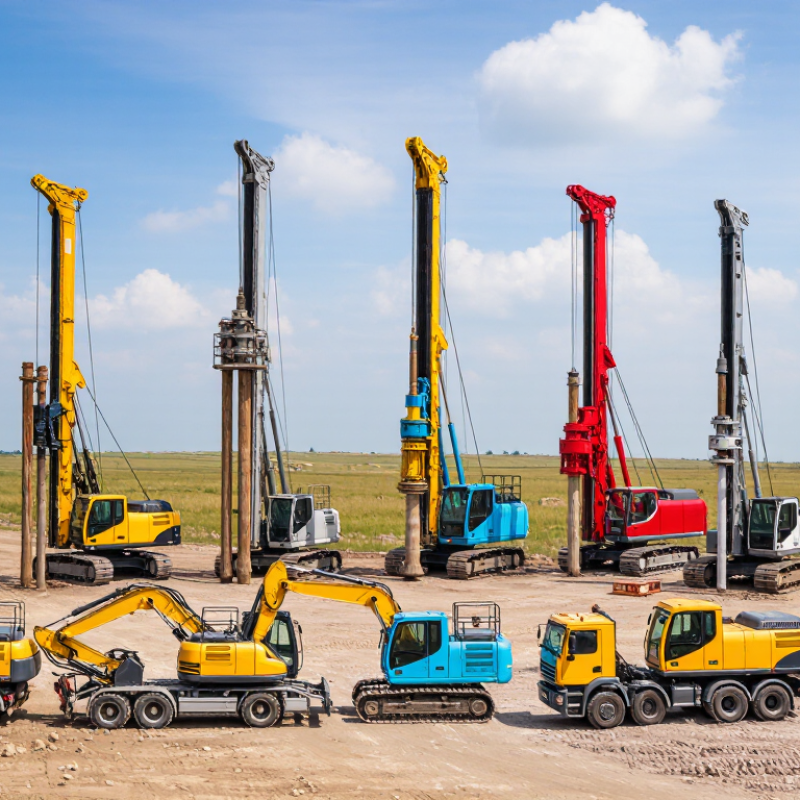
Choosing the best well drilling machine depends on geology, access, depth, and water demand. A compact rotary rig suits household wells where yards are narrow and drilling depths are moderate. A trailer-mounted rig works well on farms because one vehicle can transport it between fields. Truck-mounted rotary rigs handle deeper municipal projects, although they need firm access roads and generous turning space.

Crawler-mounted rigs provide better stability on slopes and loose ground. Air rotary rigs cut efficiently through hard rock and fractured formations, producing useful cuttings quickly. Mud rotary machines are more suitable for sand, clay, and gravel because drilling fluid supports unstable borehole walls. A down-the-hole hammer rig delivers strong penetration in solid bedrock, but its compressor demands can be substantial. Cable tool rigs remain practical for shallow wells and careful formation control, though their slower cycle may test impatient crews.

Sonic rigs are valuable for environmental sampling, where clean, continuous cores matter more than maximum production. Geothermal drilling rigs are designed for boreholes serving ground-source heating systems, with compact layouts for residential sites. I have seen buyers focus on rated depth and overlook torque, mast clearance, pump capacity, and spare-part access. That mistake becomes expensive underground. Check local permits, soil reports, casing sizes, and service support before purchase. Manufacturer depth claims also deserve caution; hard formations, water loss, and operator experience can reduce real output. Sometimes the smaller machine wins.

10 Best Well Drilling Machines for Sale by Use Case

Use Case Recommended Machine Type Typical Drilling Method Typical Depth Range Best Suited Ground Conditions Key Selection Consideration
Household water wells on rural properties Truck-mounted rotary rig Rotary drilling with direct circulation About 100–500 ft (30–150 m) Unconsolidated soils and moderately hard formations Check local well regulations, available access, and whether the rig can handle the anticipated casing diameter.
Shallow wells in loose soil Portable hydraulic rotary rig Hollow-stem auger or light rotary drilling About 20–150 ft (6–46 m) Clay, sand, and other relatively soft formations Choose a setup suited to the water table and soil stability; loose formations may require casing during drilling.
Hard-rock water wells Truck-mounted down-the-hole hammer rig Rotary drilling with a pneumatic down-the-hole hammer About 150–1,000 ft (46–305 m) Competent granite, basalt, and other hard rock Confirm compressor capacity, hammer compatibility, and site access for the complete rig and support equipment.
Remote or off-road locations Crawler-mounted drilling rig Rotary or down-the-hole hammer, depending on geology About 100–800 ft (30–244 m) Varied ground conditions where vehicle access is limited Compare ground clearance, transport dimensions, weight, and the need for a separate air compressor or mud system.
Restricted-access residential sites Compact trailer-mounted rig Light rotary or auger drilling About 30–250 ft (9–76 m) Soft to moderately firm soil Measure gates, overhead clearance, and turning space before purchase; compact rigs generally have lower capacity than full-size rigs.
Farm and livestock water supply Medium-duty truck-mounted rotary rig Rotary drilling with mud circulation or air, as conditions allow About 100–600 ft (30–183 m) Mixed soil and rock formations Consider anticipated well diameter, pump requirements, water demand, and the availability of drilling-fluid handling equipment.
Community or small municipal water projects Heavy-duty rotary drilling rig Rotary drilling with direct or reverse circulation About 300–1,500 ft (91–457 m) Deep formations and projects requiring larger-diameter boreholes Match rig capacity to the engineered well design and verify permitting, contractor qualifications, and water-quality testing requirements.
Exploratory groundwater investigation Track-mounted multipurpose rig Auger, rotary, or air drilling, depending on the investigation plan About 30–500 ft (9–152 m) Variable formations where sampling and geological logging are important Prioritize suitable sampling methods, borehole control, and compatibility with the project’s monitoring-well design.
Geotechnical or monitoring wells Compact geotechnical drill rig Hollow-stem auger, solid-stem auger, or rotary drilling About 20–300 ft (6–91 m) Soil and shallow bedrock at construction or environmental sites Choose tooling that supports the required sampling quality and monitoring-well installation; drilling depth depends on ground conditions.
Small-scale drilling with a limited budget Portable or skid-mounted light-duty rig Auger or light rotary drilling About 20–200 ft (6–61 m) Accessible sites with relatively soft ground Compare verified drilling capacity, included tooling, power requirements, and service support; advertised maximum depth is not a guarantee for every site.

Depth ranges are indicative examples, not guaranteed machine specifications. Actual performance depends on geology, borehole diameter, tooling, operator skill, water conditions, and local requirements. Confirm site conditions and applicable permits with a qualified drilling professional before selecting equipment.

Setup, Operation, Maintenance, and Safety Considerations

When evaluating the 10 Best Well Drilling Machines for Sale, setup quality matters as much as drilling capacity. A level working pad prevents mast movement and reduces stress on the frame. Check soil bearing strength before positioning the machine. Keep water lines, fuel storage, and electrical cables outside the rotation zone. OSHA’s 2022 construction safety data recorded 1,069 worker fatalities in the United States, showing why preparation cannot be treated as paperwork.

During operation, inspect the mast, rods, chuck, guards, and emergency stop before each shift. Confirm that every operator understands feed pressure, torque limits, and circulation control. Never stand near rotating rods or suspended tools. Use eye, hearing, hand, and protective footwear suited to the site. NIOSH safety investigations repeatedly identify struck-by and caught-in hazards as serious construction risks. The danger is often invisible until movement begins.

Maintenance should follow documented service intervals, not memory. Clean mud from threads and inspect rods for cracks, bending, or damaged connections. Replace worn hydraulic hoses immediately. Record vibration, overheating, unusual noise, and declining penetration rates. Small warnings matter. Some maintenance plans still rely too heavily on experience, and that can fail under production pressure. BLS reports and OSHA guidance support a practical lesson: competent supervision, isolation procedures, and clear communication reduce preventable exposure around drilling equipment.