2026 Best Oil Drilling Equipment for Global Buyers?
The oil drilling equipment industry is poised for significant transformation by 2026. Global demand for reliable and advanced drilling technologies continues to rise. According to a report by the International Energy Agency (IEA), the oil and gas sector is expected to see investments of over $300 billion annually by this date. These investments will focus on enhancing efficiency and safety in drilling operations.
Expert John Morgan, a leading figure in oil technology research, emphasizes, “The right oil drilling equipment can redefine productivity in this sector.” His insight highlights the importance of selecting cutting-edge tools for successful drilling endeavors. However, as the industry evolves, challenges such as environmental regulations and supply chain complexities persist.
Innovations in automation and digital technologies present exciting opportunities, but they also require careful consideration. Stakeholders must reflect on how these advancements align with sustainability goals. The exploration of these trends will shed light on the future landscape of oil drilling equipment, ensuring it meets global demands effectively.
Overview of Oil Drilling Equipment Types and Their Applications
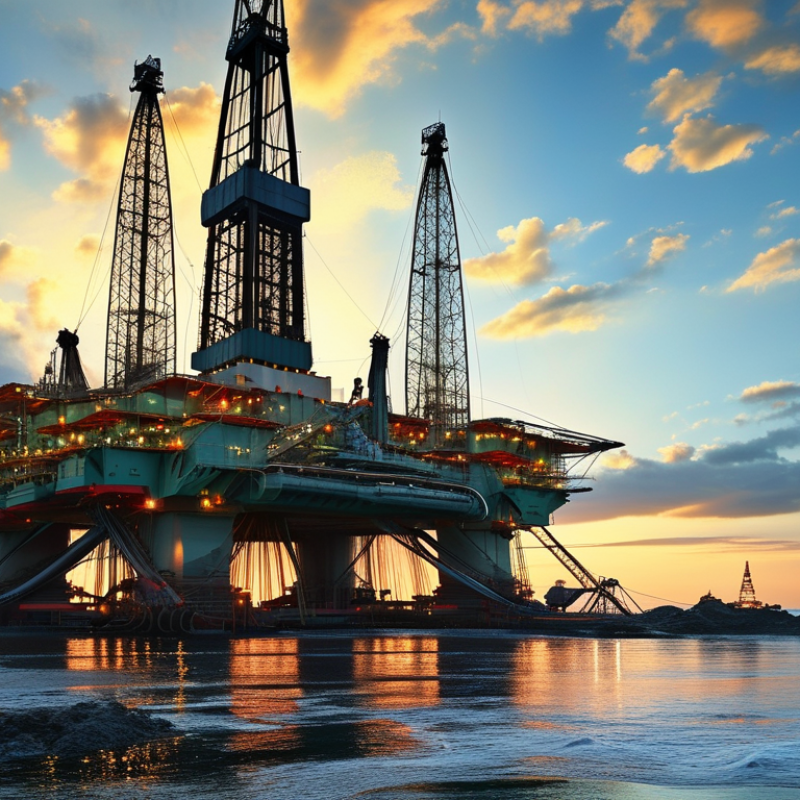
Oil drilling equipment comes in various types, each designed for specific applications in the extraction of crude oil. Rotary drills are one of the most common types, utilizing a rotating drill bit to penetrate the Earth’s surface. According to a recent industry report, over 70% of global drilling activities employ rotary drilling techniques, highlighting their effectiveness and adaptability. This equipment is particularly efficient in both onshore and offshore operations, allowing companies to tap into diverse oil reserves.
Another key type of equipment is the cable tool rig. This traditional method is less common but is still used in some areas for its simplicity. Cable tool rigs are often deployed in shallow wells, where more advanced technologies may not be economically viable. Despite their lower efficiency compared to rotary rigs, they remain relevant for certain operations, especially in regions with limited access to modern technology.
Investing in the right drilling equipment is crucial. Assessing the geological characteristics of the drilling site helps in selecting the appropriate tools. Understanding the needs of your operation can lead to better decision-making. Choosing equipment without thorough analysis can result in increased costs and project delays. Regular training for operators also improves efficiency and safety. Industry reports emphasize that well-trained personnel can boost productivity by up to 30%. This investment in knowledge pays off significantly in the long run.
2026 Best Oil Drilling Equipment Types and Applications
Key Features to Consider When Selecting Oil Drilling Equipment
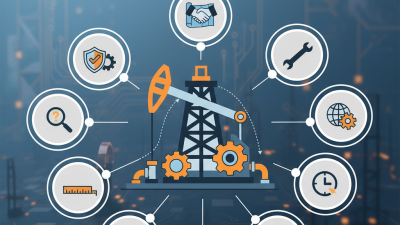
When selecting oil drilling equipment, several key features demand attention. Durability is vital. Drilling sites often face harsh conditions. Equipment must endure extreme temperatures, heavy vibrations, and abrasive environments. Choosing materials that withstand these challenges is crucial. Steel alloys and advanced composites can enhance lifespan and reliability.
Another essential factor is the efficiency of the equipment. High-performance machinery reduces operational costs. Look for features like automated controls and energy-saving technologies. These innovations can significantly lower fuel consumption. Additionally, consider the maintenance requirements. Equipment that requires frequent servicing can lead to downtime. Predictive maintenance technology can help identify issues before they escalate.
Safety features cannot be overlooked. Drilling sites are hazardous. Equipment should include emergency cut-off switches, safety guards, and alarms. Regular safety drills are equally important. Training personnel on proper usage ensures a safer work environment. Balancing these considerations is sometimes challenging. Each project may require different solutions. It's essential to evaluate them based on specific needs and conditions.
2026 Best Oil Drilling Equipment for Global Buyers - Key Features to Consider When Selecting Oil Drilling Equipment
| Equipment Type |
Key Features |
Power Source |
Depth Capacity |
Weight |
| Rotary Drilling Rig |
High torque, advanced control systems |
Diesel |
10000 ft |
200 tons |
| Cable Tool Drilling Rig |
Simple operation, suitable for soft ground |
Electric |
3000 ft |
150 tons |
| Top Drive Drilling System |
Enhanced efficiency, quicker tripping |
Electric |
15000 ft |
180 tons |
| Directional Drilling Rig |
Precision drilling, real-time tracking |
Diesel |
12000 ft |
220 tons |
| Hydraulic Fracturing Equipment |
High pressure, effective sand pumping |
Electric/Diesel |
N/A |
250 tons |
Top Manufacturers and Suppliers of Oil Drilling Equipment in 2026
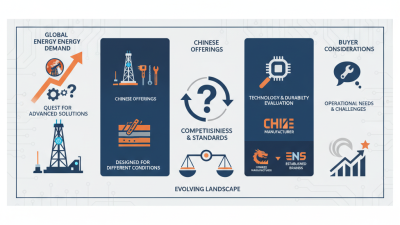
The oil drilling equipment market is evolving. As global demand for energy rises, manufacturers face new challenges. In 2026, the industry is projected to grow at a compound annual growth rate (CAGR) of 4.5%, according to recent reports. This growth brings both opportunities and issues. Manufacturers must adapt to stricter environmental regulations while improving efficiency.
Top suppliers are turning to advanced technologies, such as automation and remote monitoring. These innovations enhance safety and productivity on drilling sites. However, implementing such technologies requires significant investment. Additionally, not all manufacturers can keep pace, leading to disparities in product availability and performance.
The shift toward sustainable practices is another critical factor. Companies are increasingly focusing on eco-friendly equipment. Reports indicate that 25% of buyers prioritize environmental impact when selecting equipment. This trend raises questions about the long-term viability of traditional drilling methods. As the industry progresses, balancing innovation with sustainability remains a pressing concern. The right partnerships will be vital for buyers in this dynamic landscape.
Innovative Technologies Impacting Oil Drilling Equipment Design
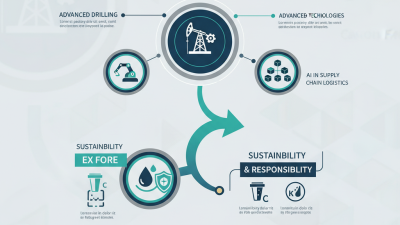
Innovative technologies are transforming the design of oil drilling equipment. The adoption of automation is one major shift.
Robotics and AI-driven systems enhance precision and efficiency. These technologies reduce human error and improve safety on drilling sites. Additionally, they allow operators to remotely oversee complex operations. This leads to cost savings and increased productivity.
Another notable trend is the use of advanced materials. Engineers are now focusing on lighter, stronger materials for equipment. Composite materials, for instance, resist corrosion better than traditional metals. This enhances the durability and lifespan of drilling tools, making them more reliable in challenging environments.
Tips for selecting oil drilling equipment include researching user reviews and performance reports. Understanding the technology behind equipment can provide insights into its reliability. Consulting expert opinions from reputable sources is beneficial. Also, consider the scalability of the technology to meet future demands.
Identifying potential drawbacks in new designs helps refine decision-making. This proactive approach ensures you invest wisely.
Sustainability Trends in the Oil Drilling Equipment Industry
The oil drilling equipment industry is rapidly adapting to sustainability trends. Companies now focus on reducing environmental impacts while enhancing operational efficiency. Many drilling rigs incorporate advanced technologies that minimize emissions. Hybrid systems that combine renewable energy sources are becoming more common. Such innovations reflect a growing awareness of climate change in industry practices.
In this evolving landscape, the need for recycling and reusability is increasingly emphasized. Equipment manufacturers are reconsidering materials to create products that last longer and have less waste. However, despite these advancements, challenges remain. Adoption rates for sustainable practices can be slow, often due to high initial costs. Some operators still prioritize short-term gains over long-term sustainability.
Moreover, regulatory hurdles can hinder progress. Government policies vary significantly across regions, affecting the implementation of sustainable technologies. While industry leaders push for greener solutions, reflexive thinking is required to assess effectiveness. The commitment to sustainability must be genuine, not just a marketing strategy. This nuance is essential for true progress in the oil drilling equipment sector.