Best Well Drilling Machines for Efficient Water Supply Solutions?
In an era where sustainable water supply is critical, the demand for efficient methods has surged. The well drilling machine industry plays a key role in addressing this need. Experts like Dr. Emily Carter, a well-respected geotechnical engineer, emphasize, "Choosing the right well drilling machine can make all the difference in achieving a reliable water source." With various types of machines available, the selection process can be daunting.
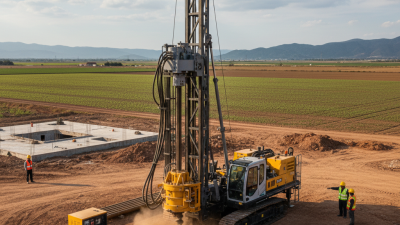
Efficiency and reliability are paramount when drilling for water. Various well drilling machines cater to different ground conditions and water table depths. For example, rotary drillers excel in hard rock, while auger machines are effective in softer soils. Each machine has its strengths and weaknesses, making informed choices essential.
However, not all solutions are perfect. There may be challenges, such as high operational costs or the need for skilled operators. These factors can impact overall project success. It's crucial to evaluate all aspects before selecting a well drilling machine. A well-thought-out approach ensures a sustainable and reliable water supply solution.
Types of Well Drilling Machines Available in the Market
When considering well drilling machines, it's essential to understand the different types available.
Rotary drilling machines are popular for their efficiency. They use a rotating drill bit to penetrate the earth, creating a borehole.
This method is suitable for deep wells and various soil types. It's vital to choose a machine that matches your local geology.
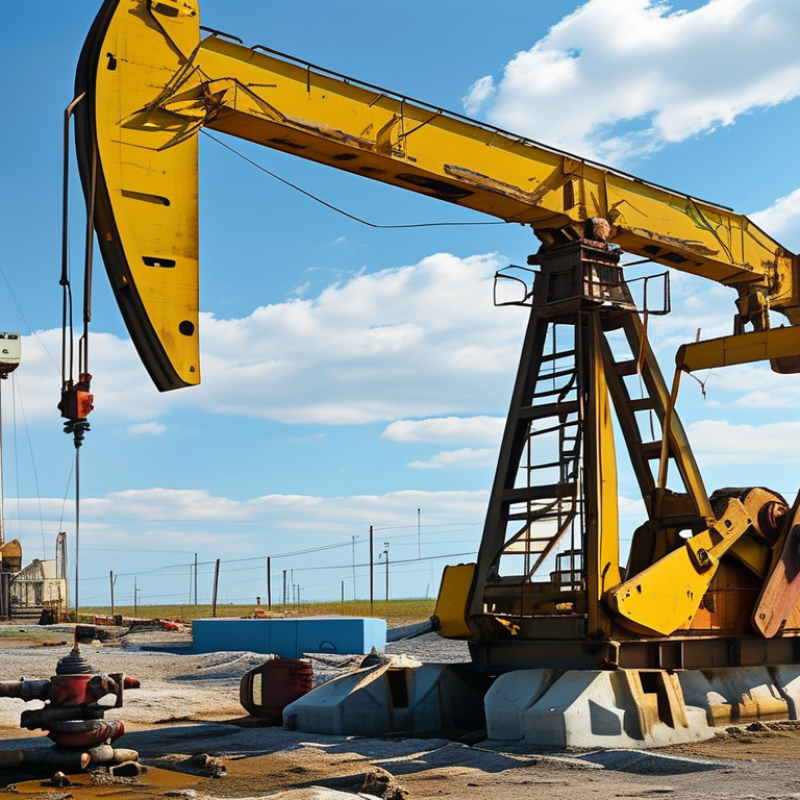
Another option is cable tool drilling. This traditional technique involves a heavy bit that is lifted and dropped to break the soil.
It is reliable but slower than rotary drilling. Many operators prefer this method for shallow wells. Each technique has its advantages and disadvantages,
depending on the site's conditions.
Hydraulic drilling machines are also prevalent. They offer flexibility and speed. The hydraulic power allows for easier control of the drilling process.
However, they can be costly to operate. Operators must be well-trained to ensure safe and effective drilling.
Each machine type presents unique challenges and requires careful consideration before use.
Reflecting on these factors can lead to more informed choices and better outcomes.
Key Features to Look for in Water Well Drilling Equipment
When selecting water well drilling equipment, key features are critical for efficiency and durability. High-quality machinery often includes robust materials that resist rust and corrosion. Equipment with hydraulic systems, rated at least 500 psi, demonstrates superior drilling efficiency. A recent industry report indicates that effective drilling systems can penetrate over 300 feet in a single session.
Tips: Prioritize equipment with a balanced weight distribution. This can enhance stability, reducing the risk of accidents or equipment failure.
Another essential feature is the drill bit type. A quality rotary bit can significantly increase cutting efficiency. According to research, bits designed for various soil types can improve penetration rates by up to 40%. Choose a model adaptable to local geology for better results.
Consider the ease of maintenance. Equipment with user-friendly designs saves time and minimizes downtime. Also, check for parts availability to ensure reliable repairs in the long run. Regular maintenance boosts machinery lifespan but can be overlooked, leading to unexpected breakdowns.
Tips: Keep a maintenance log. Regular documentation can highlight patterns and help prevent future issues.
Best Well Drilling Machines for Efficient Water Supply Solutions
| Machine Type |
Drilling Depth (ft) |
Weight (lbs) |
Power Source |
Key Feature |
| Portable Rotary Drill |
300 |
800 |
Gasoline |
Lightweight and Portable |
| Truck-Mounted Drill |
600 |
3000 |
Diesel |
High Stability |
| Crawler Drill |
1000 |
4000 |
Hydraulic |
Rugged Terrain Capability |
| Vertical Drill |
800 |
1200 |
Electric |
Environmentally Friendly |
| Auger Drill |
200 |
500 |
Gasoline |
Easy to Operate |
Comparative Analysis of Popular Well Drilling Brands
When exploring well drilling machines, it's essential to analyze various brands for optimal water supply solutions. Each brand offers distinct features and technology. Some machines are designed for shallow depths, while others excel in deeper drilling. Recent industry data indicates that efficient machines can reduce drilling time by up to 30%, leading to significant cost savings.
Research suggests that user feedback often points to power efficiency as a critical factor. Many operators prefer machines that provide high torque with lower fuel consumption. Compact designs also receive praise for their mobility. Yet, it's noteworthy that the initial investment may pose a challenge for some users. Balancing upfront costs with long-term savings requires careful consideration.
**Tip:** When choosing a machine, evaluate its versatility. Some models can adapt to various terrains and conditions, making them invaluable tools.
Ultimately, the decision hinges on specific needs. Certain brands shine in reliability but may lack advanced technological features. Assessing user reviews can offer insights into performance and reliability. This nuanced understanding can guide you towards a machine that fits your drilling goals efficiently.
Comparison of Well Drilling Machines - Efficiency Ratings
Maintenance Tips for Ensuring Longevity of Drilling Machines
Maintaining drilling machines is vital for their longevity and efficiency. Regular inspections prevent unexpected breakdowns. Check for wear and tear on parts. Dirt and debris can accumulate over time, affecting performance. A clean machine operates more efficiently. Keep hydraulic systems well-lubricated. This simple step can save time and costs.
Another critical maintenance aspect is monitoring fluid levels. Low oil or coolant can lead to serious damage. Always replace filters regularly. Ignoring this can cause malfunctions. Operators should be trained to spot early signs of issues. A small crack can turn into a costly repair. Documenting maintenance history is beneficial. It helps identify recurring problems and areas needing improvement.
Consider the environment where machines operate. Dusty or wet conditions require extra attention. Equipment in harsh climates may need more frequent checks. Adapting maintenance schedules to match local conditions is wise. While following standard procedures, don’t hesitate to modify them based on experiences in the field. It’s about learning and evolving.
Cost Considerations for Investing in Well Drilling Technology
Investing in well drilling technology requires careful financial planning. The upfront costs can be significant, involving equipment, maintenance, and operational expenses. Understanding these costs helps make a sound decision. You might need a budget that includes not just equipment but also permits and site preparation.
Tips: Always request multiple quotes. This practice offers a better chance to find competitive pricing. Evaluate not only the total cost but also the quality of equipment to ensure long-term efficiency.
Another cost consideration is the ongoing maintenance of drilling machinery. Regular servicing can prevent larger expenses down the road. A neglected machine may lead to breakdowns and project delays, which can be costly. Look for equipment that offers durability and ease of maintenance.
Tips: Keep a log of all maintenance activities. This log can prove invaluable for tracking expenses and planning future investments. Enlightening yourself on maintenance standards is crucial for efficiency.
Beyond the initial purchase, factor in training for operators. Skilled workers reduce the risk of errors and increase productivity. Consider the potential costs of accidents or delays due to inexperience. Investing in proper training pays off in the long run, balancing costs with operational expertise.