Top 10 Well Drilling Equipment for Global Buyers Guide?
In today's global market, well drilling equipment plays a crucial role in various industries. Understanding the right tools is essential for successful drilling operations. This guide aims to shed light on the top 10 well drilling equipment choices available for buyers worldwide.
Many factors influence equipment selection. The specific drilling environment, budget, and project requirements are key considerations. For instance, some projects demand more portable rigs, while others require heavy-duty machinery. Reliability is non-negotiable in this field; choosing the right equipment can significantly impact efficiency and safety.
Buyers should consider both quality and brand reputation. Not all well drilling equipment is created equal. It’s vital to research options thoroughly. While this guide provides insights, each buyer must think critically about their unique needs and conditions. The right equipment is not just a purchase; it’s an investment in future success.
Essential Criteria for Selecting Well Drilling Equipment
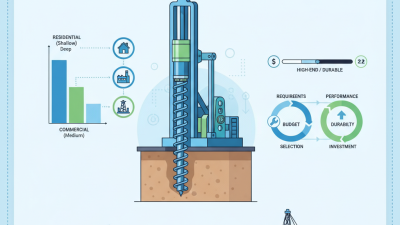
Selecting the right well drilling equipment involves critical considerations. Buyers must focus on specific criteria to ensure efficiency and safety. Equipment reliability is paramount. It must withstand diverse environmental conditions without frequent breakdowns. Look for durable materials in construction.
Operation ease can save time and reduce costs. Equipment should have user-friendly interfaces. It's beneficial to have easy access to maintenance points. For complex machines, detailed manuals and resources are essential. A skilled operator can significantly enhance productivity.
Tip: Always assess the drilling depth and soil conditions before purchasing equipment. Analyze your project’s specific needs. Test equipment in similar environments. Don't overlook the importance of after-sales support. A reputable supplier can provide vital assistance when problems arise. Investing time in thorough research pays off in better outcomes.
Overview of Top Well Drilling Equipment Available in the Market
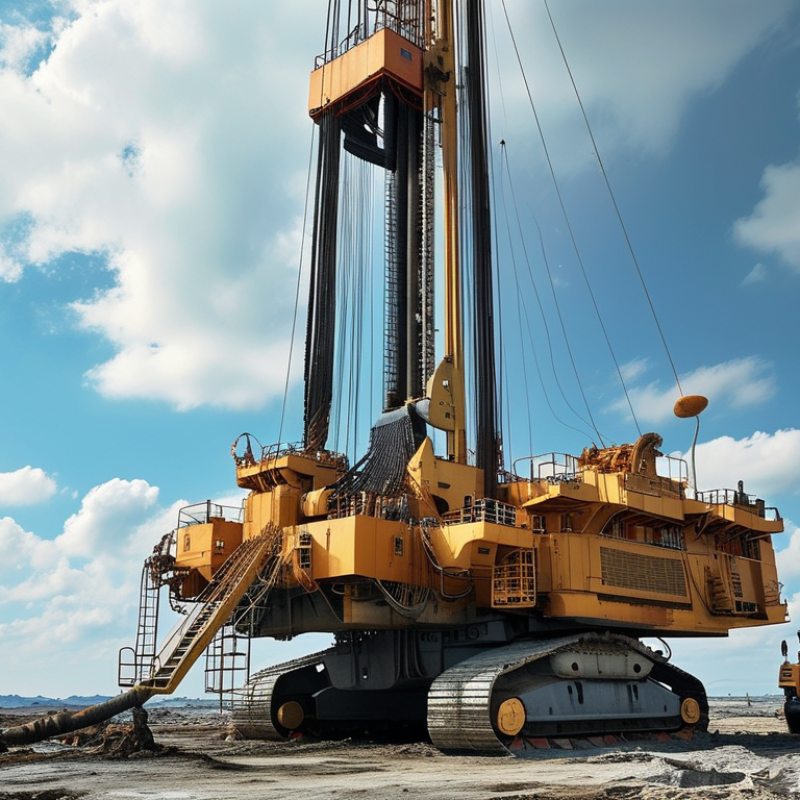
When exploring the well drilling market, understanding the available equipment is crucial. Drilling rigs vary in type, size, and function, allowing for different capabilities. Some are portable and designed for small jobs, while others are enormous, built for large operations. Each type serves a specific purpose, such as water, oil, or geothermal drilling.
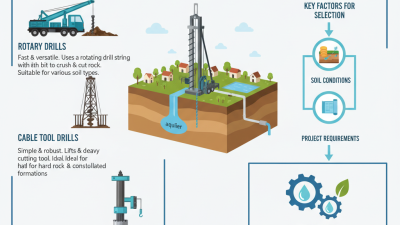
Rotary drilling rigs are among the most common. They use a rotating drill bit to break through the earth. This method is efficient for deeper wells. Air drilling systems incorporate compressed air to cool the drill bit and remove debris. This technique is beneficial in softer ground conditions.
Investors should consider not just the features but also the support and maintenance each equipment type requires. The cost of ownership can add up. Missing the mark on support might lead to downtime or inefficiencies. Evaluating long-term reliability and local service options is vital. High-quality equipment combined with expert support creates a smoother drilling experience. Choices made today will have lasting impacts on future projects.
Key Features and Technologies in Modern Well Drilling Equipment
Well drilling equipment plays a crucial role in various industries. Modern advancements have introduced key features that enhance both efficiency and safety. One essential technology is the use of automated drilling systems. These systems reduce human error and optimize drilling speed. They also allow for better data collection, which can be useful in planning and execution.
Another significant feature is the integration of real-time monitoring systems. These systems provide instant feedback on drilling performance. Operators can make adjustments on the fly. This capability helps avoid costly mistakes. It also improves the overall effectiveness of the drilling process.
Tips: When selecting drilling equipment, consider the terrain. Different soil types may require specific drill bits. It's not just about strength but adaptability. Also, ensure that the maintenance procedures are clearly outlined. Regular checks can prevent unexpected breakdowns. Investing in training for your team can pay off significantly. Ultimately, the right equipment combined with trained personnel can lead to better results.
Top 10 Well Drilling Equipment for Global Buyers Guide
| Equipment Type |
Key Features |
Technologies |
Usage |
Price Range (USD) |
| Rotary Drills |
High efficiency, portable |
Hydraulic systems |
Oil and gas exploration |
50,000 - 200,000 |
| Cable Tool Rigs |
Durable, versatile |
Weighted drill bits |
Water well drilling |
30,000 - 100,000 |
| Reverse Circulation Drills |
Fast penetration, effective cuttings removal |
Dual flow technology |
Mineral exploration |
60,000 - 250,000 |
| Directional Drilling Equipment |
Accurate, minimizes surface impact |
Guidance systems |
Gas, oil, water sectors |
80,000 - 300,000 |
| Auger Drills |
Simple operation, shallow drilling |
Mechanical auger bits |
Geotechnical projects |
20,000 - 75,000 |
| Top Drive Systems |
Increased torque, efficient |
Electric motors |
Deep drilling applications |
100,000 - 400,000 |
| Mud Pumps |
High pressure, reliable performance |
Positive displacement |
Drilling fluid circulation |
25,000 - 90,000 |
| Drill Bits |
Durable materials, different shapes |
Polycrystalline diamond |
Various drilling environments |
1,000 - 10,000 |
| Drilling Rigs |
Integrated systems, high mobility |
Automated controls |
Onshore and offshore |
500,000 - 2,500,000 |
| Well Completion Equipment |
Enhances well productivity |
Packers, subsurface tools |
Oil and gas production |
20,000 - 150,000 |
Comparative Analysis of Leading Brands in Well Drilling Machinery
When selecting well drilling equipment, it's crucial to understand the nuances of various brands. Each manufacturer offers unique features that can significantly impact drilling efficiency. For instance, power, depth capacity, and portability are vital aspects to compare. Some brands excel in lightweight designs, making them more suitable for remote locations. Others focus on deep drilling capabilities, catering to larger projects.
It's essential to evaluate customer feedback on performance and reliability. Users often highlight how ease of use can affect overall productivity. A less intuitive design may lead to operational delays. Furthermore, maintenance requirements can differ widely between brands. Some require frequent servicing, while others are designed for longevity with minimal upkeep.
Budget considerations also play a role in the decision-making process. Higher upfront costs can sometimes mean better long-term value. Warranties and support options are equally significant factors. Prospective buyers should reflect on their specific needs to assess which factors matter most. Balancing cost, functionality, and support will ultimately guide the best choice in well drilling equipment.
Maintenance Tips for Optimal Performance of Drilling Equipment
Maintaining drilling equipment is crucial for ensuring optimal performance. Regular inspections can identify early signs of wear and tear. The industry standard suggests inspecting crucial components every 500 operating hours. This proactive approach minimizes unexpected failures, which can lead to costly downtime.
Lubrication is also vital. Using the right type and amount can significantly impact equipment longevity. Studies indicate that proper lubrication can reduce friction by up to 50%. Yet, operators often overlook this aspect, leading to issues that affect drilling efficiency.
Training personnel on maintenance practices enhances reliability. According to industry experts, companies that invest in training see a 30% reduction in equipment-related issues. This highlights the need for ongoing education in operating protocols. Despite efforts, many still face challenges due to the ever-evolving technology in drilling equipment. It requires constant adaptation to maintain effective operations.