Top 10 Well Drilling Equipment Every Buyer Should Consider?
When venturing into well drilling, it's crucial to focus on the right Well Drilling Equipment. The choices you make can impact efficiency, safety, and overall success. Each type of equipment serves a different purpose and understanding these nuances is vital.
Investing in high-quality well drilling equipment is not just about brand reputation. It's about meeting specific needs based on the type of project. For instance, rotary drill bits carve deep into the earth, while casing tools ensure structural integrity. Selecting the appropriate tools can save time and reduce long-term costs.
However, the process can be overwhelming. The vast array of products might confuse buyers. Misjudgments in equipment choice can lead to delays and unexpected expenses. Therefore, careful consideration is key when navigating the complexities of well drilling equipment. Aim for a balance between cost and functionality, and place reliability at the forefront.
Key Features of Well Drilling Equipment to Evaluate Before Purchase
When considering well drilling equipment, assessing key features is essential for informed decisions. First, evaluate the power source. Equipment can be electric, diesel, or gas-powered. Choosing the right option impacts efficiency and operating costs. For example, diesel engines may offer more power but generate noise. Electric options are quieter but need reliable power sources.
Next, examine the drilling depth capability. Different projects require varying depths. It’s vital to ensure the equipment can reach the necessary depths for your specific requirements. Some models may seem compact but lack depth versatility. Also, consider the drilling speed. Faster operations save time but may compromise accuracy. Having the right balance is crucial.
Lastly, focus on ease of transport and setup. Equipment that's too heavy or complex can delay projects. Investigate the weight and assembly requirements. This reduces downtime during mobilization. While many options may look appealing, reflecting on these aspects will lead to better investments. The right choice ensures efficiency and effectiveness in your drilling projects.
Essential Types of Drilling Rigs for Different Well Depths and Conditions
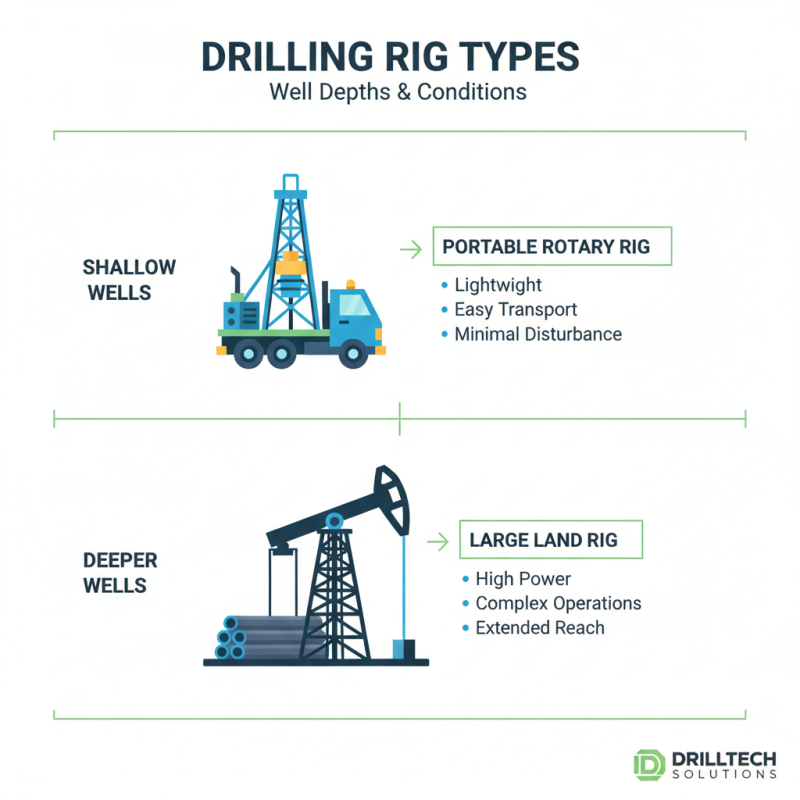
When considering well drilling equipment, it's vital to understand the types of drilling rigs suitable for various well depths and conditions. For shallow wells, a portable rotary rig is often recommended. These rigs are lightweight and can be easily transported to remote sites. Their simplicity makes them ideal for projects requiring minimal disturbance.
For deeper wells, a cable tool rig might be the best choice. This type of rig utilizes a heavy bit that repeatedly strikes the ground. It is efficient in hard rock formations. However, drilling with a cable tool rig can be slow, making project timelines longer. It's essential to weigh the pros and cons of this method before making a decision.
Other conditions, such as soil type and water availability, also influence your choice of rig. A hydraulic rotary rig excels in soft soil and creates less vibration. Conversely, in rocky terrains, more robust rigs are necessary. Choosing the right drilling rig requires careful consideration of the specific project requirements. Misjudging these factors can lead to increased costs and unexpected challenges. Refining your understanding of each rig's capabilities will ultimately aid in selecting the most suitable option for your drilling needs.
Comparative Analysis of Drill Bits: Material, Design, and Performance
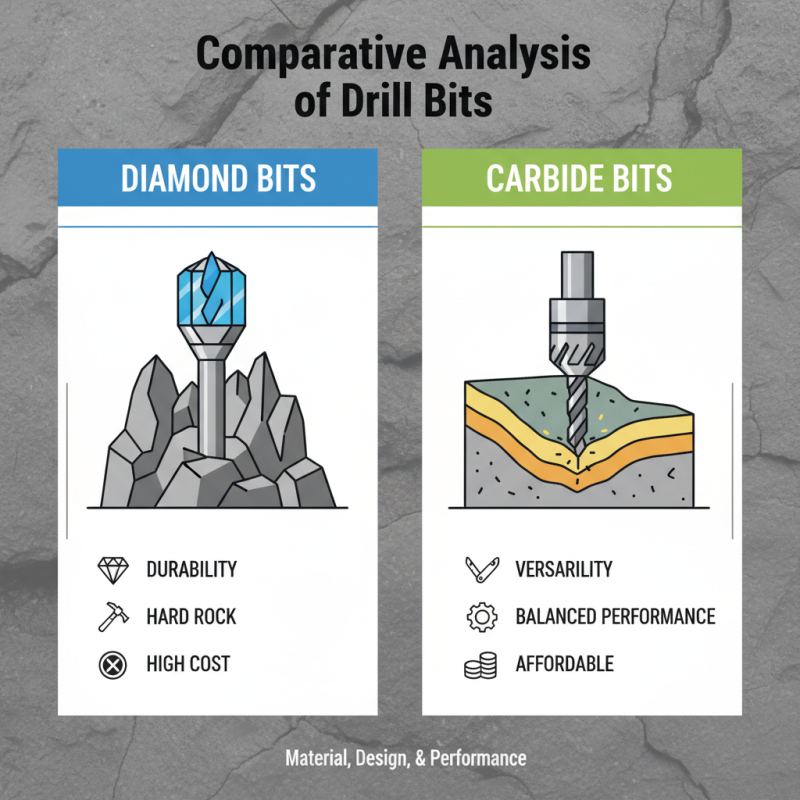
When it comes to drill bits, material choice plays a pivotal role. Diamond bits offer impressive durability, while carbide bits are known for their versatility. Each material has specific applications that greatly influence performance. For instance, diamond bits excel in hard rock formations, but they can be costly. Carbide, on the other hand, provides a balance between affordability and effectiveness, making it a popular choice among many drillers.
Design also impacts drilling efficiency. The shape and style of the bit affect how it navigates through different geological layers. PDC bits, with their unique design, enhance penetration rates significantly. However, they can wear out faster in abrasive conditions. Understanding these design nuances helps buyers align their needs with the right drill bit.
Performance metrics, such as rate of penetration and durability, are critical. A bit that performs well in one environment might not adapt well to another. Drillers often have to evaluate their specific conditions. Reflecting on these choices can improve future drilling successes. Striking the right balance between material, design, and performance ensures a smoother drilling process.
Guidelines for Selecting Pump Systems Optimized for Well Operations
Choosing the right pump system is essential for effective well operations. It’s not just about the equipment’s initial cost, but its long-term reliability and efficiency. A well-designed pump system helps to optimize water extraction yield, ensuring you make the most of your investment. Buyers should consider the pump's flow rate and its suitability for the well’s depth and diameter.
Efficiency is crucial. Diesel and electric pumps each have their pros and cons, depending on the location and application. Traveling long distances with power supply can limit options. Moreover, materials used in pump construction can affect longevity. Corrosion-resistant materials are often more beneficial. Always assess the local environment when making your choice.
Compatibility with existing systems also merits attention. New systems may need to integrate smoothly with old equipment. Regular maintenance plays a vital role in sustaining performance. Often, users overlook maintenance schedules, leading to inefficiencies over time. Be proactive and review operational protocols regularly for any necessary adjustments. This introspection fosters reliability in your pump operations while avoiding unnecessary costs.
Top 10 Well Drilling Equipment Every Buyer Should Consider
This chart illustrates the importance ranking of various well drilling equipment based on various operational efficiencies and buyer considerations. The data reflects insights on the optimal performance and functionality of each equipment type.
Must-Have Safety Equipment and Accessories for Well Drilling Projects
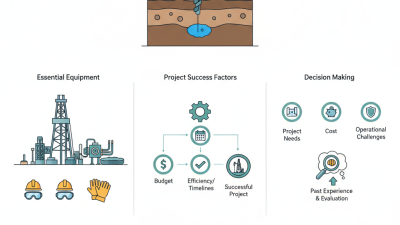
Safety equipment is an essential consideration for well drilling projects. Industry reports indicate that nearly 30% of drilling accidents result from inadequate safety measures. Proper gear can significantly reduce this risk. Some items are vital, including helmets, eye protection, and durable work gloves. These components help shield workers from unpredicted hazards.
Drilling projects often expose workers to various risks, from falling debris to chemical exposure. According to the National Institute for Occupational Safety and Health, almost 40% of serious injuries can be prevented with proper safety gear. For example, harnesses and fall protection systems are crucial when working at heights. Regular training and audits can identify gaps in safety protocols, leading to improved work environments.
Emergency response kits are another critical aspect. These kits should include first aid supplies and communication devices. Many contractors underestimate their importance. An emergency can happen at any moment. Data shows that about 50% of incidents could have been mitigated with better preparedness. Investing in safety equipment not only protects workers but also enhances project efficiency.
Top 10 Well Drilling Equipment Every Buyer Should Consider
| No. |
Equipment |
Description |
Safety Features |
Accessories |
| 1 |
Drill Rig |
A machine used for drilling wells. |
Emergency stop, overload protection |
Muds and fluids system |
| 2 |
Casing |
Pipes used to line the well and prevent collapse. |
Corrosion resistance |
Casing shoes |
| 3 |
Bit |
A cutting tool used to create the borehole. |
Durable materials |
Bit stabilizers |
| 4 |
Drilling Mud |
A fluid used to lubricate and cool the drill bit. |
Non-toxic options available |
Mud pumps |
| 5 |
Pumping System |
Device to extract water from the well. |
Overheat shut-off |
Pressure tank |
| 6 |
Water Level Sensor |
Monitors the water level in the well. |
Alarm system |
Wiring kits |
| 7 |
Safety Gear |
Personal protective equipment for workers. |
High visibility clothing |
Helmets, gloves, goggles |
| 8 |
Wireline Tools |
Used for various measurement and logging operations. |
Safety clamps |
Cable spools |
| 9 |
Drilling Accessories |
Additional tools to aid the drilling process. |
Safety locks |
Wrenches, hammers |
| 10 |
Survey Equipment |
Used for site assessment and monitoring. |
GPS tracking |
Levels, ranging poles |