Selecting the right Oilfield Mud Pump manufacturer requires more than comparing product prices. Drilling contractors need equipment that performs under pressure, vibration, abrasive fluids, and demanding operating schedules. A dependable supplier should demonstrate engineering experience, documented quality controls, responsive service, and a clear understanding of field conditions.
This guide examines leading manufacturers and suppliers through practical purchasing criteria. It considers pump pressure ratings, flow capacity, liner life, power-end design, spare-part availability, and maintenance support. Real-world details matter. A pump running beside a noisy rig must allow fast inspection, safe access, and predictable servicing. Suppliers should also provide technical documentation, testing records, warranty terms, and training for operators and maintenance teams.
Performance is not identical across every drilling project. A model suitable for a deep onshore well may not fit a compact rig or a remote location. Buyers should verify specifications against drilling fluids, expected pressure, duty cycles, environmental conditions, and local service resources. Independent certifications can strengthen confidence, but certificates alone do not prove field reliability. Reference checks and performance history remain valuable.
No list is flawless. Some manufacturers have stronger global networks, while others offer more flexible customization. Supplier rankings may also change as technologies, ownership, and service coverage develop. Readers should treat this overview as a practical starting point, then confirm current data directly with qualified manufacturers. Careful comparison can reduce downtime, control lifecycle costs, and support safer drilling operations. Reliability is earned in the field.
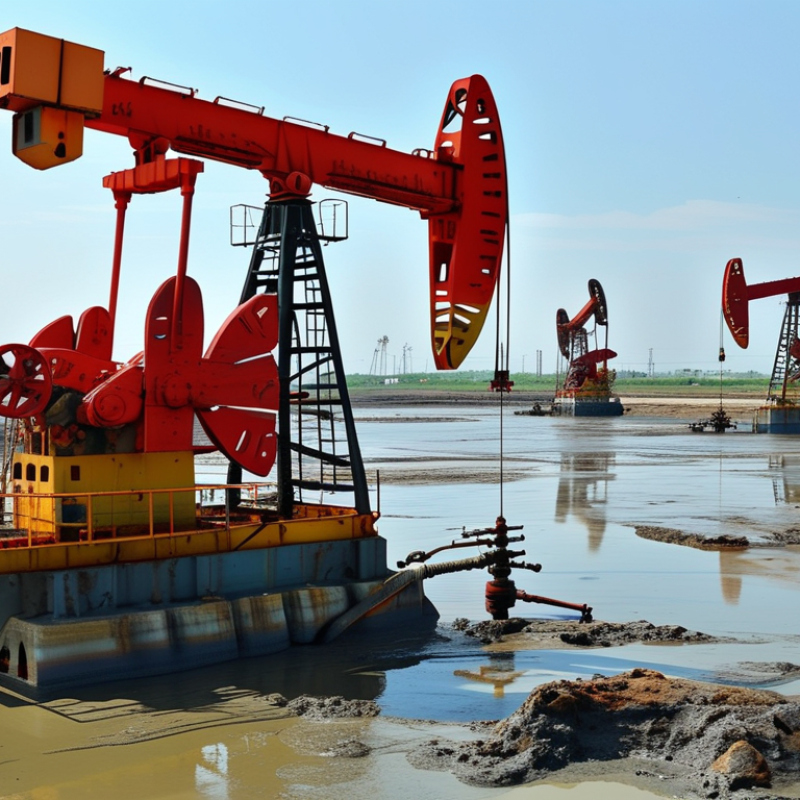
An oilfield mud pump is a high-pressure reciprocating pump used in drilling operations. It moves drilling fluid, commonly called mud, from surface tanks into the drill string. The fluid then travels through the bit and returns through the wellbore. This circulation cools the bit, carries rock cuttings upward, and helps control downhole pressure.
Most oilfield mud pumps use pistons or plungers inside replaceable fluid-end liners. Triplex and quintuplex designs are common because they provide strong flow with manageable pulsation. A reliable pump must handle abrasive solids, changing viscosity, and long operating hours. Its performance depends on more than horsepower. Liner condition, valve timing, suction quality, and pressure ratings matter equally. A pump can look powerful yet perform poorly with restricted suction. That mistake is easy to miss.
Tips: Check fluid-end parts for scoring, cracks, and unusual vibration. Keep suction lines short, sealed, and properly supported. Monitor pressure changes instead of relying only on sound. Match the pump to required flow, pressure, mud density, and drilling depth. Supplier documentation should include maintenance intervals, spare-part specifications, testing records, and service support. No selection is perfect. Actual field conditions may expose weaknesses that laboratory data does not show. Regular inspection remains essential, especially after sudden pressure spikes or extended high-load operation.
Top Oilfield Mud Pump Manufacturers and Suppliers?
How Oilfield Mud Pumps Work in Drilling Operations
An oilfield mud pump moves drilling fluid from surface tanks into the wellbore. The fluid cools the bit, carries rock cuttings, and supports well control. Most land rigs use triplex or quintuplex pumps. Their pistons draw mud through suction valves, then force it through discharge valves at high pressure. A pulsation dampener smooths the flow. It does not remove every pressure spike.
Pump performance depends on liner size, piston stroke, speed, and mud density. A larger liner delivers more volume, but it may reduce maximum pressure. Operators watch discharge pressure, strokes per minute, suction level, and vibration. A sudden pressure rise can signal a blocked nozzle or restricted annulus. A falling pressure reading may indicate a washout or valve problem. Small leaks matter.
The IEA’s Oil 2024 report projects global oil demand to reach 105.4 million barrels per day by 2030. That outlook keeps drilling efficiency under pressure. API Specification 7K provides requirements for drilling and well-servicing equipment, including critical pump-related safety expectations. Field reports and SPE technical papers repeatedly link stable circulation with better hole cleaning and fewer nonproductive hours. Still, pump data can mislead when sensors drift. Operators should compare readings with mud volume, pit trends, and maintenance records. Good practice is rarely perfect.
Oilfield mud pumps are positive-displacement pumps that circulate drilling fluid through the wellbore.
Their main types include duplex, triplex, and quintuplex designs.
Duplex pumps use two pistons and provide strong suction performance. Triplex pumps use three pistons and usually deliver smoother flow with lower vibration.
Quintuplex pumps add another piston for steadier discharge.
Fit matters.
Key specifications include fluid-end pressure, flow rate, horsepower, stroke length, strokes per minute, and liner diameter.
A pump rated at 7,500 psi may not maintain that pressure at its maximum flow. Engineers should review the complete performance curve, not one impressive number.
Liner sizes affect both output and pressure. Smaller liners can support higher pressure, while larger liners increase volume.
A 12-inch stroke and 120 strokes per minute create a different operating profile from a shorter, faster pump.
Reliable suppliers should provide certified test data, material details, spare-parts support, and clear maintenance procedures.
Inspect the fluid end, valves, pistons, and discharge dampener before purchase.
Field experience shows that seal wear often appears before major mechanical failure. That warning is easy to miss.
I would also question vague claims about “maximum pressure,” because real drilling conditions include abrasive solids, temperature changes, and fluctuating load.
Pump selection should match the rig’s power system, mud density, expected depth, and available maintenance skills. A technically suitable pump can still perform poorly when its liners, valves, or pulsation dampener are mismatched.
Top Oilfield Mud Pump Manufacturers and Suppliers?
Choosing an oilfield mud pump supplier requires more than comparing prices. Evaluate proven field experience, engineering depth, and production consistency. Ask for performance records from similar drilling conditions, including pressure, flow rate, fluid density, and operating hours. A reliable manufacturer should explain pump capacity, liner life, valve design, and expected maintenance intervals in clear language. Vague answers deserve caution.
Inspect quality controls before signing a purchase agreement. Check whether critical parts have material certificates, dimensional records, and traceable inspection reports. Confirm that pumps are tested under realistic pressure and flow conditions. Service support also matters. Ask about spare-parts availability, technician response times, installation guidance, and training for maintenance crews. A strong supplier does not disappear after delivery.
Tips: Request references from comparable drilling operations. Review warranty exclusions carefully. Compare total operating cost, not only the purchase price. Visit the manufacturing site if practical. Look at machining areas, test benches, storage conditions, and documentation systems. Small details can reveal larger weaknesses. However, no supplier is perfect. Even a well-organized factory may experience delays or inconsistent communication. Record these concerns, discuss corrective actions, and judge how openly the supplier responds. Reliability is demonstrated through evidence, not confident promises.
Top Global Oilfield Mud Pump Manufacturers and Suppliers
Global oilfield mud pump manufacturers and suppliers support drilling projects with high-pressure fluid systems. Their equipment circulates drilling mud through the wellbore, helping control pressure and carry cuttings upward. Experienced suppliers usually offer duplex or triplex pumps, replacement liners, valves, pistons, and pulsation dampeners. Selection should match flow rate, pressure, mud density, and operating temperature.
Reliable manufacturers provide tested designs, traceable materials, and documented quality procedures. They should explain pump performance under real drilling conditions, not only laboratory figures. Regional service matters too. A nearby technical team can reduce downtime when a valve fails at night. However, no supplier fits every field. I may trust a strong product less if spare parts arrive slowly.
Tips: Compare total operating cost, not purchase price alone. Check pressure ratings, maintenance intervals, spare-part availability, and technician response times. Request inspection records and current compliance certificates before signing. Ask for references from similar drilling environments. Small details matter.
A dependable supplier also supports commissioning, operator training, and preventive maintenance. Clear manuals should include torque values, lubrication points, and inspection schedules. Digital monitoring can reveal vibration, discharge pressure changes, or abnormal temperature early. Still, sensors need proper calibration. Poor data can create confident but incorrect decisions. Buyers should review warranty terms, exclusions, delivery conditions, and local support responsibilities in writing.
Oilfield mud pumps are commonly classified by the number of fluid-end cylinders. Duplex pumps use two cylinders, triplex pumps use three, and quintuplex pumps use five. Triplex and quintuplex designs are widely used in modern drilling systems because their multi-cylinder configuration supports smoother discharge flow and high-pressure drilling operations. The chart shows cylinder count only and does not represent company or brand market share.