Why Choose a Well Drilling Machine for Your Water Supply Needs?
In today's world, water is a precious resource. With increasing demand, the need for efficient water supply solutions has never been greater. One expert in the field, Dr. Emily Carter, a renowned hydrogeologist, emphasizes, "A reliable Well Drilling Machine can transform water accessibility." Her insight reflects the growing importance of technology in well drilling.
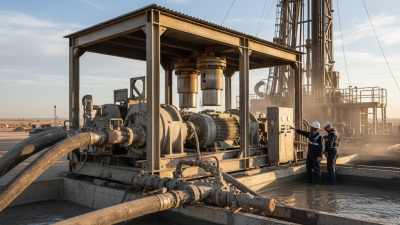
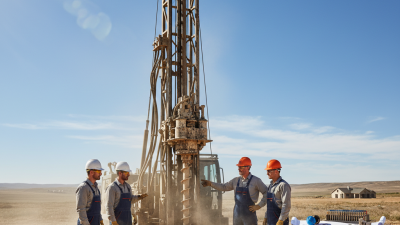
Investing in a high-quality Well Drilling Machine offers clear advantages. These machines enhance productivity and reduce drilling time. They are designed to reach deeper aquifers, ensuring a consistent water supply. However, selecting the right machine can be challenging. Not all machines suit every drilling site. Understanding geological conditions is crucial for success.
Choosing a Well Drilling Machine also comes with responsibilities. Operators must be trained and aware of safety protocols. While customers seek efficiency, mistakes can lead to costly errors. It's essential to weigh all factors before making a purchase. The right Well Drilling Machine not only meets immediate needs but also supports sustainable water management practices.
Advantages of Using a Well Drilling Machine for Water Supply
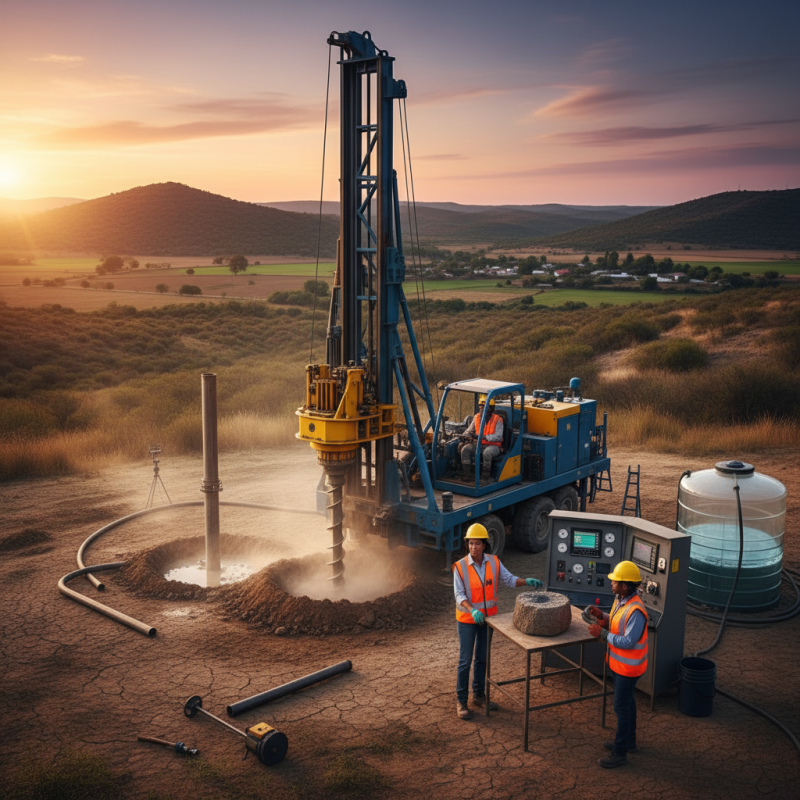
Choosing a well drilling machine for water supply offers several key advantages. A well drilling machine can efficiently reach deep aquifers, where water sources may be more plentiful. According to the U.S. Geological Survey, over 15 million households rely on private wells for water supply. This emphasizes the importance of reliable water sourcing technology.
One significant benefit of using a well drilling machine is the precision it provides. Modern machines can drill to exact depths, minimizing the risk of hitting dry zones. A report from the National Ground Water Association states that poorly placed wells can lead to 30% more drilling costs. Accurate drilling reduces waste and improves overall efficiency.
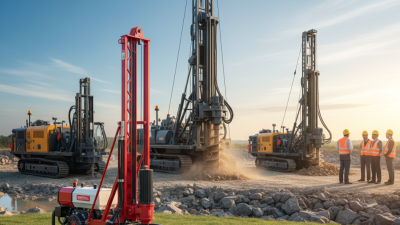
Moreover, well drilling machines can be operated in various terrains, from rocky landscapes to sandy soils. This versatility allows for water access in diverse locations. However, some challenges persist, such as the high initial costs. It's essential to weigh the long-term benefits against upfront investments. Proper maintenance is also a concern; without it, even the best machine can underperform. A reflective approach ensures that the advantages of well drilling tools outweigh their drawbacks.
Advantages of Using a Well Drilling Machine for Water Supply
Types of Well Drilling Machines and Their Applications
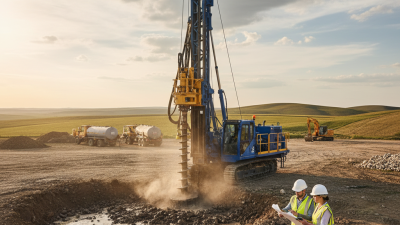
Well drilling machines are essential for accessing groundwater. Different types serve various purposes. The most common types include rotary, cable tool, and percussion drilling machines. Each type has distinct applications, depending on the soil and rock conditions.
Rotary drilling machines are widely used for their efficiency. They can penetrate hard rock quickly, making them suitable for commercial and agricultural projects. Data from the National Ground Water Association indicates that rotary drilling accounts for over 60% of well construction in many regions. However, these machines can be costly and require skilled operators, which can be a barrier for small-scale operations.
Cable tool rigs, on the other hand, are often chosen for their simplicity and lower operational costs. They excel in soft soil conditions but can struggle with harder formations. This makes them ideal for rural areas where water needs are critical but budgets are tight. In some cases, the slower drilling speed can lead to increased downtime. It’s essential to consider soil conditions, budget constraints, and expected water yield when selecting a well drilling machine. Each choice has trade-offs that affect project outcomes.
Factors to Consider When Choosing a Well Drilling Machine
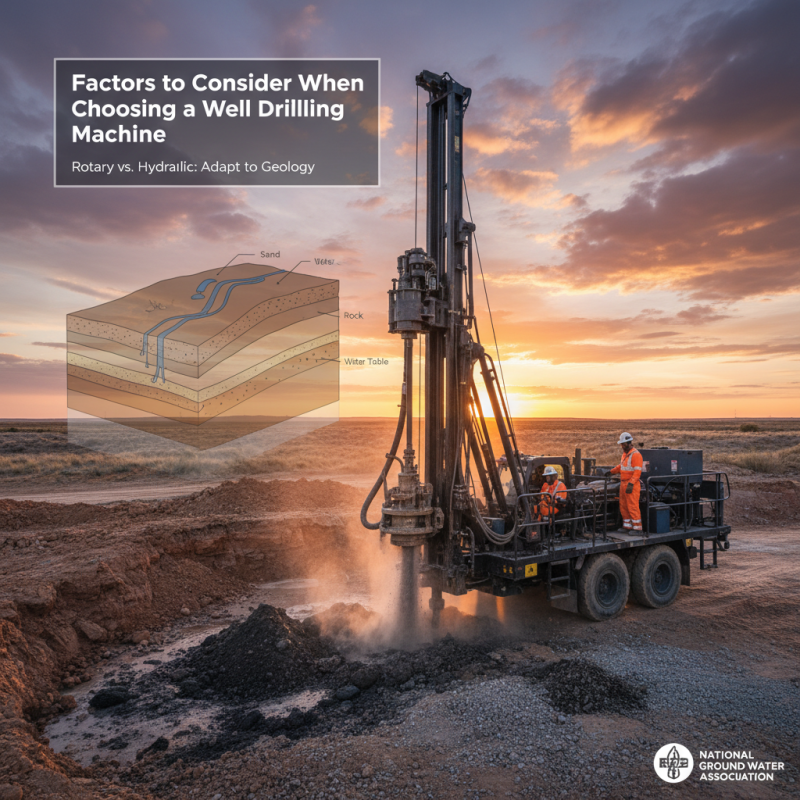
When selecting a well drilling machine, several critical factors come into play. The type of machine you need often depends on the geology of the area. Data from the National Ground Water Association shows that more than 75% of drilling projects encounter varied ground conditions. Different soil types require distinct drilling techniques. It's important to assess whether you need a rotary drill or a hydraulic one based on your local water table and soil composition.
Another vital consideration is the machine's capacity. Well drilling machines can range significantly in power, with some capable of drilling depths over 1,500 feet. Studies reveal that machines with higher torque are more efficient for deep wells. However, they may also raise costs in operation and maintenance. Balancing efficiency and budget is crucial for your water supply solutions.
Additionally, look into the machine's maintenance requirements. Reliable data indicates that poor maintenance can increase operational downtime by up to 30%. Choosing a machine with accessible parts and service options can lead to long-term benefits. It may seem trivial now, but reflecting on these factors could save considerable resources in the future.
Maintenance Tips for Ensuring Longevity of Well Drilling Machines
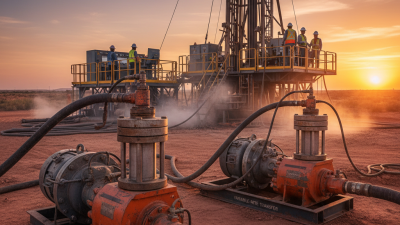
Well drilling machines are vital for sourcing clean water. To keep these machines running smoothly, proper maintenance is essential. Regular checks can avert costly breakdowns. Inspecting components frequently can help identify wear and tear early.
Lubrication is crucial. Ensure all moving parts receive adequate oil. Neglecting this can lead to rust and friction. Cleaning the machine after each use removes dirt and debris, preventing long-term damage. It’s easy to overlook these steps, but they significantly extend the machine’s life.
Keep an eye on hydraulic fluids too. Low levels can lead to system failure. Replacing worn hoses can save you time and money. Consistently reviewing these simple practices will keep your well drilling machine in prime condition.
Environmental Impact of Well Drilling and Sustainable Practices
Well drilling has significant environmental impacts. The extraction process can disturb local ecosystems. It may lead to soil erosion and habitat destruction. Careful planning is essential to minimize these effects. Using specialized equipment can help protect surrounding wildlife areas. This approach ensures that the drilling process remains safe and responsible.
Sustainable practices are becoming crucial in well drilling. Incorporating eco-friendly methods can reduce water waste. Rainwater harvesting is one technique that complements well systems. It helps maintain water levels and supports local agriculture. Educating communities about sustainable water use is vital. People must understand the long-term benefits of these practices.
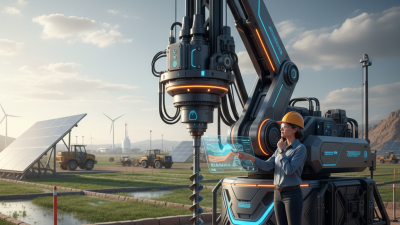
Innovative technologies can enhance these efforts. However, they do require investment and training. It's not always feasible for every community. Local regulations should also support sustainable drilling. Balancing water supply needs with environmental health is challenging. Ongoing assessment and modification of practices can lead to better outcomes.
Why Choose a Well Drilling Machine for Your Water Supply Needs? - Environmental Impact of Well Drilling and Sustainable Practices
| Aspect |
Environmental Impact |
Sustainable Practices |
| Water Source |
Depletion of Aquifers |
Recharge Management |
| Drilling Process |
Soil Disruption |
Minimize Surface Disturbance |
| Chemical Use |
Contamination Risk |
Biodegradable Fluids |
| Energy Consumption |
Fossil Fuels Usage |
Renewable Energy Sources |
| Long-Term Impact |
Ecosystem Damage |
Habitat Restoration |