How to Choose the Best Oilfield Mud Pump for Your Needs?
Choosing the right Oilfield Mud Pump is crucial for efficient drilling operations. This decision impacts both productivity and cost-effectiveness. Many factors influence your choice, including pump capacity, pressure ratings, and maintenance needs.
Oilfield Mud Pumps come in various models. Understanding these options is essential for making an informed decision. A reliable pump will ensure safe and effective drilling. Look for pumps with a proven track record in performance and durability.
Investing time in research is vital. Analyze different manufacturers and their technologies. Read customer reviews and case studies. These insights provide a clearer picture of what to expect. Remember, a poor pump choice can lead to costly downtime and operational challenges.
Understanding the Basics of Oilfield Mud Pumps
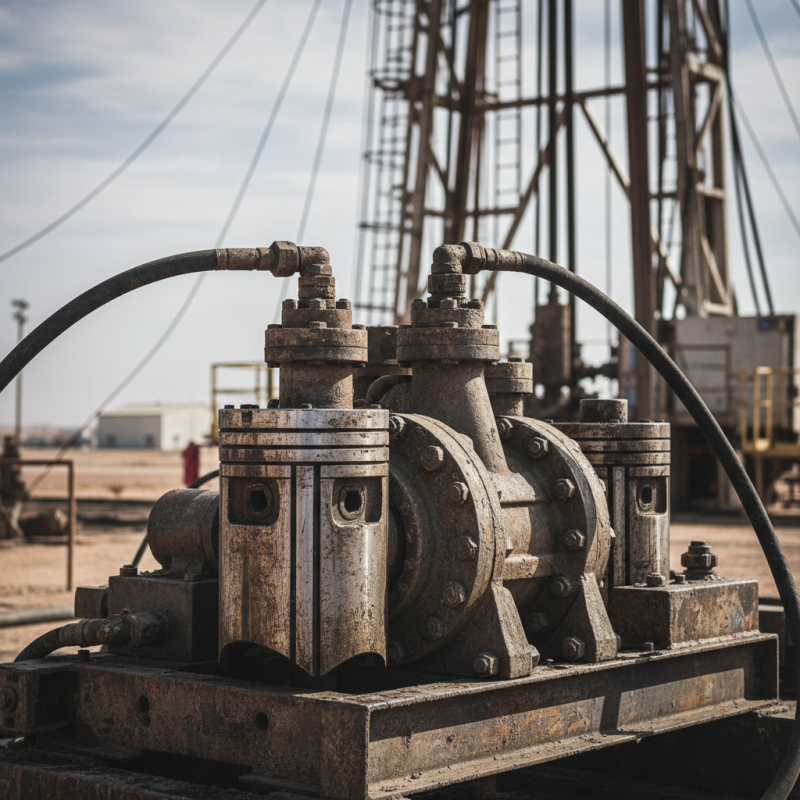
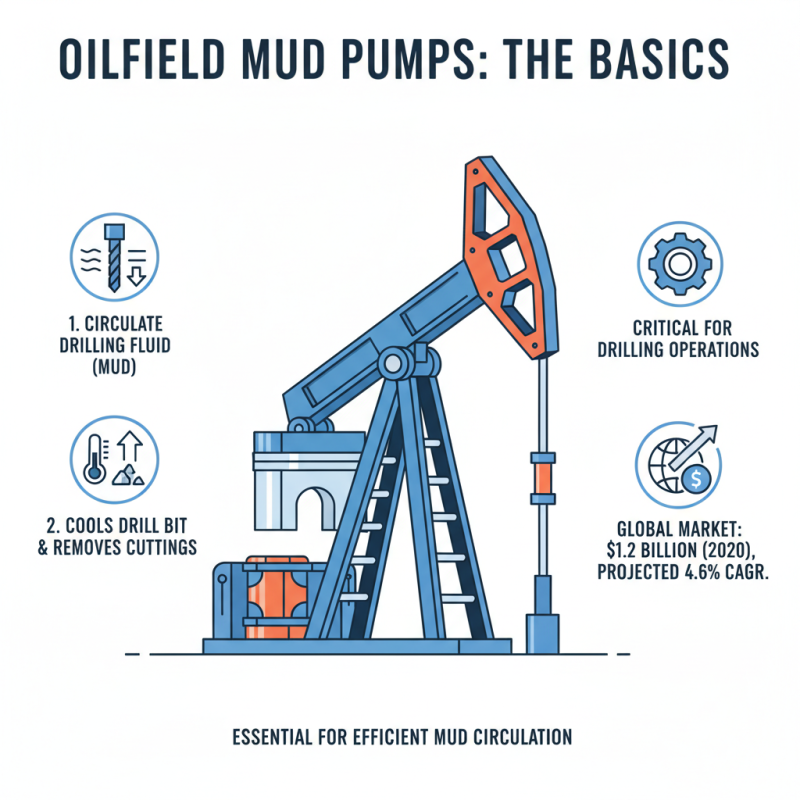
Oilfield mud pumps play a critical role in drilling operations. They circulate drilling fluid, or mud, which cools the drill bit and removes cuttings. Understanding the basics of mud pumps is essential for selecting the right one. The global oilfield mud pump market was valued at approximately $1.2 billion in 2020 and is projected to grow at a CAGR of 4.6% over the next five years. This growth indicates an increased demand for efficient mud circulation systems.
Mud pumps can be categorized mainly into triplex and duplex types. Triplex pumps are more commonly used due to their efficiency and durability. They operate via three cylinders, providing a continuous flow of mud. Conversely, duplex pumps utilize two cylinders and tend to be lighter. Each type has its specific applications. Depending on the drilling depth and type of well, it is crucial to assess the pumping capacity and pressure requirements. For instance, deeper wells require pumps that can handle high pressure and viscosity.
Choosing the right mud pump involves more than just surface-level characteristics. Factors like reliability and maintenance costs also come into play. Regular maintenance can extend the lifespan of a mud pump, but inadequate servicing can lead to failures. Reports indicate that around 30% of downtime in drilling operations is caused by equipment failure. This emphasizes the importance of understanding the operational requirements of different mud pumps to mitigate risks.
Types of Oilfield Mud Pumps and Their Applications
When selecting an oilfield mud pump, understanding the types available is crucial. There are mainly three categories: positive displacement pumps, centrifugal pumps, and hydraulic pumps. Each serves distinct needs in drilling operations, influencing efficiency and cost. According to the American Petroleum Institute, positive displacement pumps are favored for high-viscosity mud applications, offering reliable performance where thick fluids are involved.
Positive displacement pumps excel in delivering consistent flow rates. They are often used in challenging environments, like offshore drilling. In contrast, centrifugal pumps are suitable for lower viscosity fluids. They provide higher flow rates at lower pressures, making them ideal for specific applications. However, their performance deteriorates with increasing mud density. This limitation requires careful assessment to avoid inefficiencies in operations.
Hydraulic pumps come into play where high pressure is essential. They are designed for high-speed applications, crucial during deep drilling projects. However, hydraulic systems can be complex, needing experienced operators to manage them effectively. Understanding the specific demands of your drilling project will greatly impact your choice of pump.
Oilfield Mud Pump Types and Applications
Key Specifications to Consider When Selecting a Mud Pump
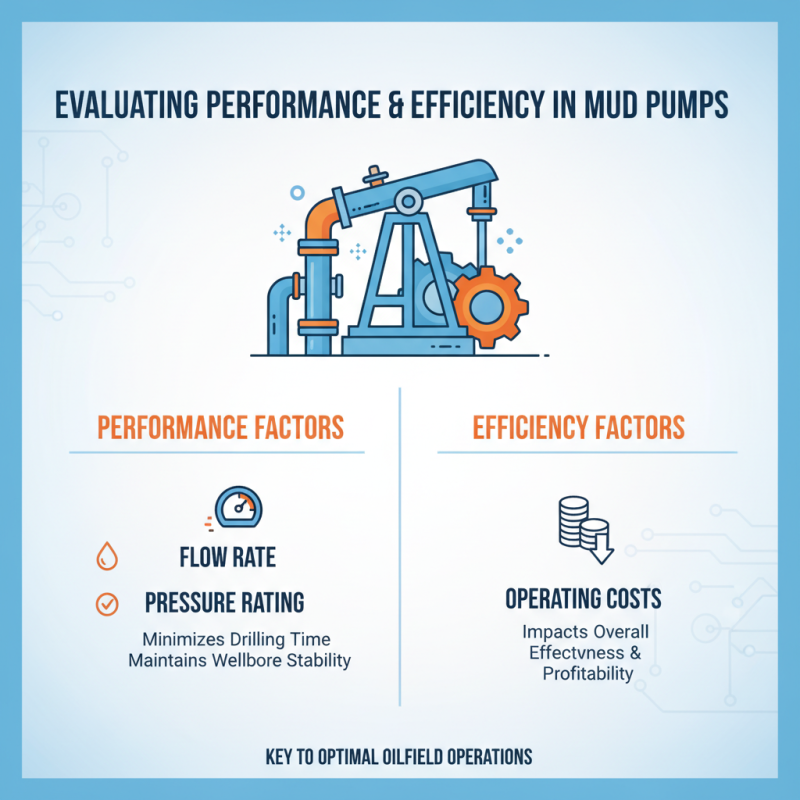
When selecting a mud pump for oilfield operations, key specifications are vital. Look for flow rate, pressure capacity, and efficiency. For instance, a report from the Society of Petroleum Engineers indicates that effective mud pumps can achieve flow rates between 500 to 2000 gallons per minute (GPM). Pressure ratings should typically range from 500 to 5000 psi.
Tips: Always consider the viscosity of the drilling fluids involved. High-viscosity fluids might require pumps with higher pressure ratings. You may find that not all pumps are suited for every drilling environment.
Compatibility with drilling equipment is another crucial aspect. Some mud pumps may not align well with specific drilling rigs, leading to inefficiencies. A recent study highlighted that mismatched equipment can result in up to a 30% increase in operational costs. Evaluating your specific needs will help avoid this pitfall.
Tips: Review the maintenance requirements of different models. Pumps with lower maintenance needs can save significant downtime in the long run. Every detail matters when optimizing for performance and budget.
Maintenance and Longevity Tips for Oilfield Mud Pumps
Maintaining oilfield mud pumps is crucial for prolonged performance. A well-maintained pump can greatly reduce downtime. According to industry reports, regular maintenance can improve pump efficiency by up to 30%. Implementing a routine inspection schedule helps identify wear and tear before they escalate. Frequent checks on hoses and seals can prevent significant leaks that can lead to costly repairs.
Lubrication is another critical aspect. Proper lubrication ensures that key components operate smoothly. It is advisable to use the recommended lubricants in specific quantities. Over-lubricating can cause more harm than good, leading to slippage or seal degradation. Oil analysis can also provide insights into the condition of the pump. Monitoring fluid levels and condition can prevent premature failures, ultimately extending the pump’s life.
Customer feedback indicates that even minor oversights in maintenance can lead to major problems. For example, neglecting to replace worn-out parts can lead to catastrophic failures. Understanding the specific operating conditions of your pump is essential. This knowledge informs better maintenance practices, tailored to each unique situation. Ultimately, investing in maintenance pays off through reduced operational risks and enhanced reliability.