2026 Essential Rig Accessories for Efficient Operations?
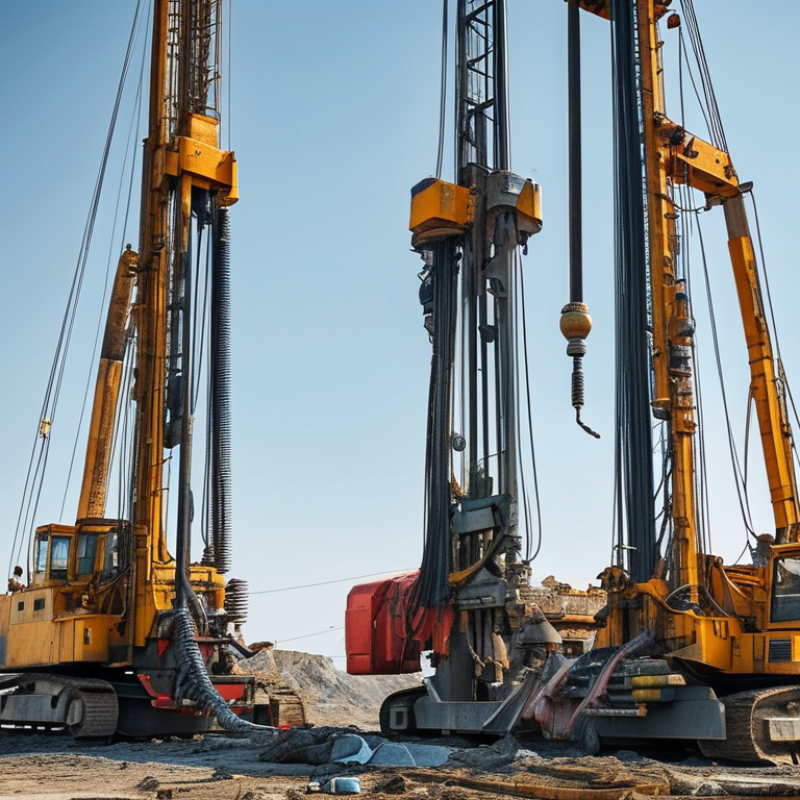
In the world of drilling, rig accessories play a crucial role. These tools enhance operational efficiency and safety. Choosing the right rig accessories can be the difference between success and failure.
Many operators overlook the importance of quality accessories. They may underestimate their impact on daily operations. A sturdy lifting system or an effective mud pump can prevent costly downtime. Attention to detail in selecting the proper gear is essential.
The right rig accessories also ensure compliance with safety standards. This minimizes risks in challenging environments. Each accessory needs to be reliable and suited to specific tasks. Investing in robust accessories is not just wise—it is necessary for long-term success.
Essential Rig Accessories Overview
When it comes to rig operations, the right accessories can make a remarkable difference. Essential rig accessories are designed to enhance efficiency, safety, and productivity on site. Common items include safety harnesses, which ensure worker safety at great heights. Choosing durable materials for these harnesses is crucial for long-term reliability.
Another vital accessory is the tool organizer. This keeps tools within reach, minimizing downtime. A cluttered work environment can lead to accidents. Regularly reassessing the organization can improve workflow. Furthermore, lighting plays an essential role. Effective illumination on a rig site boosts visibility, especially during night operations. Investing in high-quality lighting solutions can change the dynamics of work.
While many accessories enhance operation, reflection on their effectiveness is necessary. Sometimes, accessories can contribute to inefficiency if not properly utilized. Training employees on proper handling of equipment is equally important. Assessing the performance of these accessories can reveal areas for improvement. Regular feedback from workers can lead to optimizing gear choices for better outcomes.
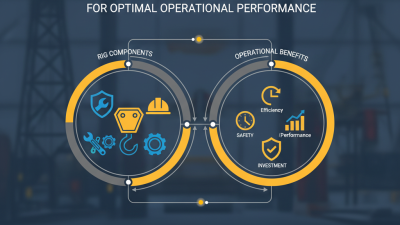
2026 Essential Rig Accessories Overview
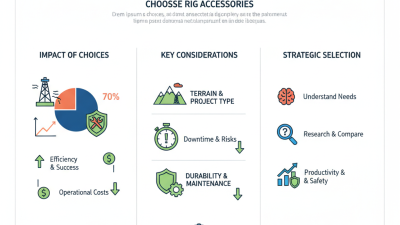
Key Features of Efficient Rig Accessories
Efficient rig operations are heavily reliant on essential accessories. These accessories can streamline workflows and enhance safety. Key features to look for include durability, portability, and multi-functionality. Quality materials ensure longevity, which is critical in harsh environments. Portable equipment allows easy relocation on site, reducing downtime. Multi-functional tools minimize the need for multiple devices, simplifying operations.
Tips for selection: consider weight distribution when choosing your accessories. Lightweight options can help prevent strain during handling. Look for products that offer easy maintenance features. Accessories that require less upkeep can keep operations running smoothly. Always pay attention to user feedback. Real-world experiences provide insight that specifications may not reveal.
Another important aspect is compatibility. Ensure that all essential accessories fit well with your existing rig setup. Mismatches can lead to inefficiencies and potential safety hazards. Remember, efficient operations are not solely about the accessories themselves but how they integrate into the entire system. Reflect on past experiences with your gear. Identifying what worked and what didn’t can guide future choices.
Types of Accessories for Various Operations
When planning for efficient operations in rig environments, selecting the right accessories is essential. Different operations require specialized tools and equipment. For drilling activities, mud pumps, rig mats, and safety barriers ensure stability and safety. Proper maintenance of these accessories can extend their lifespan and improve performance. Including logistical tools like toolboxes enhances organization and workflow efficiency.
Communication gear plays a crucial role in operations. Headsets and radios facilitate seamless coordination among team members. Miscommunication can lead to delays and safety issues. Therefore, investing in quality communication accessories is vital. Additionally, lighting systems enhance visibility and safety during night operations.
Not every accessory fits every situation. Some rigs might find specific tools redundant or ineffective. Regular evaluations can help in identifying these misfits. It is essential to adapt the accessory list based on feedback and changing operational needs. Continually reflecting on what works and what doesn’t can lead to more efficient operations.
2026 Essential Rig Accessories for Efficient Operations
| Accessory Type |
Purpose |
Preferred Materials |
Typical Applications |
| Pipe Wrenches |
Tightening and loosening pipes |
Chrome Vanadium Steel |
Oil and gas pipelines |
| Cable Slings |
Lifting heavy loads |
Steel Wire |
Construction and rigging |
| Drilling Jars |
Free stuck tools in the hole |
High-Strength Steel |
Well drilling |
| Mud Pumps |
Circulating drilling fluid |
Aluminum or Steel |
Drill operations |
| Safety Harnesses |
Personal fall protection |
Nylon or Polyester |
Rope access and height safety |
Maintenance and Care for Rig Accessories
Maintaining rig accessories is crucial for efficient operations. Regular inspection and cleaning help extend their lifespan. Dust and debris can accumulate, leading to potential failures. A simple wipe-down with a suitable cleaner can work wonders. Additionally, focusing on areas prone to wear and tear is vital. Regularly tighten bolts and screws to ensure everything remains secure.
Proper storage can also prevent damage. Keeping accessories in designated areas minimizes the risk of loss or injury. Avoid stacking or improperly placing items, as this can lead to unnecessary wear. It's essential to train staff on these practices. Knowledgeable operators can spot issues early. This proactive approach can save time and resources.
Reflect on past experiences with maintenance failures. Learn from these mistakes to improve future care. Every incident brings valuable lessons. By fostering a culture of responsibility and awareness, teams can ensure accessories remain in top condition. This dedication will lead to smoother operations and fewer interruptions.
Future Trends in Rig Accessory Technology
The landscape of rig accessory technology is evolving rapidly. Recent studies indicate a growing demand for automation in rig operations. By 2026, it is projected that about 40% of rigs may incorporate advanced automated systems. These improvements can significantly enhance efficiency, reduce safety hazards, and minimize human error.
One noteworthy trend is the integration of IoT sensors. These sensors provide real-time data on equipment performance. This information can lead to timely maintenance decisions, reducing downtime by up to 30%. However, there are concerns about cybersecurity. As rigs become more connected, vulnerabilities increase. Operators must prioritize robust security measures.
Sustainability is another crucial focus. Reports suggest that by 2026, eco-friendly accessories will be in higher demand. Equipment that reduces emissions or improves energy efficiency could revolutionize operations. Yet, the initial costs of transitioning to greener technology can be high. Operators need to assess if the long-term benefits outweigh these upfront investments. The journey toward innovative rig technology requires adaptability and careful consideration.