Best Rig Accessories for Enhanced Efficiency and Safety?
In the realm of rig operations, the right accessories can significantly boost efficiency and safety. John Smith, a veteran in the field with over 25 years of experience, emphasizes, “Quality rig accessories are not just options; they are necessities.” This statement reflects the crucial role that the right tools play in modern rig environments.
Rig accessories encompass a wide range of tools. From safety harnesses to advanced monitoring systems, each item can impact performance. For instance, enhanced safety gear can prevent accidents. Quality communication devices can facilitate quick response in emergencies. Choosing subpar options, however, may lead to regrettable outcomes. Operators must assess their needs carefully to avoid oversights.
Moreover, the landscape of rig accessories is constantly evolving. New technologies emerge regularly. It can be challenging to keep up. Operators should learn and adapt. Being informed ensures safety and efficiency in all operations. Striking the right balance between cost and quality requires thoughtful consideration. In this industry, the stakes are high, and preparation is key.
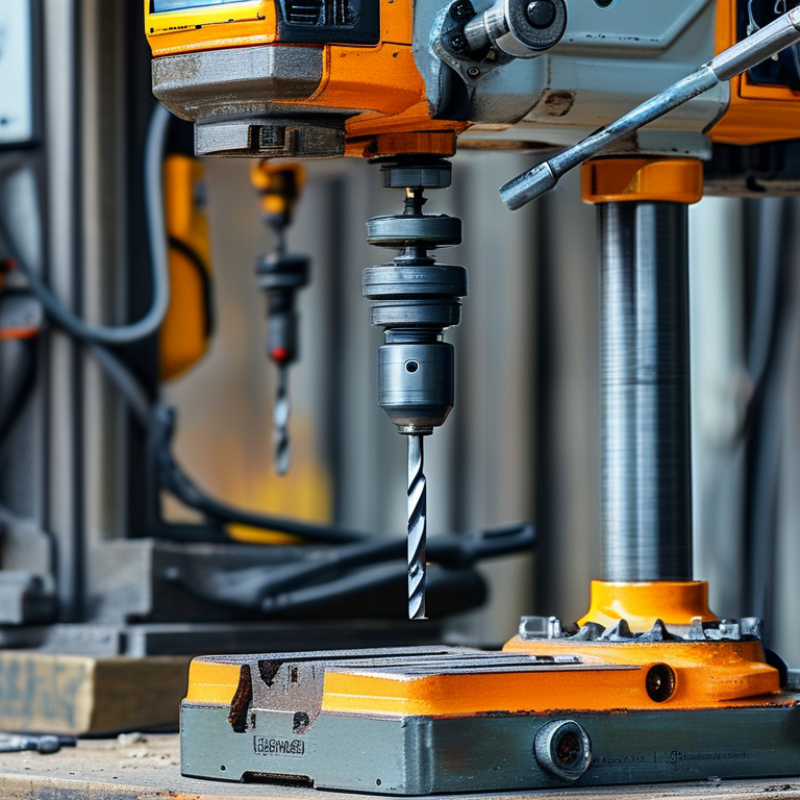
Essential Rig Accessories for Improved Efficiency and Safety
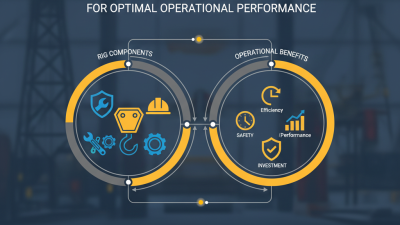
In the rigging industry, safety and efficiency are paramount. Essential accessories play a crucial role in enhancing both aspects. Recent studies show that using proper rig accessories can reduce workplace accidents by up to 40%. Choosing the right equipment can drastically improve operational effectiveness.
For instance, safety harnesses, lanyards, and fall arrest systems are vital for protecting workers at height. Reports from industry experts indicate that rigorous safety training combined with high-quality gear reduces injury rates significantly. Regular inspections and proper usage of these accessories are often overlooked. However, studies emphasize that even minor lapses can lead to severe accidents.
Moreover, the integration of advanced technology in rig accessories is on the rise. Smart sensors and monitoring devices provide real-time data, enhancing decision-making on-site. A report from a leading safety organization reveals that organizations using such technology have experienced a 30% increase in productivity. While the benefits are clear, maintaining up-to-date training for crew members remains a challenge. Ensuring everyone understands the technology is as important as the equipment itself.
Key Features to Look for in Rig Accessories
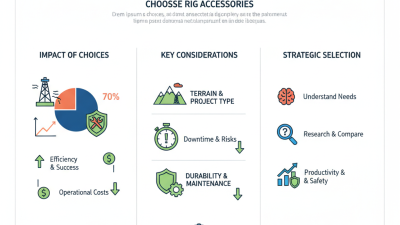
When selecting rig accessories, safety and efficiency should always be your top priorities. Look for accessories designed with durable materials. This ensures they can endure harsh conditions. Effective tools should also have easy-to-use features. High visibility colors can enhance safety on-site.
Consider accessories with clear instructions. This helps everyone understand their use quickly. Lightweight options make it easier for workers to handle equipment efficiently. Check for compatibility with existing rig systems as well. Not every accessory fits all machinery.
Pay attention to maintenance requirements. Some accessories may need regular inspections, while others are low-maintenance. This balance is crucial for ongoing operations. Additionally, think about the storage options available. Proper storage can prevent damage and prolong the life of the accessories. Always keep in mind the feedback from your team on usability; it's valuable for future choices.
Top Accessories for Enhancing Safety on the Job Site
When it comes to safety on the job site, selecting the right accessories is crucial. Personal protective equipment, such as helmets and gloves, plays a vital role. These items must fit correctly. Ill-fitting gear can lead to accidents. Consider accessories that enhance visibility, like reflective vests or helmets with lights. This simple addition can significantly reduce risks in low-light conditions.
Another essential aspect is the implementation of safety barriers. These barriers can help prevent unauthorized access to hazardous areas. Using proper signage is equally important. Clear, visible signs can alert workers about potential dangers. Additionally, communication devices can keep teams connected, especially in noisy environments. Immediate communication may prevent emergencies.
However, even the best accessories have limitations. Regular training is essential to ensure all team members know how to use safety gear correctly. Workers often overlook small details that can enhance safety. Frequent reviews of equipment condition can prevent malfunctions. There’s always room for improvement in safety practices, and reflection is key.
Innovative Tools for Streamlining Rig Operations
In the world of rig operations, the efficiency and safety depend heavily on the tools at hand. Innovative accessories can streamline various processes, making them faster and safer. For instance, automated monitoring systems can track equipment performance in real-time. These systems reduce the risk of failures and enhance productivity. Integrating sensors that send alerts can prevent accidents before they happen. This proactive approach transforms how teams manage rig environments.
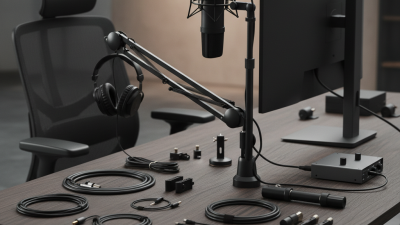
Communication tools are also essential. Clear lines of communication can support quick decision-making. When teams use headsets with noise-canceling technology, clarity improves in chaotic environments. This can lead to more effective responses to issues as they arise. Training staff on these tools is vital, yet many overlook this step. It is crucial to encourage team members to share their experiences for better utilization of these innovations.
However, it's not all perfect. Some tools may present challenges, such as integration issues with existing systems. Operators often face a steep learning curve with new technology. Continuous feedback can help refine these tools and address concerns. Teams should encourage open dialogue about what works and what doesn't as they adapt to new accessories. This approach not only enhances operations but fosters a culture of safety and efficiency.
Maintenance Tips for Rig Accessories to Ensure Longevity
Maintaining rig accessories is crucial for safety and efficiency. Neglect in this area can lead to costly downtime or accidents. According to a report from the International Association of Drilling Contractors, improper maintenance contributes to 30% of rig accidents. Regular inspections can dramatically reduce risks. Ensuring that all equipment is in optimal condition is non-negotiable.
Create a maintenance schedule for routine checks. Focus on key components like hoisting systems, safety gear, and connectors. The American Petroleum Institute suggests that a proactive maintenance approach can increase equipment lifespan by up to 50%. Keeping detailed records of maintenance activities is also recommended. This not only helps track performance but also assists in planning future upgrades.
Problems often arise when maintenance is overlooked. Accessories can degrade faster than anticipated. Delaying repairs can lead to unexpected failures. In a recent safety survey, 25% of respondents reported incidents due to overlooked maintenance tasks. Rig operators should remember that safety is a continuous process. Investing time in regular maintenance is not just wise; it's essential.