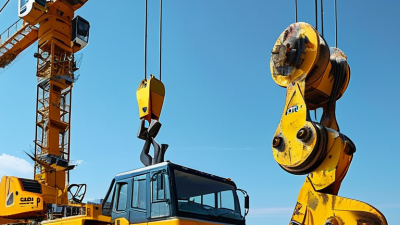
How to Choose the Right Crown Blocks for Your Projects?
In the world of drilling and construction, choosing the right Crown Blocks is crucial. Industry expert Dr. Emily Carter states, “A well-selected Crown Block can enhance efficiency and safety on the job site.” As projects vary in scale and complexity, so too do the requirements for Crown Blocks. The report from the American Petroleum Institute reveals that improper equipment can lead to a 30% decrease in operational efficiency.
Crown Blocks are complex systems that must handle significant loads. They comprise multiple components that work together to distribute weight evenly and minimize wear. Each project demands careful analysis to select the correct type and size of Crown Blocks. Failing to do so can result in costly downtime.
While many tend to overlook the specifics, the details hold immense importance. The right choice can lead to smoother operations, whereas the wrong choice can present serious hazards. Reflecting on previous projects often reveals missed opportunities for improvement. Investing time in this decision can make all the difference in achieving project success.

Understanding Crown Blocks: Definition and Functionality
Crown blocks are essential components in hoisting systems, particularly in drilling operations. They guide and support the drill line. Understanding their functionality is vital for efficient project execution. A crown block typically consists of sheaves and a frame. It manages heavy loads with precision, ensuring smooth operation during drilling. This is crucial for safety and effectiveness in various excavation projects.
Choosing the right crown block can be confusing. One must consider load capacity, sheave diameter, and material. These factors impact both performance and longevity. Not all crown blocks are created equal. Some may wear out faster than expected. This is where user feedback and expert advice come into play. Learning from past experiences can refine selections. A careful evaluation of specifications can help avoid costly mistakes.
In addition to functionality, installation plays a significant role. Improper fitting can lead to inefficient operations. Availability of maintenance services is another factor to weigh. Expecting flawless performance from equipment without regular check-ups can lead to disappointment. Reflecting on these aspects can enhance decision-making processes in project management. Recognizing shortcomings helps in selecting the most reliable crown blocks for your needs.
How to Choose the Right Crown Blocks for Your Projects?
| Crown Block Type |
Load Capacity (tons) |
Dimensions (inches) |
Material |
Applications |
| Single Sheave Crown Block |
25 |
12 x 12 |
Steel |
Oil & Gas drilling |
| Double Sheave Crown Block |
50 |
18 x 18 |
Aluminum |
Construction |
| Triple Sheave Crown Block |
75 |
24 x 24 |
Forged Steel |
Mining |
| Lightweight Crown Block |
10 |
10 x 10 |
Composite |
Utility |
Types of Crown Blocks Suitable for Different Projects
When selecting the right crown block for your construction projects, understanding the types available is crucial. Crown blocks are essential in rigging systems. They assist in lifting and lowering loads efficiently. Each type serves different purposes, depending on the project's demands.
For lighter loads and smaller operations, lightweight crown blocks are suitable. They are easy to handle and install. However, they lack the strength for heavy-duty applications. On the other hand, heavy-duty crown blocks are designed for substantial weights. These blocks provide the necessary durability and safety. Yet, they can be cumbersome, requiring more robust rigging systems for support.
Additionally, consider the environment where the blocks will be used. Some blocks are more resistant to corrosion and can withstand harsh conditions. Others may perform well in controlled settings but fall short outdoors. Be mindful of these factors when making your selection. Your choice should align with the specific requirements of your project. Each type has its strengths and weaknesses, demanding careful consideration.
Factors to Consider When Selecting Crown Blocks
Choosing the right crown blocks for your projects requires careful consideration. The size and load capacity are crucial factors. Ensure the blocks can support the weight of your rigging setup. This helps prevent accidents and equipment damage.
Material is another important aspect. Crown blocks can be made from various materials, such as steel or aluminum. Steel offers durability, while aluminum is lighter and easier to handle. Weigh the pros and cons of each. Think about the specific conditions under which the blocks will be used. Environmental factors can affect material performance, too.
In addition, consider the design of the crown block. Look for features that enhance safety and efficiency. Some designs allow for easier wire rope alignment and maintenance. Pay attention to the block’s efficiency rating. A higher rating may result in reduced wear and tear on your equipment. Reflect on your project needs and operational context. Each detail can significantly impact overall performance.
Materials and Construction Quality in Crown Blocks
Choosing the right crown blocks for your project starts with understanding materials. Steel is a common choice due to its durability and strength. However, not all steel is equal. Some versions can corrode over time, which reduces lifespan. Always inspect the coating and surface finish. Over time, poor material choices can lead to unnecessary replacements.
Construction quality is equally important. It’s not just about materials; craftsmanship matters too. Poorly constructed blocks can malfunction during critical tasks. Look for clear signs of precision in joinery and welding. Also, double-check tolerances and symmetry. These aspects can significantly impact performance.
When selecting crown blocks, assess your specific needs. Consider the environmental factors they'll face. High temperatures or extreme corrosion may demand specialized materials. It’s vital to balance cost with quality. Sometimes, opting for lower-quality materials can lead to higher expenses down the line. A thoughtful selection process is crucial for project success.
Material Quality in Crown Blocks for Construction Projects
Installation and Maintenance Tips for Crown Blocks
When selecting crown blocks for your projects, proper
installation and maintenance are crucial. Crown blocks play a key role in drilling operations,
and their functionality directly impacts efficiency. Regular checks can prevent unexpected
downtimes. According to industry reports, 15-20%
of drilling downtime results from equipment failures. This emphasizes the need for diligent maintenance.
One tip for maintaining crown blocks is to regularly inspect the sheaves and bearings.
Look for signs of wear, such as unusual noise or vibration. These can indicate an
underlying issue that needs addressing. Monitoring the lubrication levels is also essential.
Inadequate lubrication
leads to increased friction, which can shorten the lifespan of these components.
Another consideration is proper installation. Misalignment during installation can cause
uneven wear. Always refer to the manufacturer's guidelines and ensure correct positioning.
Visual inspections after installation are important. According to a recent survey, only
30% of operators perform post-installation
checks, which can result in costly mistakes later. Implementing a
consistent routine in both installation and maintenance will
enhance operational reliability and performance.