China Best Crown Blocks for Efficient Crane Operations?
In the rapidly evolving construction industry, the choice of equipment significantly impacts operational efficiency. Crown blocks play a crucial role in crane operations, acting as pivotal components in the lifting process. According to a 2022 market analysis by ResearchAndMarkets, the global crane market is projected to reach $37 billion by 2026, highlighting the increasing demand for reliable lifting solutions.
Crown blocks enhance a crane's operational capabilities by reducing friction and optimizing load distribution. When properly selected and installed, they can improve safety and streamline workflows. However, not all crown blocks meet the rigorous standards required for heavy-duty operations. Experts recommend evaluating products based on material quality and design efficiency. In a sector where safety is paramount, these considerations can significantly influence equipment performance.
Despite advancements, some operators may overlook the importance of quality crown blocks, leading to inefficiencies or even accidents. A 2023 safety report from the International Crane and Rigging Association emphasized that improper equipment can increase risk levels substantially. With proper research and selection, crane operations can achieve enhanced productivity and safety, driving the construction industry forward.
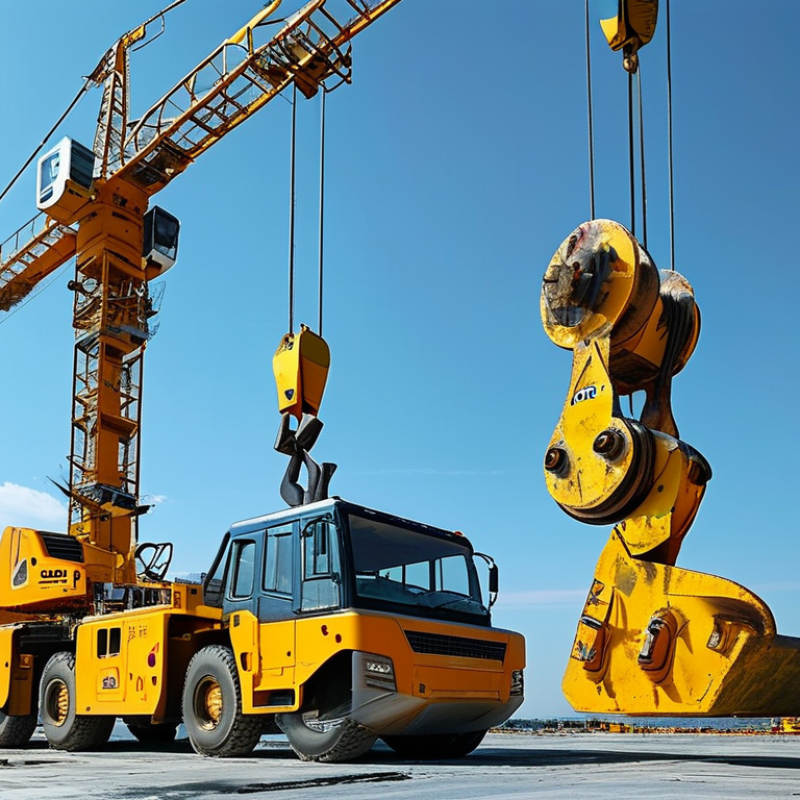
Understanding Crown Blocks and Their Role in Crane Operations
Crown blocks are critical components in crane operations. They consist of a system of sheaves, which guide the hoisting rope. Effective use of crown blocks can significantly enhance efficiency. According to industry studies, properly designed crown blocks can improve load lifting speeds by up to 30%. This can lead to decreased operational time and increased productivity on construction sites.
The configuration of crown blocks plays a vital role in load distribution. Proper alignment prevents uneven wear on machinery and reduces maintenance costs. Research has shown that cranes equipped with advanced crown blocks can experience a reduction in mechanical failures by approximately 20%. However, many operators overlook this aspect, leading to potential safety risks and higher long-term costs.
Operators must regularly evaluate their crown block systems. A neglected crown block can lead to catastrophic failures. Small inconsistencies, such as wear or misalignment, can escalate into major issues. This reality underscores the importance of routine inspections and timely upgrades. By investing in high-quality crown blocks and conducting regular checks, crane operations can achieve optimal performance and safety.
Factors Influencing the Efficiency of Crown Blocks in Cranes
Efficient crane operations rely heavily on the quality of crown blocks. These blocks are pivotal in managing weight and ensuring safety. According to industry reports, nearly 30% of crane accidents stem from faulty lifting equipment. The design and material of crown blocks significantly impact their performance and longevity.
Several factors influence the efficiency of crown blocks. One major factor is the load capacity. Crown blocks with higher load capacities perform better under stress. Another factor is the sheave design. Properly engineered sheaves can reduce friction. This helps in smooth lifting operations. The choice of materials also matters; steel blocks generally outperform those made from lighter composites.
Regular maintenance is crucial. A report from the Association of Construction Safety reveals that 15% of cranes do not receive adequate inspections. This can lead to decreased performance over time. Operators should be trained to identify wear and tear. This proactive approach is vital for enhancing the efficiency of crane operations, ultimately leading to safer job sites.
Factors Influencing the Efficiency of Crown Blocks in Cranes
Top Manufacturers of Crown Blocks in China: A Comparative Overview
Crown blocks play a crucial role in crane operations, influencing lifting efficiency and safety. In China, reliable manufacturers focus on quality and innovation. According to industry reports, the crown block market has grown by 6% annually, driven by increasing construction projects. These blocks utilize advanced materials, ensuring durability and reduced weight.
Comparative analysis of top manufacturers reveals a wide range of designs. Some favor adjustable configurations for better adaptability. Reports indicate that companies investing in R&D see a 15% improvement in operational efficiency. However, challenges remain. Not all manufacturers comply with international standards, which can lead to safety concerns. Users must verify certifications before purchasing.
In practice, selecting the right crown block requires careful consideration. Specifications such as load capacity and material type significantly affect performance. Without thorough research, operators may encounter issues like premature wear or failure. Additionally, regional differences in manufacturing quality can complicate procurement decisions. Understanding these factors is essential for optimizing crane operations.
Technological Advances in Crown Block Design for Improved Performance
The evolution of crane operation technology is evident in crown block design. Recent advances have streamlined the lifting process. Enhanced materials have made these blocks lighter yet stronger. This change assists in reducing the overall weight of crane systems while maintaining safety. Improved designs also focus on better load distribution, which minimizes wear during operations.
However, challenges remain in implementing these new designs across various environments. Different working conditions can affect performance expectations. While advancements are encouraging, the transition needs thorough evaluation. Companies must consider the unique demands of their operations. It’s crucial to balance innovation with real-world application. New technology should be tested rigorously before full adoption. Efficiency is essential, but safety cannot be compromised.
Incorporating modern materials is more than just a trend. It offers practical benefits while posing new questions. Each design change necessitates an understanding of long-term effects. As the industry evolves, embracing these challenges will determine future success.
Best Practices for Maintenance and Safety of Crown Blocks in Cranes
Maintaining crown blocks is crucial for efficient crane operations. Regular inspections should not be overlooked. Check for wear and tear on sheaves and grooves regularly. Inspect the connections and ensure that no structural damage is present. Even minor issues can lead to significant failures if ignored.
Lubrication is another essential aspect. Use the right type of lubricant tailored for crown blocks. Under-lubrication can cause friction, while over-lubrication can attract dust and dirt. Both can diminish performance over time. Operators often neglect this crucial step, which can lead to unnecessary breakdowns.
Safety is paramount when operating cranes. Always follow the recommended load limits for crown blocks. Miscalculating weights can lead to accidents. Training for all personnel is vital; they should be well-informed about these practices. Encourage a culture of safety among the crew. Reflection on past incidents can provide valuable lessons. Even experienced operators must be vigilant and adaptable.