How to Choose the Right Crown Blocks for Your Project?
Choosing the right crown blocks for your project can significantly impact efficiency and safety. Crown blocks are essential components in drilling operations. They support the hoisting system and play a pivotal role in the performance of drilling rigs. Selecting the correct crown block requires understanding various factors.
Every project has unique demands. Consider the load capacity and material quality of the crown blocks. Not all crown blocks are created equal. Some may offer higher durability or strength, while others might lack reliability. Ensure you analyze the specifications and context of your project.
As you navigate this selection process, remember to account for your project’s specific needs. Consider the environment it will operate in, as well as the type of operations planned. Achieving the best outcome may take time and careful thought. There is always room for improvement and reflection in this process. Make informed choices to enhance your drilling effectiveness.

Factors to Consider When Selecting Crown Blocks for Drilling Operations
Choosing the right crown block is critical for drilling operations. Several factors must be considered to ensure optimal performance and safety. First, the load capacity of the crown block is essential. Reports indicate that improperly sized blocks can fail under stress, leading to costly accidents. The American Petroleum Institute (API) recommends a safety factor of at least 5. This means if your drilling operation requires 100 tons, your crown block should support at least 500 tons.
Another factor is the type of material used in the crown block. Steel blocks are generally preferred for their durability and strength. However, their weight can impact the overall efficiency of the drilling operation. Lighter composite materials are gaining traction, as they can reduce the load on the rig. Yet, their long-term reliability is still under scrutiny in the industry.
Additionally, maintenance practices play a vital role in the effectiveness of crown blocks. Regular inspections help identify wear and tear. According to industry standards, blocks should be checked at least once a month. Yet, many operations overlook this routine, leading to increased risks. Balancing weight, durability, and maintenance can often lead to tough choices. Choosing the right crown block requires a thorough understanding of these critical factors.
Understanding Different Types of Crown Blocks and Their Applications
Crown blocks play a crucial role in various projects, especially in rigging and lifting operations. Understanding the different types can help you choose the right one. Essentially, crown blocks are pulleys used in conjunction with other equipment to guide and support heavy loads. The two main types are single and double sheave blocks. Single sheave blocks are ideal for lighter loads, while double sheave blocks provide additional strength.
When considering which crown block to use, think about your project's specific needs. Load capacity is essential. Ensure the block can handle the weight you plan to lift. Material also matters. High-strength steel often offers durability, while aluminum can be lighter but may not support heavy weights.
**Tips**: Always check the manufacturer's specifications before selection. Consider the environment where the block will be used. Wet or corrosive conditions can affect the block's longevity. Regular maintenance checks are vital to ensure safety and reliability. Remember, even the best equipment can fail without proper care.
How to Choose the Right Crown Blocks for Your Project?
| Type of Crown Block |
Description |
Material |
Load Capacity (tons) |
Applications |
| Single Sheave Crown Block |
Simple design for lightweight applications |
Steel |
5-10 |
Small cranes, construction |
| Double Sheave Crown Block |
More complex, allows for increased lifting capacity |
Aluminium |
10-20 |
Industrial lifting, shipping |
| Quadruple Sheave Crown Block |
Designed for heavy-duty applications |
Cast iron |
20-50 |
Oil rigs, large construction projects |
| Multi-Sheave Crown Block |
Highly versatile for various load requirements |
Composite materials |
50+ |
Telecommunications, large machinery |
Evaluating Load Capacity and Weight Ratings for Crown Blocks
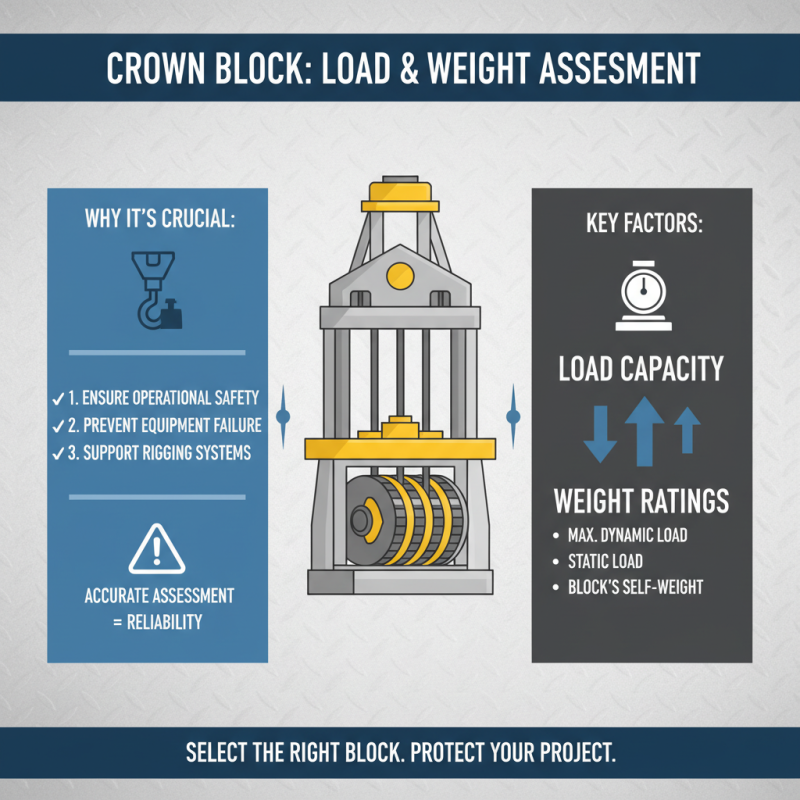
When selecting crown blocks for your project, evaluating load capacity and weight ratings is crucial. Understanding these factors ensures that the blocks can handle the loads during operation. Crown blocks are essential for rigging systems, so accurate assessments are necessary to prevent failure.
Tips: Always check the manufacturer’s specifications. They provide detailed load ratings for different configurations. A miscalculation in weight can lead to serious issues, such as equipment damage or safety hazards.
Consider the working environment as well. Factors like temperature, humidity, and potential wear can affect the performance of crown blocks. These elements may not be readily apparent, yet they play a significant role in longevity and reliability.
Tips: Use a margin of safety in your calculations. A conservative approach can help account for unexpected conditions, ensuring you have a buffer in case of unforeseen circumstances. This extra precaution can also lead to more reliable project outcomes. Balancing technical specifications with practical considerations is often a challenging process.
The Role of Material Composition in Crown Block Durability and Performance
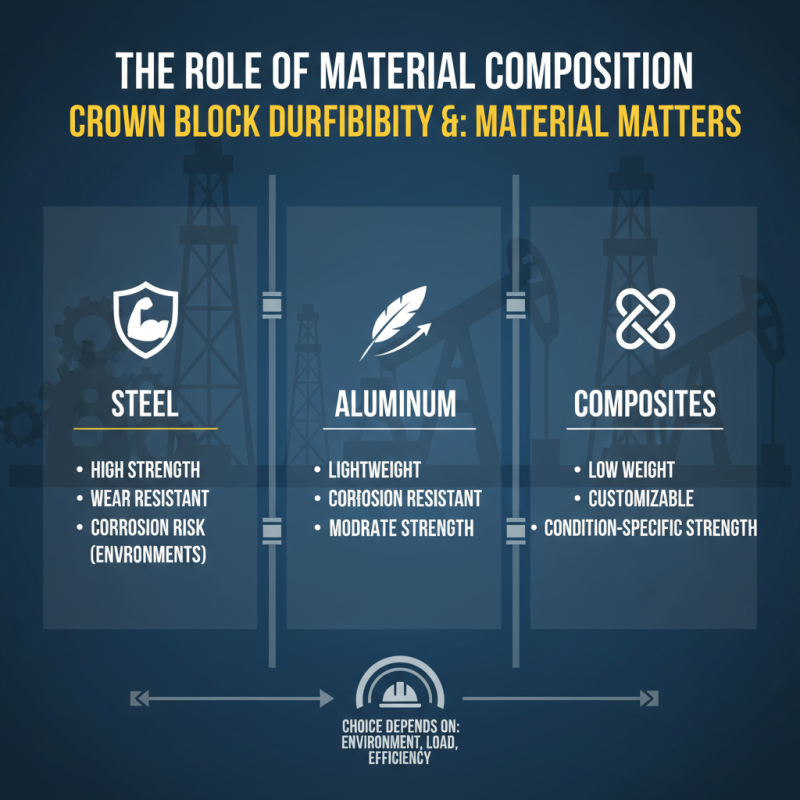
Crown blocks play a crucial role in the functionality of hoisting equipment. Their durability and performance largely depend on the material composition. Different materials exhibit varying resistance to wear, corrosion, and stress. Steel is popular due to its strength, but it may not always be ideal in highly corrosive environments. Some projects could benefit from materials like aluminum or composites. These alternatives can reduce weight and improve efficiency but may lack strength under certain conditions.
When selecting a crown block, consider the specific demands of your project. High-stress applications require robust materials, while lightweight options are better for less demanding tasks. It’s essential to evaluate the trade-offs. Using a lighter block can speed up operations but may compromise safety. Conducting thorough material tests is advisable. Many overlook this step. It can lead to unexpected failures later on. Balancing material properties against project requirements is key. Each choice has its implications, emphasizing the importance of informed decision-making.
Cost-Benefit Analysis of Crown Blocks in Project Budgeting and Planning
Choosing the right crown blocks is critical for project success. The cost-benefit analysis plays a vital role in budgeting and planning. According to industry reports, crown blocks can constitute up to 15% of a drilling project’s total cost. Evaluating the upfront costs versus long-term savings is essential. For instance, higher-quality blocks may have a higher initial price but improve efficiency and reduce maintenance costs.
One important factor is weight. Lighter crown blocks reduce the overall load on the rig, leading to less wear and tear on equipment. This can translate to lower operational costs. However, ensuring they meet safety standards is crucial. Poor quality blocks can lead to disasters. It's important to find a balance between cost and quality to ensure reliability.
Tip: Always consider the long-term implications of your crown block choice. Invest in materials that may cost more initially but save money in the future. Use a detailed analysis to weigh the risks involved.
Additionally, look at case studies in your industry. Learning from previous projects can highlight what works best. Engage with experts who have hands-on experience to gather insights. The dynamics of each project can vary significantly, so tailoring your approach based on real-world examples is wise. Avoid making decisions based solely on price; focus on the overall value.
Cost-Benefit Analysis of Crown Blocks in Project Budgeting and Planning