How to Choose the Best Oil Drilling Equipment for Your Needs?
Choosing the right oil drilling equipment is crucial for any drilling operation. It can directly impact efficiency, productivity, and safety. With numerous options on the market, making a decision can be overwhelming. Understanding your specific needs is essential.
Consider factors such as the type of drilling site, geological conditions, and project scale. Each piece of oil drilling equipment serves a unique purpose. Some tools are ideal for shallow wells, while others are designed for deep drilling. Quality and durability are vital. Investing in reliable equipment can save costs in the long run.
Yet, it is important to reflect on your choices. Not all equipment is suitable for every situation. Many factors can lead to mistakes. Evaluating suppliers and their track record can provide insight. Seek guidance from experienced professionals in the field. This careful approach ensures that you choose the best oil drilling equipment for your needs.
Understanding Your Oil Drilling Needs and Requirements
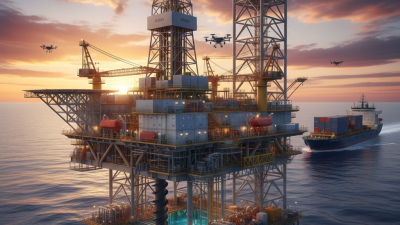
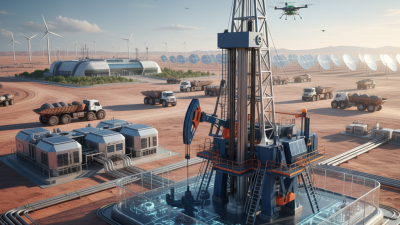
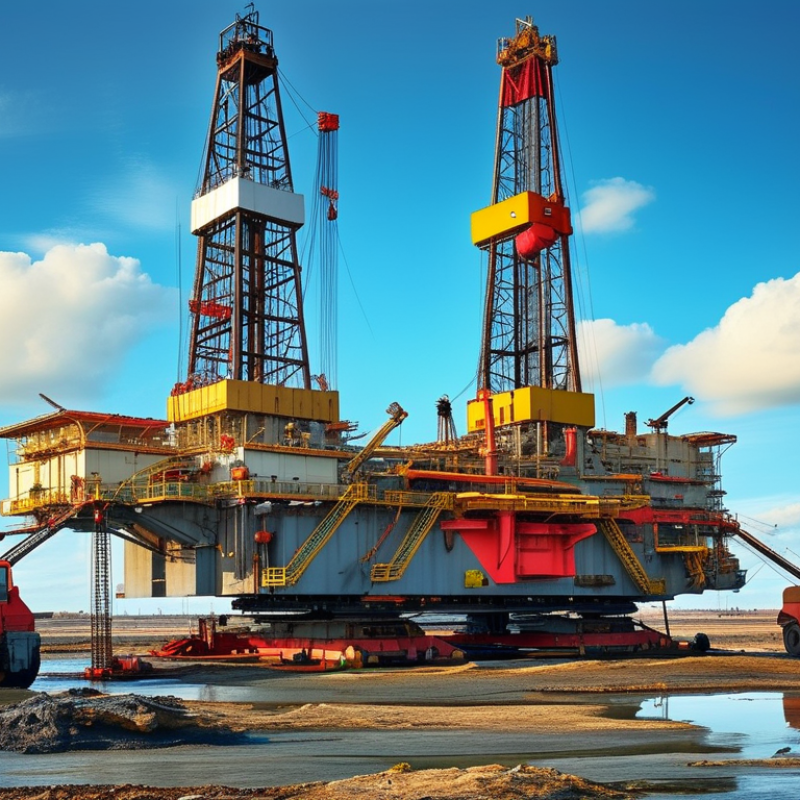
When selecting oil drilling equipment, understanding your specific needs is crucial. Identify the type of drilling you plan to undertake. Are you working offshore or on land? Each environment demands different equipment. For instance, deep-water drilling requires robust rigs capable of withstanding harsh ocean conditions. On the other hand, land drilling can often be done with lighter, more mobile equipment.
Consider your project's scale. Smaller operations may benefit from compact drills, which are easier to maneuver. Larger projects might necessitate heavy-duty rigs with enhanced capabilities. It's essential to analyze not just the equipment itself but also the support systems, such as transportation and maintenance. Reflect on whether you have access to skilled personnel for operating more advanced machinery.
Budget constraints will also impact your choices. High-quality equipment can drive up costs significantly. Assessing the long-term benefits versus initial expenses is necessary. Nonetheless, investing in reliable equipment often pays off through efficiency and lower downtime. Think about the environmental impact as well. Choosing equipment that minimizes ecological disruption is increasingly important. Balancing efficiency, costs, and environmental responsibility can be a complex challenge, but it's vital for successful drilling operations.
Key Factors to Consider When Selecting Oil Drilling Equipment
When selecting oil drilling equipment, several key factors impact your decision. Understanding the specific project requirements is crucial. Evaluate parameters like well depth, formation types, and expected production rates. The International Association of Drilling Contractors emphasizes that over 30% of drilling failures arise from equipment mismatches. Proper assessment can mitigate risks and increase efficiency.
Operational capacity is another factor to consider. The equipment should handle the expected workload without compromise. According to a report by MarketsandMarkets, the oil drilling equipment market is projected to grow at a CAGR of 6.09%. This growth reflects the need for advanced, reliable technology that meets rigorous demands. Choose equipment that balances power with sustainability, reflecting a growing industry focus on eco-friendly practices.
Budget constraints are inevitable. A comprehensive cost analysis is vital to determine whether to opt for new or used equipment. Industry data shows that about 25% of companies experience budget overruns due to unexpected equipment failures. Investing in quality could save money and time in the long run. Choose wisely, and ensure the equipment offers flexibility for future projects.
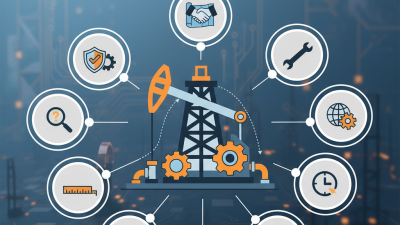
Oil Drilling Equipment Selection Criteria
Types of Oil Drilling Equipment and Their Functions
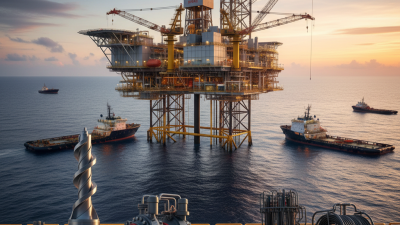
When selecting oil drilling equipment, understanding various types and their functions is crucial. Drilling rigs are essential for reaching oil deposits. They come in various forms, including land and offshore rigs. Land rigs are mobile, facilitating easy relocation. Offshore rigs, on the other hand, are more complex and designed to withstand harsh marine environments. Each type serves a specific purpose.
Beyond rigs, there are other vital tools. Drill bits are critical; they penetrate deep into the earth. They vary in material and design depending on the rock formation. Additionally, mud pumps circulate drilling fluids. These fluids cool the drill bit and carry cuttings to the surface. Properly sized and configured mud pumps ensure efficiency and safety during drilling.
Other equipment includes casing and tubing that support the well structure. Casing prevents well collapse and keeps out groundwater. Choosing the right materials influences a project’s overall success. It's important to assess the requirements for each project carefully. Evaluating compatibility and performance is necessary for optimal results. Consider how the equipment will operate together and in varying conditions. Each decision impacts the overall effectiveness and safety of the drilling operation.
Evaluating the Quality and Reliability of Oil Drilling Equipment
When evaluating the quality and reliability of oil drilling equipment, it's crucial to consider specific performance metrics. Quality can be assessed through rigorous testing and third-party certifications. Reliable equipment often features user-maintained components, built to withstand tough conditions. Look for materials known for durability, like high-grade steel or specialized alloys. Details matter—a minor flaw can lead to significant downtime.
Researching the manufacturer's reputation is essential. Experienced manufacturers usually provide detailed specifications and user testimonials. Check if they offer comprehensive support and maintenance services. A strong warranty can also indicate product reliability. Ensure that past users have shared positive experiences regarding the equipment’s performance under demanding conditions.
Another key aspect is adaptability. Some equipment may perform well in one environment but falter in another. It's beneficial to observe how equipment handles various soil types and depths. Gathering feedback from users in similar terrains can provide insights. While no equipment is perfect, the best choices consistently meet a range of operational demands.
Budgeting and Cost Considerations for Oil Drilling Equipment
When it comes to budgeting for oil drilling equipment, it's crucial to evaluate all potential costs. The initial purchase price is just part of the equation. Consider ongoing expenses like maintenance, operation, and personnel training. These costs can add up quickly and impact your budget significantly.
One aspect often overlooked is the potential for unexpected expenses. Drilling equipment can fail or require upgrades, which may strain your financial resources. Establishing a contingency fund can help mitigate these risks. Always anticipate scenarios that could lead to increased costs and set aside funds accordingly.
When selecting equipment, it's wise to balance quality and price. Higher quality equipment may have a greater upfront cost but may save money in the long run through lower repair and replacement needs. Evaluate your specific job requirements and seek equipment that meets industry standards, as that can enhance efficiency and safety.