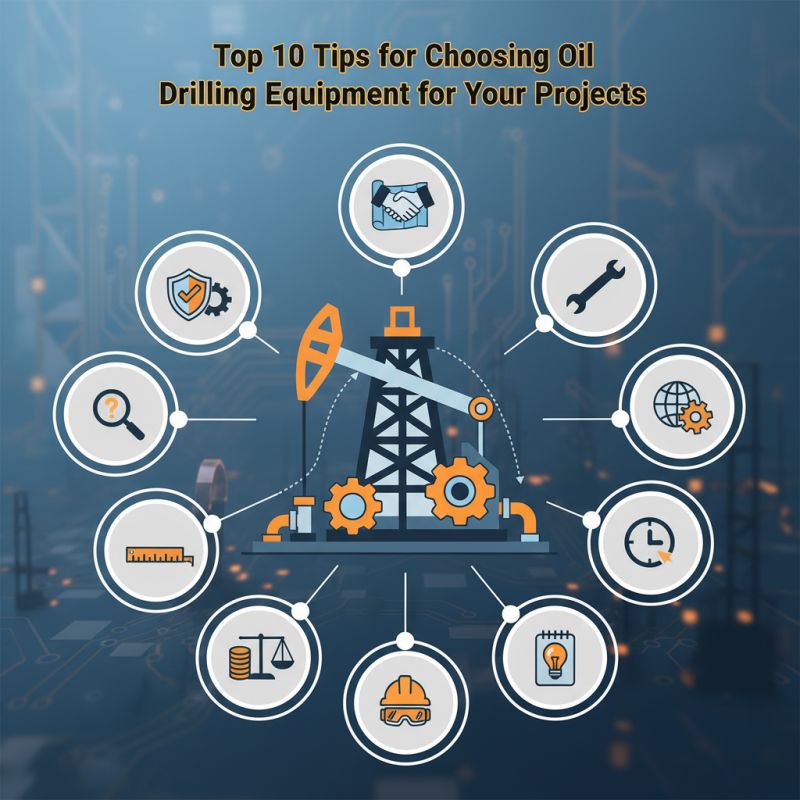
Top 10 Tips for Choosing Oil Drilling Equipment for Your Projects?
Choosing the right Oil Drilling Equipment is crucial for any drilling project. The equipment you choose greatly influences efficiency, safety, and overall success. It's vital to consider various factors before making a decision.
Quality matters. Poorly built equipment can lead to costly downtime and safety hazards. Look for manufacturers with a solid reputation. They often provide reliable, durable products that stand the test of time. Check reviews and industry feedback.
Compatibility is another key factor. Ensure the equipment fits your project specifications. Understanding the terrain and required drilling depths is crucial. Finding the right fit can prevent expensive modifications later. Balancing cost and quality can be challenging. Don’t rush this decision; reflect on your project needs before proceeding.
Factors to Consider When Selecting Oil Drilling Equipment
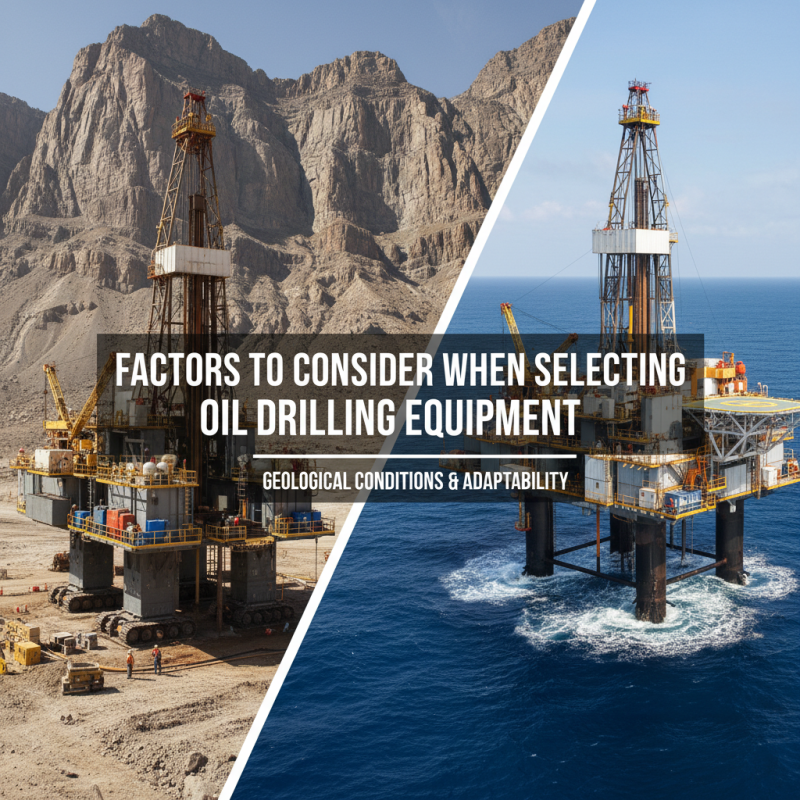
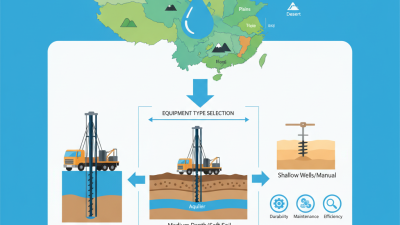
When selecting oil drilling equipment, several critical factors come into play. First, consider the geological conditions of your site. Different environments, like rocky terrains or offshore locations, demand specialized equipment. The adaptability of your equipment can impact the project's success. Understanding the specific needs of your drilling site is crucial for effective operation.
Another vital element is the equipment's efficiency. Evaluate factors like rate of penetration and fuel efficiency. High-performance equipment typically leads to better output and reduced downtime. However, remember that higher efficiency may come with increased initial costs, which should be weighed against long-term gains.
Training and support for your team are often overlooked. Skilled operators are essential for handling complex machinery safely. Providing proper training ensures that your crew can effectively operate the equipment. Failing to allocate resources for training can lead to operational difficulties and higher risks. Balancing equipment capabilities with strong human resources is key to successful drilling operations.
Types of Oil Drilling Equipment and Their Applications
When choosing oil drilling equipment, understanding the types available is crucial. The primary categories include
rotary drills, cable tool rigs, and offshore platforms. Each type serves specific applications within the oil industry. For instance,
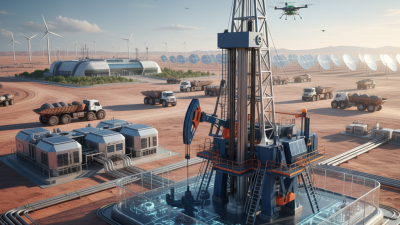
rotary drills are favored for their efficiency in drilling deep wells, making them suitable for onshore oil extraction.
According to the U.S. Energy Information Administration (EIA), rotary drilling remains the dominant method, accounting for over
70% of active oil wells in recent years.
Cable tool rigs, while less common today, are still used in certain regions. They are beneficial for shallow drilling projects
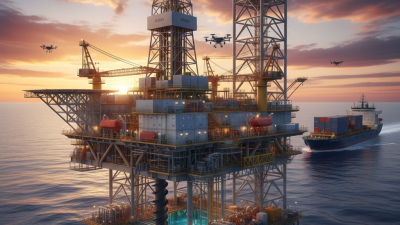
and can be more cost-effective. Offshore platforms, including semi-submersibles and jack-up rigs, play a pivotal role in
extracting oil from beneath the ocean floor. The International Association of Drilling Contractors
reported that offshore drilling could account for nearly
30% of the world’s total oil production by 2025.
Each equipment type has its pros and cons. Your choice must consider project depth, location, and environmental impact.
Advanced analytics suggest that the wrong equipment can significantly delay
production timelines and increase costs. Industry reports recommend reevaluating equipment choices frequently to stay
ahead of technological advancements and improve efficiency.
Assessing the Quality and Reliability of Equipment Brands
Choosing the right oil drilling equipment hinges on the quality and reliability of the brands you consider. It's crucial to evaluate equipment based on performance history and user reviews. Look for feedback from industry professionals who have firsthand experience with different brands. This can help you understand how the equipment performs in real-world conditions.
Reliability is often linked to the materials used in manufacturing. High-quality equipment typically features durable components that resist wear and tear. While many brands may boast about their products, not all have the same track record. A focus on user experiences and technical specifications can guide you to make informed choices.
It’s essential to assess service support and warranty options as well. Equipment is an investment, and having reliable after-sales support can significantly impact your operations. Consider those brands that offer robust customer service. However, even the most reputable brands may have occasional shortcomings. Analyzing potential weaknesses allows for better preparedness and response strategies during projects. Seek recommendations, but be ready to adapt based on your specific needs and project demands.
Top 10 Tips for Choosing Oil Drilling Equipment for Your Projects
Budgeting for Your Oil Drilling Equipment Purchase
When budgeting for oil drilling equipment, it's essential to account for all variables. Reports suggest that nearly 30% of a project's total cost stems from equipment purchases. Start by evaluating your project's specific needs. Consider the depth of drilling and geological conditions, as these factors directly influence the equipment required.
Tip: Don’t overlook maintenance costs. Industry studies show that maintenance can account for 10-15% of annual equipment expenses. Factor this into your budget to avoid surprises. Additionally, think about the lifespan of the equipment. Investing in more durable equipment might have a higher upfront cost but could save money over time.
Another crucial aspect is financing. Many drilling companies opt for leasing equipment to manage cash flow effectively. Traditional financing methods often have hidden fees, so be vigilant. Research shows that companies that thoroughly understand their financing options often save 20% on equipment costs. Always compare offers and analyze long-term effects on your budget.
Maintenance and Support Considerations for Drilling Equipment
When selecting oil drilling equipment, maintenance and support considerations play a vital role. Regular maintenance ensures optimal performance of drilling rigs. According to a report by the International Association of Drilling Contractors, equipment downtime can lead to a loss of up to $20,000 per day. This emphasizes the need for reliable support systems.
Choosing equipment with robust maintenance packages is essential. Look for suppliers that offer comprehensive training for staff. The Energy Information Administration highlights that well-trained operators can increase drilling efficiency by 15% to 25%. Maintenance should include routine checks and access to spare parts. Lack of proper maintenance can lead to unexpected failures.
Support services are equally critical. You need quick access to technical assistance. A survey from the Petroleum Equipment Suppliers Association indicates that 60% of companies prioritize after-sales support when purchasing equipment. It’s crucial to examine the supplier's response time and availability of resources. This can significantly impact project timelines and budgets. Effective maintenance and support are not just an option; they are a necessity for project success.