How to Choose the Right Hydraulic Pump Unit for Your Needs?
Choosing the right Hydraulic Pump Unit is crucial for efficiency in various applications. As John Smith, a leading expert in the hydraulic industry, often states, "Each application demands a unique hydraulic solution." This highlights the importance of understanding your specific needs before making a decision.
Hydraulic pump units are not one-size-fits-all. Factors like pressure requirements, flow rates, and system compatibility play essential roles. Misjudging any of these can lead to suboptimal performance. Furthermore, it’s important to consider maintenance and reliability, as neglect in these areas can result in costly downtimes.
When selecting a Hydraulic Pump Unit, take the time to evaluate your project’s demands. Don't rush into a purchase that might not serve your needs well. Remember, the right choice enhances productivity and reduces long-term costs. It's a decision that warrants careful consideration and sometimes a second look at the options available.
Understanding the Different Types of Hydraulic Pump Units
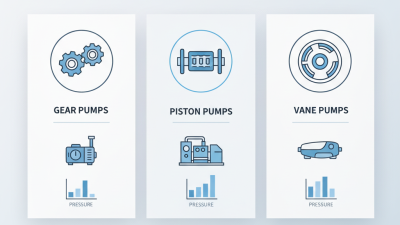
When selecting a hydraulic pump unit, understanding the different types is essential. Various units serve unique purposes. Gear pumps, for instance, are simple and efficient, ideal for low-viscosity fluids. On the other hand, piston pumps provide high pressure and are suitable for heavy-duty applications. Each type has its strengths.
Considering your specific needs is vital. Think about the flow rate and pressure required for your operation. Also, evaluate the nature of the fluid you’ll be using. Is it viscous? Will it contain particles? These details will help narrow your choices. Remember, not every pump will perform well under all conditions.
Pay attention to your environment. High temperatures or corrosive elements can affect pump performance. Sometimes, choosing a more robust unit could prevent failures. Reflect on the installation space you have available. A compact unit might be necessary if space is limited. Always consider long-term maintenance to ensure reliability.
Assessing Your Hydraulic System Requirements and Specifications
When selecting a hydraulic pump unit, it is crucial to assess your hydraulic system's specific requirements. Start by determining the required flow rate. This will depend on the application and the size of the equipment. It’s also vital to consider the pressure needs. Different applications demand varying pressure levels. A mismatch could lead to inefficiencies and potential system failure.
Next, analyze the environmental conditions in which the pump will operate. Factors such as temperature, humidity, and exposure to contaminants must be accounted for. For example, harsh environments can accelerate wear and tear on equipment. It’s important to reflect on how the pump's materials can withstand these conditions.
Understanding the overall system design is equally important. Evaluate available space for installation and maintenance. Sometimes, even a slight miscalculation in size can lead to significant operational challenges. Lastly, consult with professionals or reference guides for expert recommendations. This can ensure that you are making informed decisions, but remember to remain critical of information sources. Experience in the field often reveals nuances that guidelines do not cover.
Evaluating Pump Performance Metrics and Efficiency
When selecting a hydraulic pump unit, evaluating performance metrics is crucial. Efficiency plays a significant role in the overall operational cost. According to a report by the Hydraulic Institute, pump efficiency can range from 30% to 90%. This variance affects energy consumption and operating expenses. It's essential to choose a pump that operates within the highest efficiency range suitable for your application.
Consider volumetric efficiency as another important metric. It indicates how well a pump converts input power into hydraulic energy. A pump with high volumetric efficiency reduces energy losses. Industry data suggests that a 1% improvement in volumetric efficiency can yield an energy savings of up to 4%. This is a simple yet impactful consideration for long-term operational savings.
Pressure rating is also critical. Selecting a pump that matches the required pressure can prevent system failures. Over-specifying can lead to higher costs and potential energy waste. Hydraulics World reported that improperly sized pumps can increase energy costs by as much as 25%. Analyzing these metrics ensures you select a pump unit tailored to your specific operational needs and budget constraints.
Considering Compatibility with Existing Equipment and Systems
Choosing the right hydraulic pump unit involves more than just specifications. Compatibility with existing equipment and systems is crucial. According to industry reports, improper selection can lead to up to 30% inefficiency. This inefficiency increases operating costs and may damage equipment over time.
Evaluate your current hydraulic system before making a purchase. Pay close attention to the flow rate and pressure requirements. These parameters must align with your existing machinery. If your current pump operates at a higher pressure than the new unit, it could cause significant wear and tear. On the other hand, underperforming pumps can lead to insufficient power for your applications.
Consider also the required fittings and connections. Many systems use standard sizes, but not all. A mismatched connector can prevent proper integration and operation. Always check compatibility to avoid costly modifications or replacements.
Gauge the materials used in the pump as well. Some environments may require corrosion-resistant materials. It's essential to choose a pump that won't degrade or fail quickly.
Consulting professionals or technical documentation can provide valuable guidance. Industry standards often evolve, so staying updated is beneficial. Balancing performance and compatibility helps ensure long-term efficiency. Make informed decisions to enhance your hydraulic system's longevity and effectiveness.
Budgeting for Initial Purchase and Long-Term Maintenance Costs
When selecting a hydraulic pump unit, budgeting is key. The initial purchase price can vary widely, from a few hundred to several thousand dollars. According to industry reports, the average cost of a hydraulic pump unit ranges from $1,000 to $5,000, depending on its specifications and capabilities. It is essential to align your budget with your operational requirements.
Maintaining a hydraulic pump unit adds to your expenses. Industry analysis indicates maintenance can cost about 10-15% of the initial purchase price annually. This includes routine checks, oil changes, and parts replacement. Neglecting these can lead to costly repairs. While purchasing a cheaper unit might save money upfront, it could incur higher maintenance costs in the long run. This delicate balance between initial spending and ongoing maintenance is crucial.
Be prepared for unexpected repairs. Hydraulic systems often face wear and tear, which can lead to unanticipated expenses. A study by the Hydraulic Institute shows that nearly 30% of companies underestimate long-term costs. Reflecting on past choices can reveal mistakes—overlooking a reliable brand or miscalculating total expenses can significantly affect your budget. Investing time to understand these dynamics is vital for making informed decisions.