How to Choose the Best Hydraulic Pump Unit for Your Needs?
Choosing the right Hydraulic Pump Unit can significantly impact operational efficiency. The global hydraulic equipment market was valued at approximately $47 billion in 2021 and is expected to grow steadily. This indicates a rising demand for effective hydraulic solutions. Selecting the best unit demands careful consideration of various factors, including efficiency, compatibility, and application.
Numerous industry reports highlight that improper selection can lead to increased downtime and maintenance costs. For instance, companies can face losses of up to 30% due to equipment failure. It's crucial to assess the specific needs of your application. Hydraulic systems vary widely and require tailored solutions for optimal performance.
Consideration of both application and specifications will ensure you invest wisely. A poorly chosen Hydraulic Pump Unit may not meet your required pressure or flow rate. This might result in inefficiencies. Reliable and expert advice is essential when navigating these choices. Engaging reputable suppliers can also provide insight into the latest technologies and innovations in hydraulic systems.
Understanding Hydraulic Pump Units and Their Applications
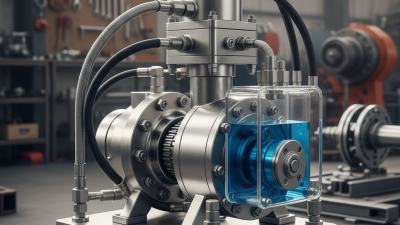
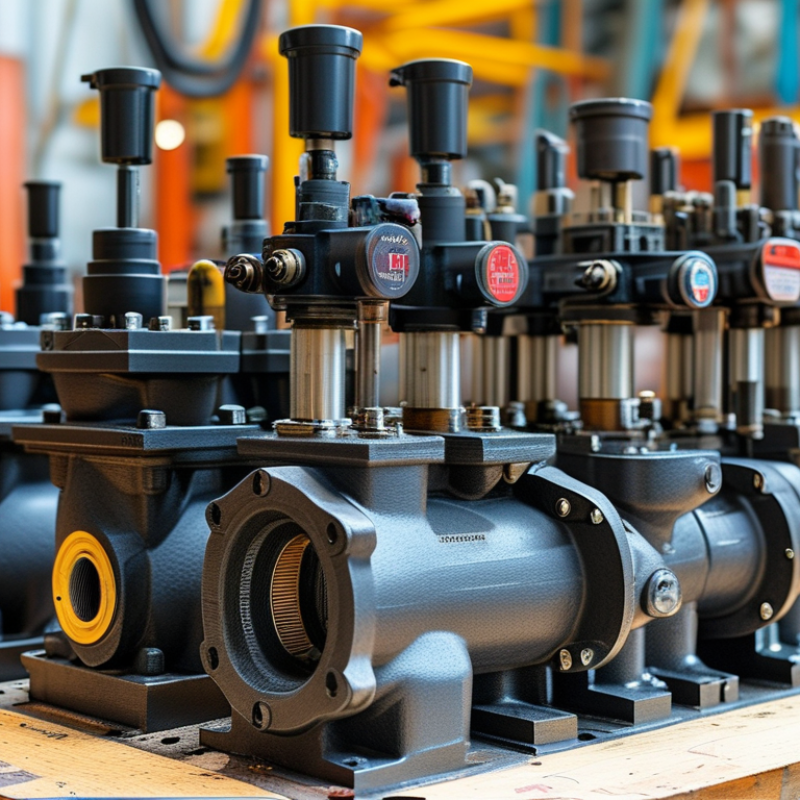
Hydraulic pump units play a crucial role in various industrial applications. They convert mechanical energy into hydraulic energy, driving machinery in construction, manufacturing, and agriculture. Understanding their components helps you make informed choices. A typical unit consists of a pump, motor, reservoir, and control system. Each part has specific functions, impacting performance and efficiency.
When selecting a hydraulic pump unit, consider the intended application. Factors like flow rate, pressure requirements, and temperature range are vital. For instance, a high flow rate is crucial for heavy equipment. In contrast, precision tasks may require lower rates but with higher pressure. Assessing your needs helps narrow down options. However, some users overlook maintenance. Regular checks can prevent costly downtime.
Customization is another aspect to weigh. Off-the-shelf units may save money but may not suit your specific requirements. Poor fit can lead to inefficiencies, wasting resources. Conversely, custom units could offer better performance but at a higher cost. Weighing these factors carefully allows for better decision-making. Understanding your unique needs remains essential in choosing a suitable hydraulic pump unit.
Identifying Key Factors for Selecting Hydraulic Pump Units
When selecting a hydraulic pump unit, it's crucial to identify key factors that fit your specific applications. Consider the flow rate requirements. According to industry reports, a mismatch in flow rate can lead to inefficiencies, resulting in 15-20% lower performance and increased operational costs. It's essential to analyze your system's demand to optimize productivity.
Another factor to consider is the pressure range. Hydraulic systems often operate under varying pressures. A report by the Hydraulic Institute states that selecting a pump unit that cannot handle the peak pressure could cause significant system failures. Additionally, understanding the type of hydraulic fluid used in your system can influence the choice of materials in the pump unit.
Tips: Always review the compatibility of materials to prevent corrosion or degradation. Pay attention to maintenance needs and uptime, as this affects long-term costs.
It's also essential to consider installation space and portability. Some units require more space than others, and choosing one that fits your environment can save you from future issues. Investigating the manufacturer’s reliability can also provide insights into their product's durability. Cultivating an understanding of pump efficiency ratings and comparing them can help you make an informed choice.
Hydraulic Pump Unit Selection Factors
Comparing Different Types of Hydraulic Pump Units
When selecting a hydraulic pump unit, understanding the different types available is crucial. Common options include gear pumps, vane pumps, and piston pumps. Gear pumps are cost-effective and simple, making them suitable for low-pressure applications. Vane pumps excel in variable output applications, providing flexibility. Piston pumps, while often more expensive, offer high efficiency and pressure capabilities, suitable for demanding tasks.
It's essential to assess your specific needs. Think about the pressure requirements, flow rates, and the operating environment. Each type has its strengths and weaknesses. Sometimes, it might feel overwhelming to choose the right one. A wrong decision can lead to inefficient operation or even equipment failure.
When making a choice, prioritize reliability. Check for user reviews and expert opinions. Don't hesitate to ask for advice from industry professionals. A well-sourced recommendation can make a difference. Keep in mind that not all hydraulic pumps are created equal. So, reflect on your requirements carefully before proceeding. Make sure to analyze both performance and cost.
Evaluating Performance Specifications for Optimal Use
When selecting a hydraulic pump unit, performance specifications are crucial. It’s not just about size or power. Consider flow rate and pressure ratings. Higher flow often means faster action, but it may require more energy. Evaluate your actual needs closely.
Think about duty cycles too. Some jobs demand continuous operation, while others don’t. If you push a pump too hard, it could overheat. Look into cooling options or run time recommendations. Not all pumps handle prolonged use well.
Noise levels can also impact your choice. Some environments require quieter units. For instance, residential areas prohibit loud operations. Research compatibility with your existing system as well. Integration issues can lead to costly downtime. Always weigh these factors carefully. It's important to reflect on how often you will be using the pump. Assessing your application thoroughly helps in making an informed decision.
How to Choose the Best Hydraulic Pump Unit for Your Needs? - Evaluating Performance Specifications for Optimal Use
| Specification |
Description |
Consideration Factors |
| Flow Rate |
Volume of fluid the pump can move in a given time, usually measured in gallons per minute (GPM) or liters per minute (L/min). |
Required flow for application, system pressure, and efficiency. |
| Pressure Rating |
Maximum pressure the pump can operate, measured in psi or bar. |
System's maximum working pressure and safety margins. |
| Power Source |
Type of power used to operate the pump (electric, diesel, hydraulic, etc.). |
Availability of power source and environmental considerations. |
| Pump Type |
Type of hydraulic pump (gear, vane, piston, etc.) and their operating principles. |
Application requirements, efficiency, and maintenance needs. |
| Size and Weight |
Dimensions and weight of the pump unit. |
Space constraints and transportation considerations. |
| Efficiency |
How much hydraulic energy is converted into useful work. |
Operating costs, energy consumption, and overall system performance. |
| Cost |
Initial purchasing cost and long-term operational costs. |
Budget constraints and cost-benefit analysis for performance. |
Assessing Maintenance and Support for Hydraulic Pump Units
When selecting a hydraulic pump unit, maintenance and support are critical aspects to consider. Regular maintenance ensures the reliability of the pump. Over time, parts may wear down or become less efficient. A well-maintained unit performs better and lasts longer, thus saving costs. Scheduled check-ups can prevent unexpected breakdowns.
You should also evaluate the support services offered. Quick access to technical support can minimize downtime. Many manufacturers provide training for your team, which can enhance the efficiency of operations. Familiarity with the system can boost confidence and reduce mishandling. Not all manufacturers offer the same level of post-sale support, so it’s essential to ask questions early.
Documentation is another key factor. Comprehensive user manuals and maintenance guidelines are invaluable. They help teams troubleshoot issues effectively. However, some manuals may lack clarity or detail, leading to confusion. It's crucial to read reviews or seek experiences from others in the industry. Ultimately, the right support can make a substantial difference in operational success.