Top Hydraulic Pump Unit Types for Efficient Performance
In the dynamic world of hydraulic systems, choosing the right Hydraulic Pump Unit is crucial for efficiency and performance. Expert Tom Becker, a well-respected authority in hydraulic technologies, states, "The effectiveness of a hydraulic pump system can make or break operational success." His experience highlights the importance of selecting the right type for specific applications.
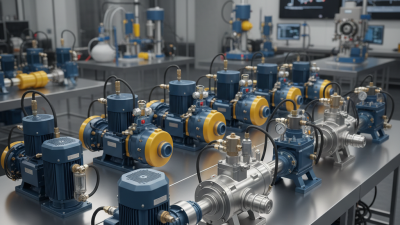
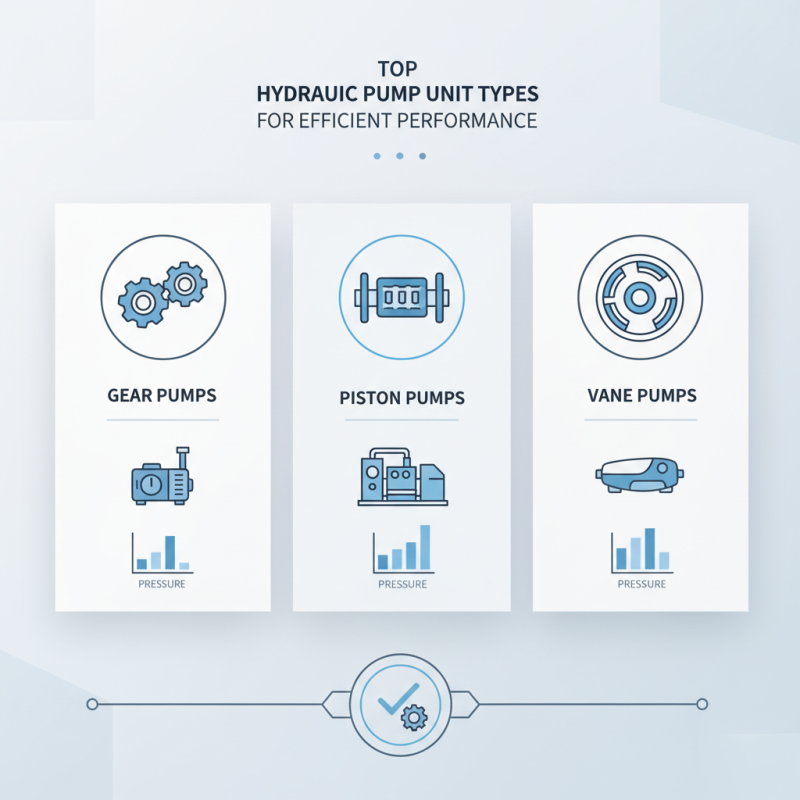
Hydraulic Pump Units come in various designs, each suited to distinct tasks. Gear pumps, piston pumps, and vane pumps are popular choices. They offer different benefits in terms of pressure, flow rate, and size. Understanding these types is essential for industry professionals looking to optimize operations.
Yet, there are challenges in making these selections. Overlooking the specific needs of an operation can lead to inefficiencies. For instance, a high-pressure application may require a piston pump, while a low-flow situation could benefit from a gear pump. Awareness of these details is vital for achieving the best results.
Types of Hydraulic Pump Units and Their Functional Advantages
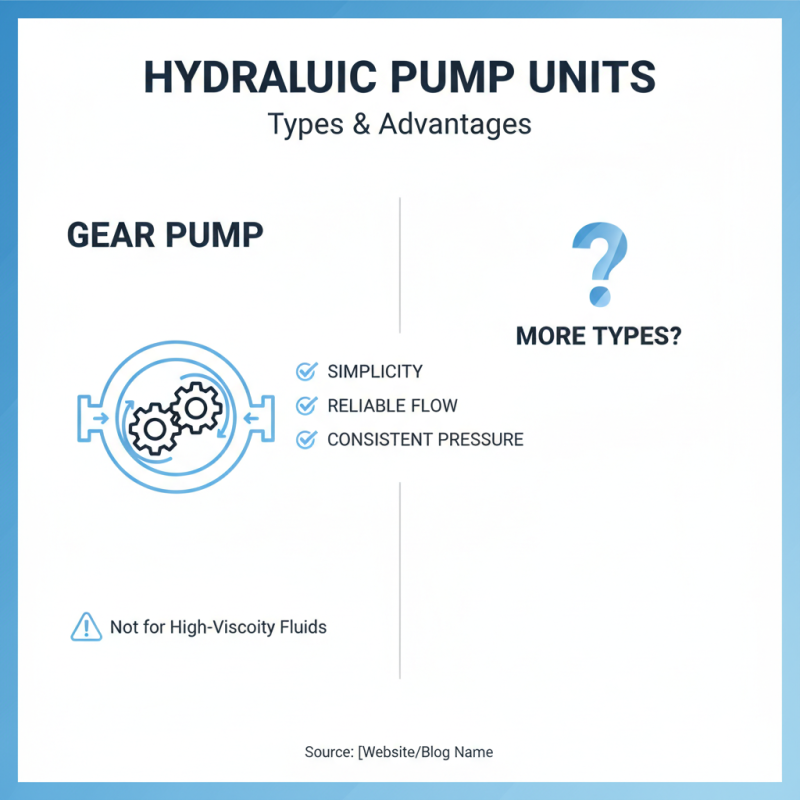
Hydraulic pump units are essential for various industrial applications. Understanding their types can greatly improve performance. One common type is the gear pump. Known for its simplicity, it offers reliable flow rates. These pumps are ideal for systems requiring consistent pressure. However, they may not handle high-viscosity fluids well.
Another significant type is the piston pump. These pumps are powerful and efficient. They excel in delivering high pressure, making them suitable for heavy-duty tasks. However, they can be more complex to maintain. Users need to ensure regular servicing to prevent issues.
Diaphragm pumps are also worth mentioning. They are versatile and can handle a range of fluids. These pumps are excellent for transferring chemicals and slurries. Yet, their flow rates might not match those of gear or piston pumps. Each type has its strengths and weaknesses. Choosing the right one requires careful consideration of the specific application.
Comparison of Positive Displacement and Non-Positive Displacement Pumps
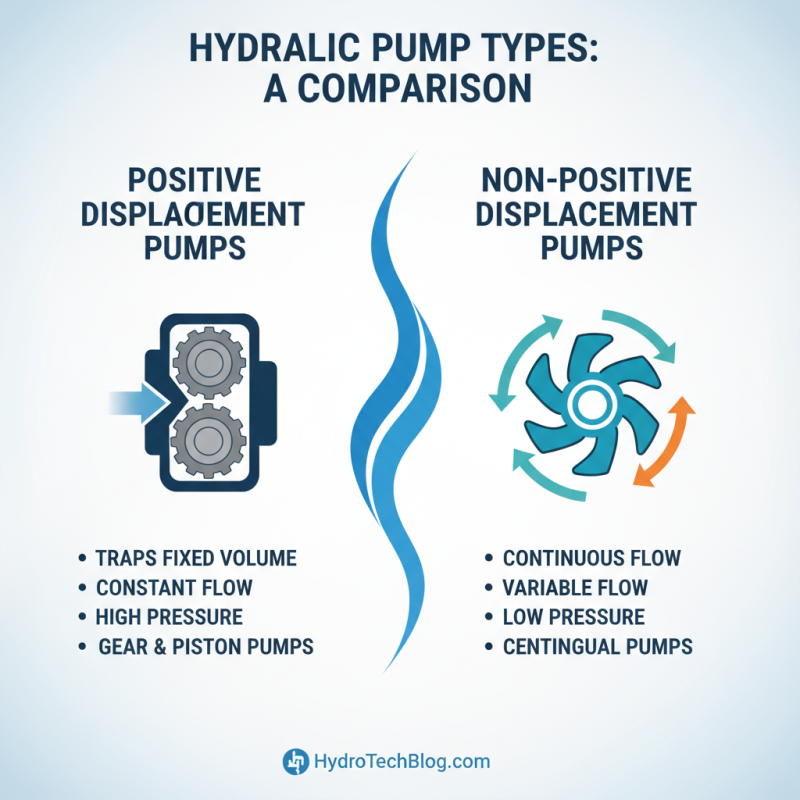
When comparing hydraulic pump types, two main categories emerge: positive displacement and non-positive displacement pumps. Positive displacement pumps operate by trapping a fixed volume of fluid and forcing it out. This makes them ideal for high-pressure applications. They provide a constant flow rate. Examples include gear pumps and piston pumps.
Non-positive displacement pumps, like centrifugal pumps, rely on kinetic energy. They move fluid through high-speed rotation. These pumps are often used in low-pressure situations. Their flow rate can vary based on the system’s pressure. Understanding the specific application is crucial in selecting the right pump type.
Tips for choosing the right pump: assess your system's pressure requirements carefully. Consider the type of fluid, as viscosity plays a huge role. Regular maintenance is key for longevity. Reflect on pump efficiency; sometimes, a cheaper option may not be the best long-term investment.
Key Characteristics of Gear Pumps for Industrial Applications
Gear pumps are essential for many industrial applications. They are known for their simplicity and reliability. A gear pump operates by using two or more interlocking gears to move fluid. This method allows for a consistent flow and pressure, making it ideal for various tasks.
Key characteristics of gear pumps include their efficiency and durability. The design minimizes leakage, which enhances overall performance. Though they are efficient, they do have limitations. For instance, they can be sensitive to changes in fluid viscosity. If the fluid is too thick, it can lead to increased wear and tear. Maintaining the right fluid temperatures is crucial for optimal function.
Another important aspect is the noise level of gear pumps. They can be louder than other pump types, which may pose challenges in noise-sensitive environments. Regular maintenance is necessary to ensure they operate smoothly. Over time, components may wear down, affecting performance. Addressing these issues early can prevent costly downtime. Overall, understanding these characteristics helps industries choose the right gear pump for their specific needs.
Understanding the Role of Vane Pumps in Hydraulic Systems
Vane pumps are critical components in hydraulic systems, offering efficient fluid transfer. They work by using multiple vanes that slide in and out of a rotor. This movement creates a series of chambers where fluid enters and exits, ensuring smooth operation. According to industry reports, vane pumps can achieve volumetric efficiencies of up to 90% under optimal conditions.
The design of vane pumps allows them to handle a variety of fluids, including those with particulates. However, their performance may decline when exposed to abrasive materials. For cases that require high pressures, vane pumps may need additional support to maintain efficiency. In practical applications, monitoring systems can help ensure that these pumps operate within their ideal range.
Understanding the limitations of vane pumps is equally important. While they are efficient, they can be sensitive to temperature fluctuations. Regular maintenance is crucial for longevity. Industry standards recommend inspecting vanes and seals at regular intervals to prevent failures. This proactive approach can enhance performance and reliability, minimizing costly downtimes.
Top Hydraulic Pump Unit Types for Efficient Performance
Best Practices for Maintaining Hydraulic Pump Unit Efficiency
Maintaining the efficiency of hydraulic pump units is crucial for optimal performance. Regular checks on fluid levels can prevent costly breakdowns. Ensuring the hydraulic fluid is clean and at the correct viscosity enhances system efficiency. Contaminants can lead to increased wear and tear on components, affecting overall operation.
Routine inspections of seals and connectors are also essential. A worn seal can cause leaks, leading to inefficient operation and safety hazards. Keeping an eye on temperature readings can warn of potential issues. Overheating may suggest that the pump is working harder than necessary. If temperatures rise, investigate for blockages or pump overload.
Finally, operators should document maintenance activities. This practice helps track performance trends over time. Identifying recurring issues may reveal underlying problems. Feedback from regular performance assessments is vital for continuous improvement. Addressing these aspects can transform your hydraulic system from merely functional to highly efficient.
Top Hydraulic Pump Unit Types for Efficient Performance
| Pump Type |
Flow Rate (L/min) |
Pressure (bar) |
Efficiency (%) |
Maintenance Interval (Hours) |
| Gear Pump |
50 |
200 |
85 |
100 |
| Vane Pump |
75 |
180 |
80 |
200 |
| Piston Pump |
100 |
300 |
90 |
300 |
| Rotary Pump |
60 |
150 |
78 |
150 |
| Diaphragm Pump |
40 |
120 |
75 |
80 |