What to Consider When Choosing a Safety Relief Valve?
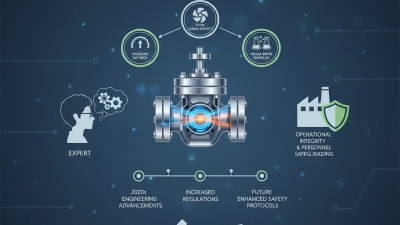
When selecting a Safety Relief Valve, critical considerations come into play. Experts in the industry stress the importance of reliable performance. As John Smith, a renowned engineer in the field, states, “Choosing the right Safety Relief Valve can prevent catastrophic failures.”
A Safety Relief Valve functions to protect systems from overpressure. It ensures that pressure does not exceed what the system can handle. This valve can be the difference between safety and danger. The materials, size, and specifications must match your system's requirements. Miscalculating these factors can lead to inefficiencies and risks.
Furthermore, manufacturers often provide vague guidelines. This can add to the confusion during the selection process. It's crucial to consult with experienced technicians. Their insights can help tailor the right Safety Relief Valve for unique applications. Consideration of these details is vital for reliable and effective safety mechanisms.
Key Functions of Safety Relief Valves in Industrial Applications
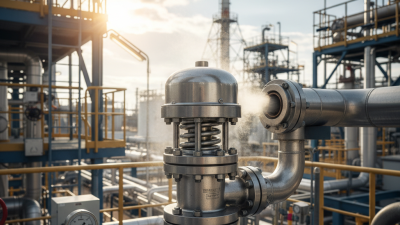
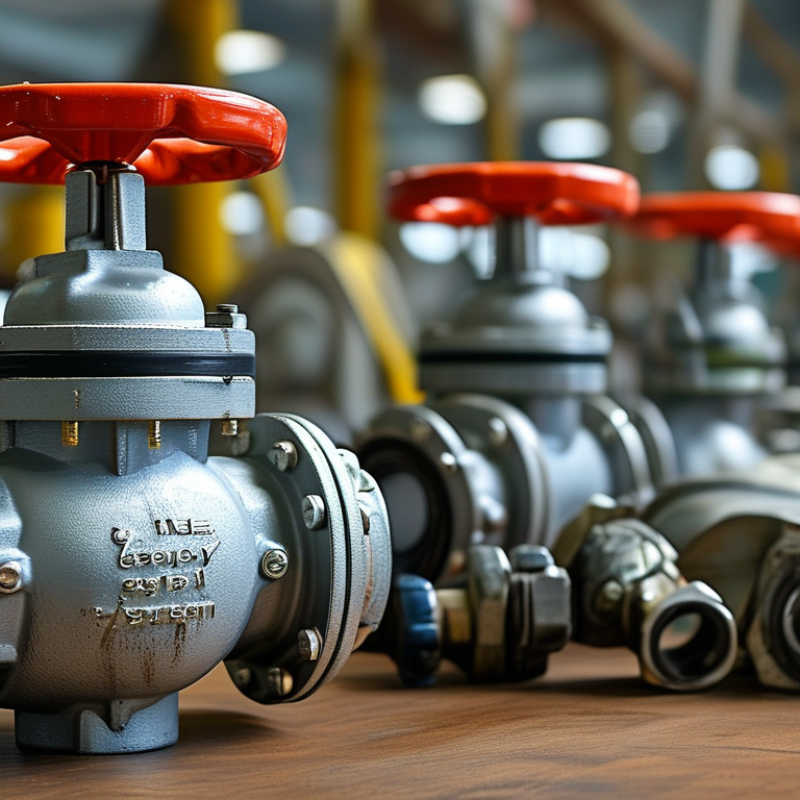
Safety relief valves play a crucial role in industrial applications. They are designed to protect equipment and personnel from overpressure situations. When pressure exceeds a certain limit, these valves release excess pressure. This prevents potentially catastrophic failures, ensuring safety and operational integrity.
In many industries, such as oil and gas, chemical processing, and manufacturing, safety relief valves serve as the last line of defense. They must be reliable and respond accurately to changing conditions. Proper sizing and selection of these valves are essential. Incorrect specifications can lead to insufficient protection or unnecessary system interruptions.
It's important to consider the operating environment. High temperatures, corrosive materials, and vibrations can affect valve performance. Regular maintenance checks are necessary to ensure their reliability. However, not all facilities prioritize these checks. This oversight could lead to failures. Understanding these factors can help enhance safety and efficiency in industrial operations.
Types of Safety Relief Valves and Their Specific Use Cases
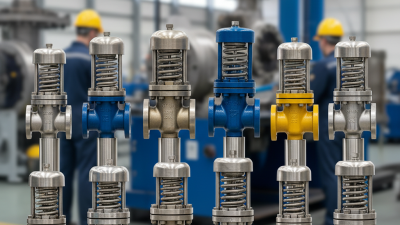
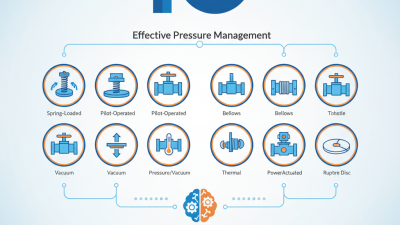
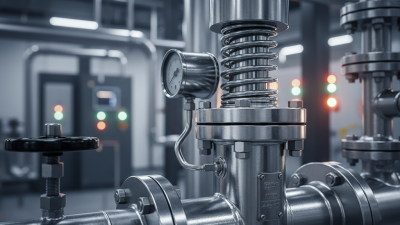
When selecting a safety relief valve, understanding the different types available is crucial. Each type serves specific applications in various industries. For instance, spring-loaded safety relief valves are commonly used in steam systems. They pop open when pressure exceeds a predetermined limit. This design is robust and simple, making it a reliable choice across many processes.
Another common type is the pilot-operated safety relief valve. These are often used in high-capacity applications, such as in chemical plants. They require a minimum pressure to remain closed, allowing for accurate control. Their complexity can also lead to higher maintenance needs. Lastly, there are balanced bellows safety relief valves, ideal for corrosive environments. They are designed to minimize the effects of back pressure, making them suitable for specific applications.
Tip: Always evaluate the fluid characteristics and operational environment before choosing a valve. Ensuring compatibility is critical for valve longevity.
Data from the American Society of Mechanical Engineers (ASME) suggests that understanding these types can reduce equipment failures by 30%. This statistic underscores the importance of making an informed choice. Remember, even small mismatches in specifications can lead to significant operational risks.
Tip: Regular maintenance checks can prevent unexpected failures. Develop a routine to monitor valve performance. Explore different types to find the best fit for your application.
Factors to Evaluate When Selecting a Safety Relief Valve Material
When choosing a safety relief valve, selecting the right material is crucial. The material directly impacts the valve's performance and reliability. Common materials include stainless steel and carbon steel. Each has unique properties that affect their suitability for different applications. For example, stainless steel offers excellent corrosion resistance, making it ideal for harsh environments. In contrast, carbon steel is more cost-effective but may not withstand extreme conditions.
A study from the American Society of Mechanical Engineers (ASME) indicates that over 50% of equipment failures are linked to improper material selection. This statistic underscores the importance of evaluating the environment where the valve will be used. Factors such as temperature, pressure, and the presence of corrosive substances need careful consideration. If the wrong material is chosen, it can lead to leaks or even catastrophic failures.
Manufacturers often provide guidelines for material selection. However, their advice might not cover every possible scenario. It’s essential to analyze specific operational requirements and conditions. Consulting with industry specialists can provide deeper insights based on extensive experience. Ultimately, making an informed choice about valve materials can enhance system safety and operational efficiency.
Sizing and Pressure Ratings: Ensuring Proper Valve Performance
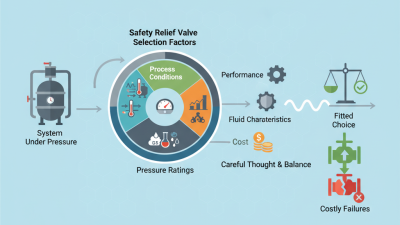
When selecting a safety relief valve, sizing and pressure ratings are critical factors. Proper sizing ensures that the valve can handle the required flow rate during overpressure situations. An undersized valve may not relieve pressure efficiently, potentially leading to catastrophic failures. According to industry standards, a relief valve should ideally exceed the system's flow requirements by at least 10% to provide a safety buffer.
Pressure ratings cannot be overlooked. They determine how much pressure the valve can safely handle. Using valves rated for pressures lower than those in your system can lead to dangerous breakdowns. The American Society of Mechanical Engineers (ASME) emphasizes that deviations in pressure rating can compromise system integrity. Therefore, systematically assessing the pressure conditions of your system against the valve's rating is essential.
Additionally, the environment where the valve is used matters. Corrosive substances and extreme temperatures can affect the valve's performance and longevity. Even if the sizing and ratings are correct, neglecting the operating environment can lead to failures. Regular maintenance checks are vital to ensure ongoing performance and safety over time. Always consider these factors to optimize the reliability of safety relief valves.
Safety Relief Valve Sizing and Pressure Ratings
Regulatory Standards and Compliance Considerations for Safety Relief Valves
When selecting a safety relief valve, adherence to regulatory standards is paramount. These valves must meet specific compliance criteria set forth by organizations such as the American Society of Mechanical Engineers (ASME). ASME's section on pressure relief devices provides essential guidelines for valve sizing, materials, and testing. Ensuring compliance can significantly minimize risks associated with high-pressure systems.
Regulatory frameworks often require performance testing and certification of safety relief valves. According to industry reports, nearly 30% of valve failures are linked to non-compliance with these standards. Ensuring that the valves are tested under varied pressure and temperature conditions is crucial. Additionally, proper documentation and traceability are essential for regulatory audits, which helps enhance accountability.
It is vital to recognize that meeting compliance standards is an ongoing process. Regular audits and maintenance checks can highlight potential issues before they escalate. Investing in training for personnel regarding safety standards can further mitigate risks. The complexities of regulations can indeed be overwhelming; however, dedicated resources toward understanding these standards lead to better safety outcomes.