2026 Best Safety Relief Valve Options for Global Buyers
Safety relief valves are essential components in various industries. They ensure the safe operation of pressure vessels and piping systems. This article explores the best safety relief valve options available for global buyers in 2026. With growing demand for reliable safety equipment, understanding these valves is crucial.
Choosing the right safety relief valve can be challenging. Many factors influence their performance, including material, set pressure, and application. Buyers must consider these aspects carefully to ensure safety and compliance.
Navigating the market involves research and expertise. Not all products are created equal. Some may fall short of industry standards. It is vital to evaluate options critically. Reviewing specifications and certifications can lead to better decisions. In this way, we can highlight the best safety relief valve options available today.
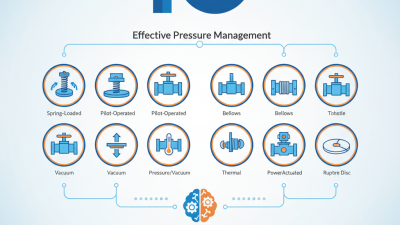
2026 Overview of Safety Relief Valve Types and Their Applications
Safety relief valves are critical components in various industries. They ensure that systems do not exceed their pressure limits. Understanding the types and their specific applications is essential for buyers. Different industries require different valve types.
For example, spring-loaded relief valves are common in oil and gas sectors. They can be used for controlling pressure in pipelines. Diaphragm safety relief valves are ideal for food and beverage applications. Their construction prevents contamination, making them reliable for sensitive environments.
Some users might overlook the maintenance of these valves. Regular inspections are crucial for safe operations. Failing to do so might lead to equipment failure. Additionally, matching the valve type to the application is not always straightforward. Operators should consider factors like temperature, pressure range, and fluid characteristics. These details will enhance the overall safety and efficiency of the system.
Key Features to Consider in Selecting Safety Relief Valves
When selecting safety relief valves, several key features are essential. Understanding the pressure relief capacity is crucial. This ensures that the valve can handle the maximum expected pressure. A valve that cannot relieve pressure effectively may lead to equipment failure. Also, consider the response time. A quick-reacting valve is important during unexpected pressure spikes.
Material selection is another vital aspect. Valves should be made from corrosion-resistant materials to ensure longevity. This is especially important in harsh environments. Additionally, check the valve's leakage rates. A valve that leaks may compromise safety and cause operational issues.
Before making a decision, it's wise to evaluate maintenance requirements. Regular maintenance can prevent unexpected failures. However, some valves may require more frequent attention than others. Engaging with experienced professionals can help clarify these needs. Despite thorough research, there might be uncertainties in your choice. Always be open to learning and revisiting your decisions based on new information.
Top Manufacturers and Suppliers of Safety Relief Valves Worldwide
When it comes to safety relief valves, choosing the right manufacturer is crucial for global buyers.
A reliable supplier often highlights their expertise in producing high-quality valves.
These valves play a key role in preventing overpressure scenarios in various industries.
The market is rich with options, yet not all suppliers maintain stringent quality control.
Buyers must research thoroughly.
One way to assess a manufacturer is through its track record.
Companies with a history of successful projects often demonstrate reliability.
Technical support and after-sales services are critical factors too.
It is essential to ensure that a supplier provides adequate guidance on installation and maintenance.
Many buyers overlook the importance of this aspect, impacting long-term operations.
Moreover, certifications can indicate a manufacturer's commitment to industry standards.
However, certification alone does not guarantee quality.
Some suppliers may hold certifications yet produce subpar products.
Thus, buyers should seek testimonials and reviews.
Reliability in safety relief valves is non-negotiable.
It requires careful selection based on experience and overall reputation.
Regulatory Standards and Compliance for Safety Relief Valves
Safety relief valves play a crucial role in industrial settings. They ensure that systems operate within safe limits. Regulatory standards are key to maintaining their effectiveness. In many regions, safety relief valves must adhere to standards set by organizations like ASME and API.
A recent report by the American Society of Mechanical Engineers highlighted that around 20% of safety incidents could be mitigated with proper compliance. Many facilities still face challenges in meeting these standards. Regular inspections and maintenance are essential but often overlooked.
The global market for safety relief valves is projected to grow significantly. According to a report from MarketsandMarkets, this growth comes from increased regulatory pressures worldwide. Compliance with standards can be complex and may require better education for staff. Some companies underestimate the importance of proper training. Regular audits can reveal gaps in compliance that need addressing. This can lead to both financial and safety risks for organizations.
Market Trends and Innovations in Safety Relief Valve Technology
The landscape of safety relief valves is evolving rapidly. Innovations in design and materials are reshaping how these critical devices operate. Modern safety relief valves are more reliable and efficient than ever before. They ensure safety while minimizing leaks and emissions. This is crucial as industries face increasing regulatory pressures.
Tips for choosing the right valve include considering the operating conditions. Assess the pressure and temperature your system will experience. Additionally, evaluate materials that resist corrosion and wear. This choice is pivotal for ensuring the longevity of your valve.
Recent trends highlight automation and smart technology integration in valve systems. Smart valves can provide real-time data monitoring. This feature enhances predictive maintenance strategies. However, reliance on technology can pose risks if not regularly updated. Revisiting maintenance schedules is essential for maximizing performance.
2026 Best Safety Relief Valve Options for Global Buyers - Market Trends and Innovations in Safety Relief Valve Technology
| Valve Type |
Material |
Set Pressure (bar) |
Orifice Size (mm) |
Weight (kg) |
Innovative Features |
| Conventional |
Stainless Steel |
10 |
40 |
5.0 |
Corrosion Resistance |
| Pilot Operated |
Bronze |
15 |
50 |
6.0 |
High sensitivity |
| Spring Loaded |
Carbon Steel |
20 |
30 |
4.5 |
Compact Design |
| Bursting Disk |
Ceramic |
25 |
25 |
3.0 |
No emissions |
| Electric Actuated |
Alloy Steel |
12 |
60 |
7.0 |
Remote Operation |