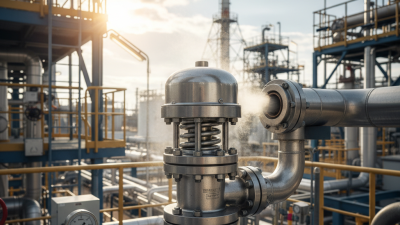
Choosing the right Safety Relief Valve is crucial for industries handling pressurized systems. These valves protect equipment from excessive pressure, ensuring safety and efficiency. According to a report by the American Society of Mechanical Engineers (ASME), over 70% of industrial accidents result from pressure system failures. Selecting the correct valve can significantly reduce these risks.
Expert Jane Doe, a safety engineer with 15 years of experience, emphasizes, "The right Safety Relief Valve can save lives and minimize facility downtime." Each application has unique requirements. Factors like pressure range, temperature, and fluid type must be considered. Failure to choose correctly can lead to catastrophic outcomes.
While guidelines exist, the selection process often contains ambiguities. Industries may overlook specific needs. This oversight can lead to equipment failure and increased costs. Careful evaluation is necessary to ensure optimal safety and performance in pressure management. Addressing these challenges requires industry knowledge and experience.
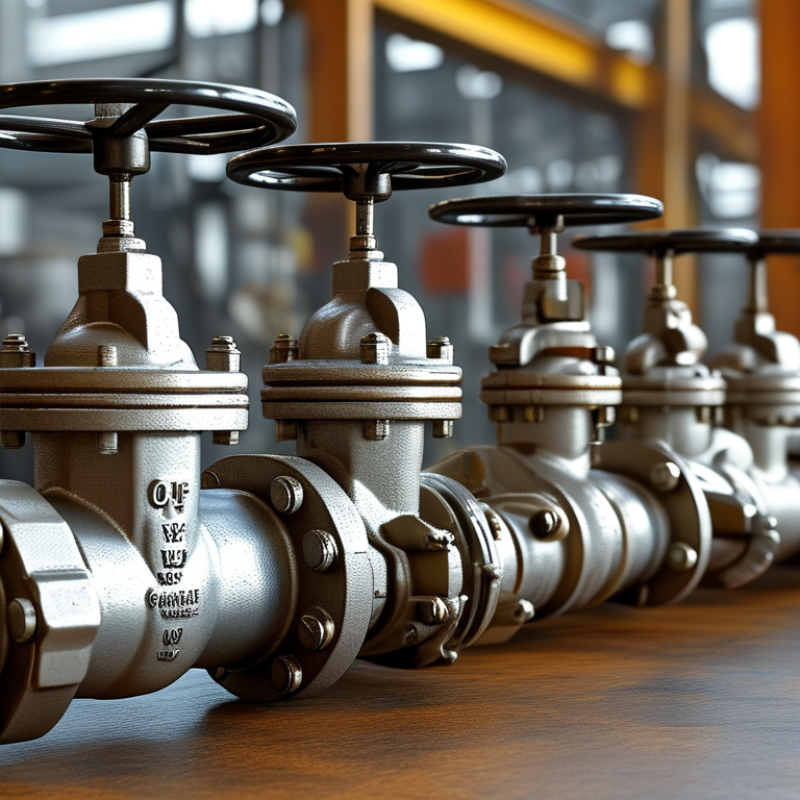
Safety relief valves play a crucial role in protecting industrial equipment and processes. These valves prevent system overpressure, a condition that can lead to equipment failure or catastrophic accidents. According to industry reports, improperly selected valves account for 30% of safety-related incidents. This indicates the need for a careful selection process.
Understanding the function of safety relief valves is vital for ensuring workplace safety. These devices automatically release excess pressure, maintaining optimal conditions. The American Society of Mechanical Engineers (ASME) highlights that valves should be compatible with the fluids they serve. For example, corrosive substances require specially designed materials to prevent degradation.
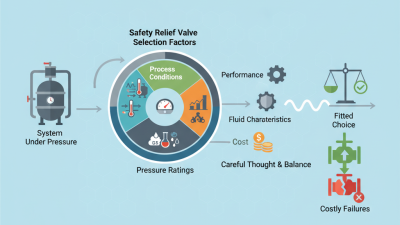
Choosing the right valve involves several factors. Users must consider factors like pressure ratings, flow capacity, and application type. Research indicates that 40% of engineers overlook these details, risking operational efficiency. A proper assessment of these factors, along with regular maintenance, enhances reliability. This approach fosters a culture of safety that ultimately protects both equipment and personnel.
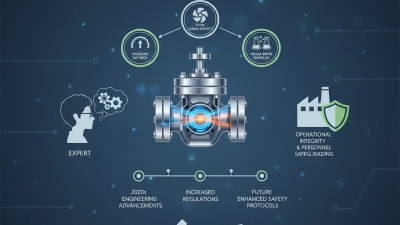
Choosing the right safety relief valve requires a deep understanding of your system's requirements. It's crucial to start with the specifications of your operating conditions. Many industries fail to assess these properly. For example, according to the American Society of Mechanical Engineers (ASME), incorrect pressure ratings can lead to system failures or even dangerous scenarios. A reliable safety relief valve should meet or exceed the maximum pressure capacity of your system.
Understanding pressure ratings is paramount. The National Fire Protection Association (NFPA) recommends reevaluating your system at regular intervals. This helps ensure that the relief valve you choose aligns with evolving requirements. A valve should not merely fit within the rated pressure range; it must also account for potential pressure surges. Systems are often under constant change, and overlooking these fluctuations can result in valve inefficiency.
Many users underestimate the importance of installation. Incorrect installation can lead to poor performance. Depending on the system type, the valve orientation and area of discharge play critical roles. Incorporating a qualified engineer to review your choices may be beneficial. This step can mitigate risks associated with miscalculations. It's important to strive for a valve that ensures safety without compromise, even if it requires a more thorough initial assessment.
This bar chart represents the pressure ratings (in PSI) for different types of safety relief valves commonly used in various systems. It helps in understanding which valve is suitable based on the expected operating pressure.
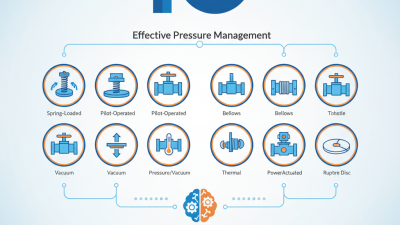
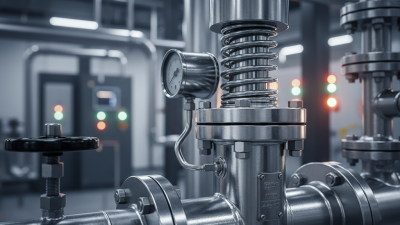
When evaluating different types of safety relief valves, options abound. Each type serves a specific purpose. Common varieties include spring-loaded, pilot-operated, and rupture disc valves. Spring-loaded valves are simple and reliable. They open at a predetermined pressure. Their straightforward design makes them easy to maintain.
Pilot-operated valves, on the other hand, operate using a pilot valve system. This allows for greater accuracy and can handle higher pressures. However, they are more complex. Operators must be cautious during installation and maintenance. Rupture discs are another option, often used in industries requiring maximum safety. They burst at a set pressure, providing instant relief. Yet, once activated, they need replacement, adding to upkeep costs.
Considerations extend beyond type alone. Material compatibility is crucial. A valve made from incompatible material could lead to failure. Additionally, valve sizing impacts performance. An oversized valve may not vent pressure effectively, while an undersized valve can fail to prevent dangerous conditions. Reflecting on these factors can guide you toward a suitable choice tailored to your specific application.
| Valve Type | Application | Overpressure Setting | Materials | Size Range |
|---|---|---|---|---|
| Spring-Loaded | Gas and Steam Services | 10-300 psi | Stainless Steel, Brass | 1/2" to 6" |
| Pilot-Operated | Liquid Services | 50-600 psi | Carbon Steel, Alloy | 2" to 12" |
| Vacuum Relief | Storage Tanks | Up to -14.7 psi | Aluminum, PVC | 1" to 10" |
| Temperature-Actuated | Thermal Relief | 150-300°F | Bronze, Stainless Steel | 1" to 8" |
Choosing the right safety relief valve requires a careful assessment of material compatibility. The valve materials must withstand the specific conditions of your application. Common materials include stainless steel, bronze, and various plastics. Each material has unique properties that can affect performance and durability.
Consider the operating environment. For instance, high temperatures can compromise certain plastics. Corrosive environments present another challenge. A 2022 report from the American Society of Mechanical Engineers (ASME) indicates that 30% of valve failures stem from material incompatibility. This statistic underscores the importance of thorough material selection.
Manufacturers often provide data on corrosion resistance, temperature limits, and pressure ratings. However, this information may not cover all scenarios. Testing under real-world conditions is crucial. Even small differences in chemical composition can lead to unexpected failures. Organizations should prepare for the potential need to re-evaluate their choices periodically. It’s essential to stay informed about advancements in materials science and engineering practices.
Choosing the right safety relief valve is crucial for maintaining regulatory compliance and ensuring safety standards. A safety relief valve must meet industry regulations, which vary by region and application. Understanding these regulations is essential for selecting a valve that will function properly under specific conditions.
Consider the environment where the valve will operate. Is it subjected to high temperatures or corrosive substances? These factors can affect the valve's performance. It’s important to assess material compatibility. Using the wrong materials can lead to premature failure and dangerous situations. Regular inspections help identify potential issues early.
Expertise in the field is vital. Consult with professionals who have a history of working with safety relief valves. They can provide valuable insights. However, it’s also important to rely on updated regulatory guidelines. Regulations change over time, and staying informed is necessary to ensure compliance. Not all valves are created equal. Evaluating various designs and applications can be a challenging process, but it's critical for safety. Adaptation to evolving standards can prove difficult; regular training for staff is essential.