Explore trusted rig components for global markets
Fllow us:

Leave Your Message

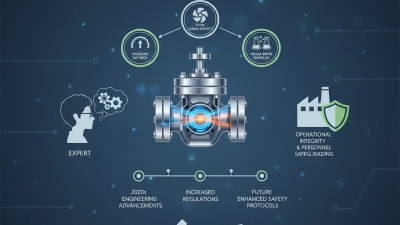
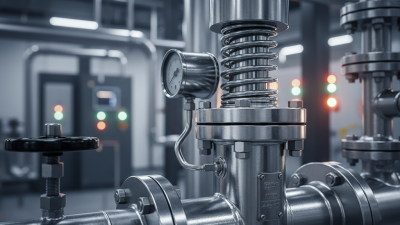
When considering safety equipment, the safety relief valve stands out as a critical component in protecting systems from overpressure. Experts in the industry stress its importance. Dr. Emily Carter, a renowned engineer in fluid dynamics, once stated, “A properly functioning safety relief valve can be the difference between a minor issue and a catastrophic failure.” This highlights the potential repercussions of neglecting valve selection and maintenance.
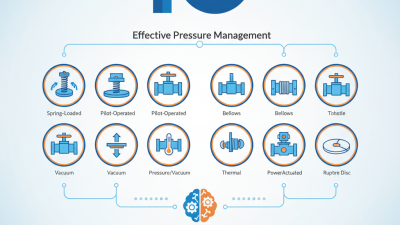
For global buyers navigating the diverse landscape of safety relief valves, understanding product specifications is essential. The market features various materials and designs tailored to specific applications. Each valve type serves a distinct purpose, making informed choices imperative. Buyers should not overlook the necessity for rigorous testing and compliance with international safety standards.
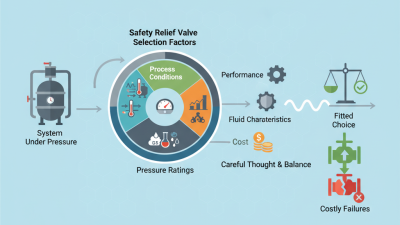
Moreover, the options available can sometimes be overwhelming. It’s important to question whether the market offers the right balance between affordability and reliability. Some cheaper alternatives may seem appealing but could pose significant risks. Reflecting on past incidents in the industry reveals that cost-cutting can ultimately lead to greater expenses and hazards. Choosing the right safety relief valve requires careful consideration and expertise, underscoring the necessity for knowledge in this area.

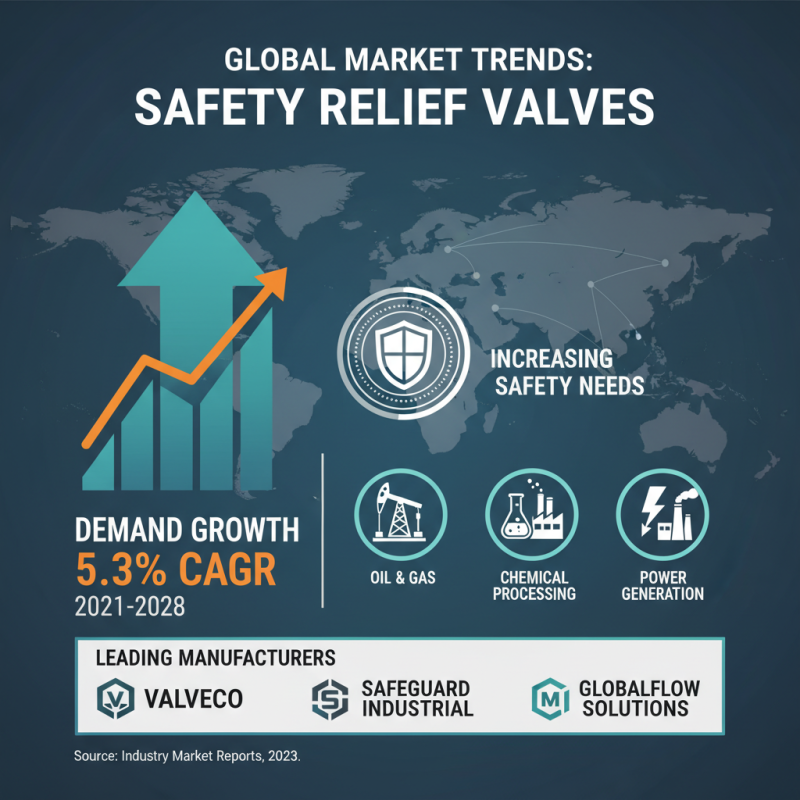
When selecting safety relief valves, global buyers face diverse options that meet various industry standards. According to a recent report by MarketsandMarkets, the global safety relief valve market is projected to reach $4.14 billion by 2025. This rapid growth highlights the increasing importance of safety mechanisms in process industries. An effective valve can prevent equipment failure and ensure safety compliance, making it vital to consider the right specifications.
Common materials used in safety relief valves include stainless steel, bronze, and plastic. Buyers should focus on these materials for durability and corrosion resistance. The choice can depend on the operating environment, such as temperature and pressure conditions. Moreover, the size and pressure rating of the valve must align with the system's requirements. Not all valves are created equal; choosing one that fits specific applications requires expertise. Inadequate knowledge can lead to costly mistakes.
As industries evolve, continuous monitoring and testing of safety relief valves are essential. Regular maintenance can reveal wear and prevent failures. However, many organizations overlook this critical practice. A study by IBISWorld indicated that nearly 30% of companies fail to conduct regular valve inspections. This neglect can lead to dangerous situations and increased liability. Buyers should prioritize reliability over price, ensuring long-term safety and efficiency.
| Valve Type | Pressure Rating (PSI) | Material | Size (Inches) | Temperature Range (°F) | Application |
|---|---|---|---|---|---|
| Spring Loaded | 0-300 | Stainless Steel | 1-2 | -20 to 350 | Chemical Processing |
| Pilot Operated | 0-600 | Brass | 2-4 | -40 to 250 | Water Systems |
| Safety Relief | 0-1500 | Cast Iron | 4-6 | -10 to 300 | Oil & Gas |
| Vacuum Relief | -1 to 0 | Aluminum | 1.5-3 | -20 to 200 | Storage Tanks |
| Temperature Relief | 0-200 | Carbon Steel | 1-4 | 0 to 250 | HVAC Systems |
The article examines the best safety relief valve options for global buyers, emphasizing the importance of understanding the different types and applications of safety relief valves. It highlights key performance metrics, such as pressure ratings and flow coefficients, which are crucial for selecting the right valve for specific industrial needs. Additionally, the article discusses global market trends, including demand statistics and leading manufacturers in the safety relief valve sector.
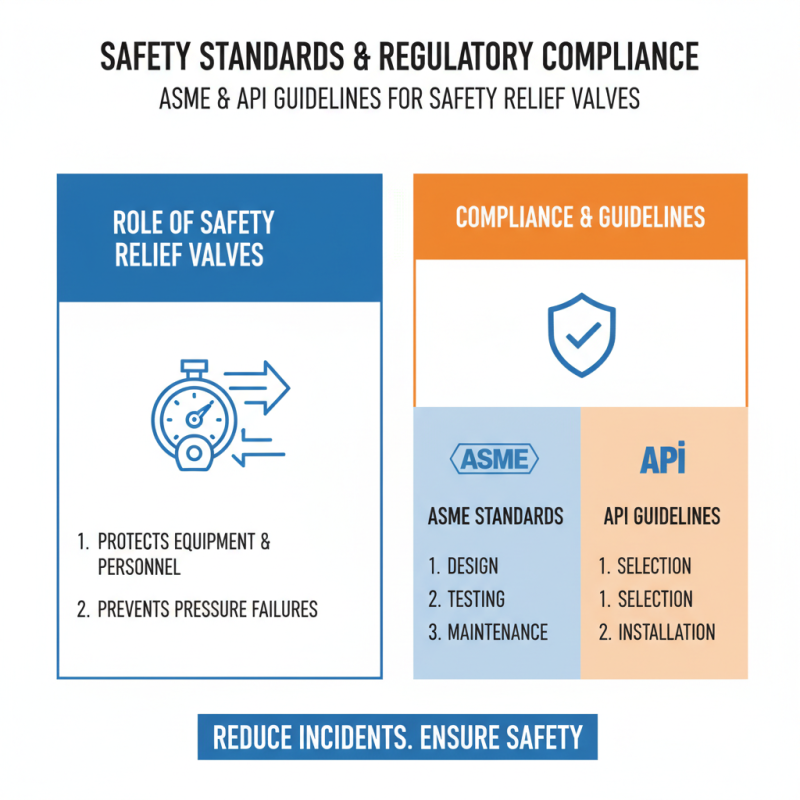
Furthermore, compliance with safety standards and regulations, such as ASME and API guidelines, is addressed to ensure that buyers are well-informed about essential safety requirements. A cost-benefit analysis is also presented, guiding users in evaluating the long-term investment in quality safety relief valves versus cost considerations. Overall, the article serves as a comprehensive guide for global buyers seeking to make informed decisions regarding safety relief valves in their operations.