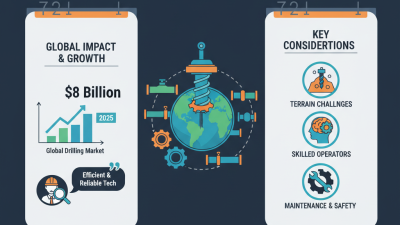
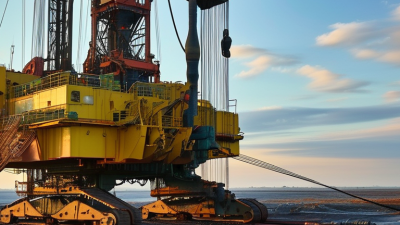
Well drilling equipment is crucial in the energy sector. According to the International Association of Drilling Contractors, the global drilling equipment market is expected to reach $37 billion by 2025. This growth highlights the importance of choosing the right equipment for efficient operations. Experts stress that quality directly impacts project success.
Dr. Emily Turner, an authority in drilling technology, states, "Selecting the right well drilling equipment can make or break a project’s efficiency and cost-effectiveness." This emphasizes the need for informed decisions in equipment selection. A poorly chosen tool can lead to project delays, increased costs, and operational inefficiencies.
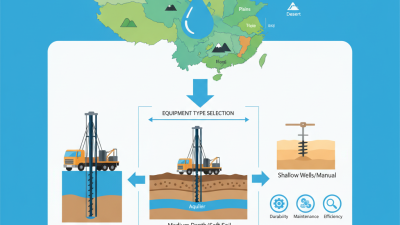
When evaluating well drilling equipment, one must consider various factors, including purpose, terrain, and budget. Each project varies in its drilling needs, which adds complexity to this decision-making process. Reflecting on these elements can guide industry professionals toward effective choices that ensure successful outcomes.
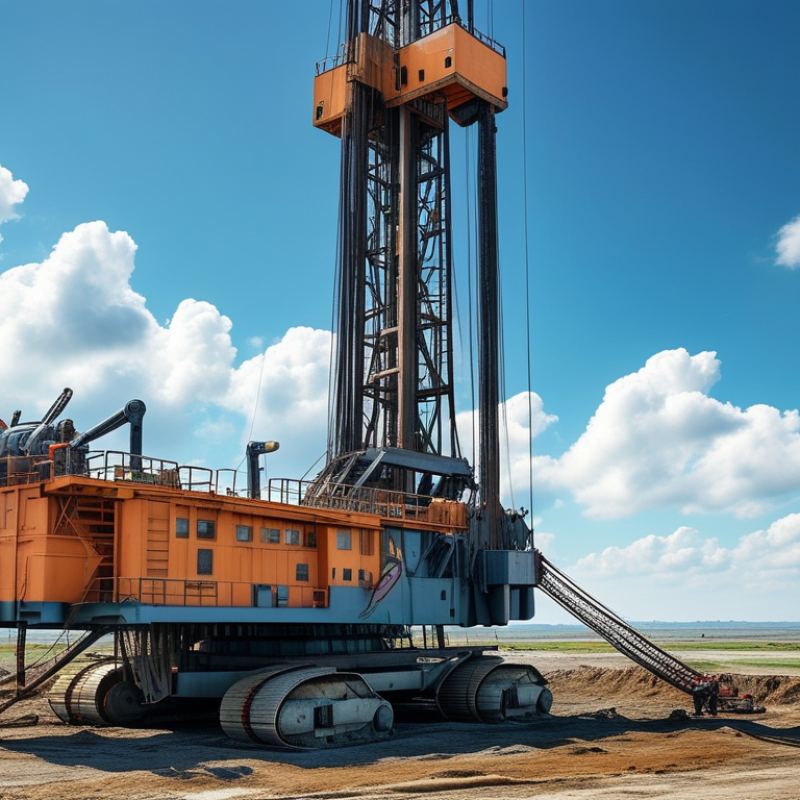
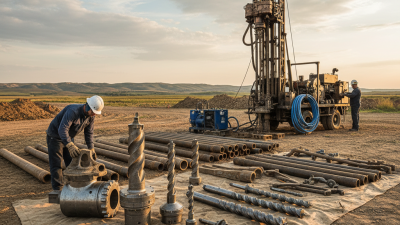
Well drilling equipment is essential for accessing underground water sources. This equipment includes various tools and machinery designed to bore into the earth. Each piece of equipment plays a critical role in the drilling process. For example, drill bits, casing pipes, and pumps are fundamental components. Understanding their functions helps in making informed choices.
Choosing the right equipment involves considering your specific needs. The type of soil and depth of water play significant roles. Sandy soil may require different equipment than rocky terrain. Want to drill deeper? A more powerful drilling rig is necessary. It’s important to weigh the pros and cons of each option. Sometimes, the best solution may not be the most expensive.
Drilling projects can be complex and require expert knowledge. Experience in dealing with different soil types will inform your choices. Equipment maintenance is another vital aspect. Poor maintenance can lead to delays and increased costs. Therefore, investing time in understanding how each piece of equipment works is worthwhile. Learning occurs through both successes and mistakes in the field.
| Equipment Type | Description | Key Features | Considerations |
|---|---|---|---|
| Drilling Rig | A machine that creates boreholes for water, oil, natural gas, etc. | Mobility, Depth Capability, Power Source | Site accessibility, Type of drilling, Depth requirements |
| Air Compressor | Provides high-pressure air for drilling operations. | Pressure Output, Portability, Noise Level | Power availability, Size, Gas quality |
| Drilling Bits | Tools used to cut through the ground during drilling. | Material (Diamond, Steel), Size, Shape | Rock type, Desired borehole diameter |
| Mud Pumps | Circulate drilling fluid to cool the bit and remove cuttings. | Flow Rate, Pressure Rating, Type (Piston, Centrifugal) | Fluid density, Pump maintenance, Power Needs |
| Drilling Accessories | Includes various tools like casing, collars, and joints. | Durability, Compatibility, Size | Soil conditions, Type of well being drilled |
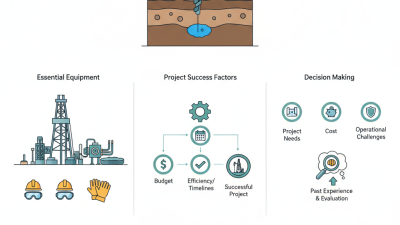
When discussing well drilling equipment, it’s essential to understand the various types available and their specific functions. Drilling rigs are at the forefront. These machines are crucial for penetrating the earth's surface. They come in mobile and stationary varieties, each serving different projects. Mobile rigs are versatile, ideal for remote locations. Stationary rigs offer stability and power for larger endeavors.
Next, drill bits play a vital role in the drilling process. They vary in design and material, crafted for specific geological conditions. For instance, diamond bits excel in hard rock drilling, while tricone bits are effective for softer materials. Selecting the right bit influences drilling efficiency and cost.
Another important element is the circulation system. This system includes pumps and hoses to manage drilling fluid. It cools the drill bit and removes cuttings from the borehole. A robust circulation system can significantly enhance drilling performance. Ensuring compatibility among all equipment components is crucial for project success. Each piece must work seamlessly to avoid delays and additional costs. Understanding these elements helps in making informed choices about well drilling equipment.
When choosing well drilling equipment, key features are critical. You must evaluate several factors, such as depth capability, type of drilling method, and the soil type. Industry reports indicate that approximately 40% of drilling failures stem from inappropriate equipment choice. This highlights the importance of aligning equipment specifications with project needs.
Tip: Always assess the geological conditions before selecting your gear. The right equipment for rocky terrains differs greatly from that used in softer soils. Consult geological surveys to inform your decision.
Consider the weight and portability of your drilling rig. Lighter models are easier to transport, but they may not be suitable for deeper wells. Equipment should also allow for easy maintenance. According to a 2022 industry survey, well-maintained drill rigs can last up to 20% longer than neglected models. When selecting equipment, look for user-friendly maintenance features.
Tip: Review warranties and service options. Reliable customer support can greatly influence the longevity and efficiency of your equipment. Always factor in future needs when making your choice, as evolving project demands may necessitate a different approach.
Choosing the right well drilling equipment is crucial for project success. Several factors can influence this decision. The type of soil and rock formations is one significant aspect. Understanding the geology of your drilling location helps select appropriate tools. Equipment designed for hard rock will differ from what's ideal for soft soil.
Tips: Always conduct soil tests before making equipment choices. This can save time and resources down the line.
Another consideration is the depth of the well. Deeper wells require more powerful rigs and specific drill bits. Each depth has its own challenges. Make sure to research the power requirements needed to operate effectively.
Tips: Consult with experienced drilling professionals to gain insights on equipment for specific depths. Their knowledge can guide your choices.
Lastly, assess the budget for your drilling project. Higher-quality equipment may offer better efficiency, yet it can come at a steep price. Balancing cost and quality is essential.
Tips: Keep in mind that rental options might be viable. This can provide access to high-quality equipment without the upfront investment.
Well drilling equipment requires careful maintenance to ensure it operates efficiently. According to the National Ground Water Association, regular maintenance can increase the lifespan of drilling rigs by up to 30%. Keeping equipment clean is crucial. Dirt and debris can cause wear and tear. Regular lubrication of moving parts can significantly reduce friction and prolong functionality.
Inspecting hydraulic systems is essential. Leaks can lead to operational failures. The American Petroleum Institute notes that nearly 20% of equipment failure is due to neglected hydraulic maintenance. Operators should check fluid levels and replace filters regularly. Documenting maintenance activities helps in tracking performance trends and identifying potential issues early on.
Training for staff on proper usage and maintenance is vital. Many accidents stem from misuse rather than equipment flaws. Investing in training sessions pays off in reduced downtime. In practice, even minor adjustments can prevent major repairs. Understanding the nuances of well drilling equipment can make a difference. Regular attention to detail is paramount for longevity.