Top Oil Drilling Equipment from China for Global Buyers?
In today's rapidly evolving oil drilling industry, the demand for reliable and innovative Oil Drilling Equipment has surged. John Smith, a renowned expert in petroleum engineering, recently stated, "Quality equipment is the backbone of successful drilling operations." This highlights the critical role that advanced technology and robust machinery play in meeting global energy needs.
China has emerged as a key player in the production of high-quality oil drilling equipment. Their state-of-the-art technology and competitive pricing attract global buyers. Companies worldwide seek dependable tools that enhance efficiency and safety. However, challenges remain. Ensuring consistent quality control can be difficult amidst rising competition.
As the market evolves, global buyers must navigate this landscape carefully. Understanding the strengths and potential shortcomings of suppliers is vital. The right equipment can lead to success, while the wrong choice may result in costly setbacks. This complexity shapes the ongoing dialogue around sourcing Oil Drilling Equipment.
Overview of the Oil Drilling Equipment Market in China
The oil drilling equipment market in China is rapidly growing. According to a recent report by Research and Markets, the sector is expected to expand at a compound annual growth rate (CAGR) of 7.5% from 2021 to 2027. This growth is driven by increased demand for energy resources and advancements in technology.
China is home to various manufacturers specializing in drilling rigs, mud pumps, and related tools. Many of these companies utilize innovative materials to enhance durability and efficiency. However, quality control remains a challenge, and buyers should prioritize reliable suppliers. The market is cluttered, making it difficult to discern top-tier options from others.
Additionally, a study by Mordor Intelligence highlights a significant push toward sustainable practices in drilling. This shift could impact traditional extraction methods, prompting companies to adopt greener technologies. Buyers should be aware of these trends as they seek equipment that meets stricter environmental standards. Overall, the oil drilling equipment landscape in China presents opportunities and hurdles alike.
Key Players in the Chinese Oil Drilling Equipment Industry
The Chinese oil drilling equipment industry is a significant player in the global market. According to a recent report by Research and Markets, the market is expected to grow at a compound annual growth rate (CAGR) of 5.4% from 2022 to 2027. This growth is driven by increasing energy demands and advancements in drilling technology.
Key players in this industry focus on innovation and efficiency. Many Chinese manufacturers are investing heavily in research and development. However, challenges persist. Issues such as quality control and environmental standards often arise. A 2022 survey indicated that 45% of buyers are concerned about the reliability of equipment. Addressing these quality concerns is crucial for maintaining global competitiveness.
In addition to technological advancements, collaboration with international partners is essential. This approach can enhance skill sets and improve product standards. The integration of global practices could address some domestic shortcomings. Reports suggest that partnerships can lead to a 30% increase in operational efficiency. As the market evolves, China's position in the global landscape will depend on its ability to adapt and resolve these ongoing issues.
Innovative Technologies in Chinese Oil Drilling Equipment
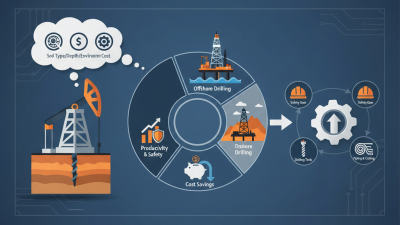
Chinese oil drilling equipment has gained recognition for its innovative technologies, enhancing efficiency and productivity in the industry. Reports indicate that China holds a significant share of the global oil drilling market, leveraging advancements in various drilling methods such as horizontal and deep-water drilling. These methods not only improve access to hard-to-reach oil reserves but also minimize environmental impacts.
One key innovation is the use of automation and artificial intelligence in drilling operations. Data shows that automated drilling rigs can reduce operational costs by up to 20%. Moreover, predictive maintenance technologies have emerged, allowing operators to anticipate failures before they occur. This proactive approach leads to reduced downtime and improved safety on drilling sites.
However, challenges remain in the adaptation and integration of these technologies. Some operators still rely on outdated practices, hindering efficiency. There is a need for ongoing training and development to harness the full potential of these advancements. Industry experts emphasize the importance of continuous innovation and adaptation to meet the demands of a competitive market. The evolution of Chinese oil drilling equipment clearly reflects a commitment to technological progress, even as the sector faces obstacles in widespread implementation.
Top Oil Drilling Equipment from China
This chart illustrates the market share of various innovative oil drilling equipment technologies used globally, highlighting the advancements from China.
Global Demand for Chinese Oil Drilling Equipment
As global demand for oil continues to rise, the need for efficient and reliable drilling equipment becomes essential. Chinese manufacturers have become key players in this market. Their equipment is known for its durability and advanced technology. Buyers worldwide are increasingly looking to China to meet their oil drilling needs.
Tips: When sourcing equipment, prioritize suppliers with proven track records. Research reviews and seek recommendations where possible. This will help in identifying reliable manufacturers that align with your project requirements.
The competition among Chinese oil drilling equipment providers is fierce. This leads to innovation and better pricing strategies. However, not all products guarantee performance. It's essential to evaluate specifications thoroughly. Avoid making hasty decisions based solely on cost; quality is paramount.
Tips: Always ask for product demonstrations or case studies. Understanding how equipment performs in real scenarios is crucial for making informed purchases. This approach can save significant resources in the long run.
As global demand for oil continues to rise, the need for efficient and reliable drilling equipment becomes essential. Chinese manufacturers have become key players in this market. Their equipment is known for its durability and advanced technology. Buyers worldwide are increasingly looking to China to meet their oil drilling needs.
Tips: When sourcing equipment, prioritize suppliers with proven track records. Research reviews and seek recommendations where possible. This will help in identifying reliable manufacturers that align with your project requirements.
The competition among Chinese oil drilling equipment providers is fierce. This leads to innovation and better pricing strategies. However, not all products guarantee performance. It's essential to evaluate specifications thoroughly. Avoid making hasty decisions based solely on cost; quality is paramount.
Tips: Always ask for product demonstrations or case studies. Understanding how equipment performs in real scenarios is crucial for making informed purchases. This approach can save significant resources in the long run.
Regulatory Standards and Quality Assurance in Oil Drilling Equipment
In the oil drilling equipment industry, regulatory standards play a crucial role. These standards ensure that equipment is safe and efficient. Many countries have specific regulations that manufacturers must follow. Compliance with these regulations can impact market access for suppliers. Buyers must prioritize equipment built to meet or exceed these norms.
Quality assurance is another vital aspect. It involves rigorous testing and inspection processes. Manufacturers should implement strict quality control measures throughout production. This not only enhances equipment reliability but also fosters trust between buyers and suppliers. However, discrepancies in quality levels can arise. Regular updates to quality standards can create additional challenges.
The landscape of oil drilling equipment is ever-evolving. Buyers need to stay informed about emerging regulations and best practices. Engaging with experts can provide valuable insights into current market trends. Yet, the rapid pace of change can be daunting. Continuous education and adaptation are necessary for successful procurement strategies.