Top Drilling Mud Pumps for Efficient Oil and Gas Operations?
The efficiency of oil and gas operations heavily relies on reliable equipment. Drilling Mud Pumps play a vital role in this process. According to a recent report from the International Energy Agency (IEA), optimized drilling practices can enhance production rates by up to 25%. This underscores the importance of selecting the right pumps for drilling.
Expert in drilling technologies, Dr. Alan Carter, once stated, "The right drilling mud pump can significantly influence the overall performance of drilling operations." His insight highlights the need for operators to focus on reliable and efficient mud pumps. In a landscape where drilling operations face increased pressure to reduce costs while maximizing output, this selection cannot be taken lightly.
The variety of available Drilling Mud Pumps can be overwhelming. From positive displacement to centrifugal types, each has specific applications. Choosing poorly can lead to significant downtime. Additionally, drilling mud composition is crucial. This ensures the selected pumps can handle the specific fluids used, maintaining both performance and safety. It’s essential for operators to engage in continuous evaluation and improvement of their pump technologies to stay competitive.
Overview of Drilling Mud Pumps in Oil and Gas Industry
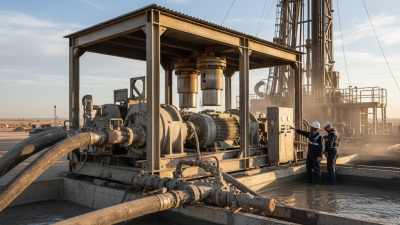
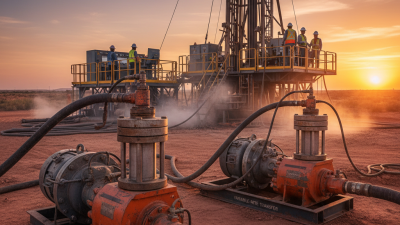
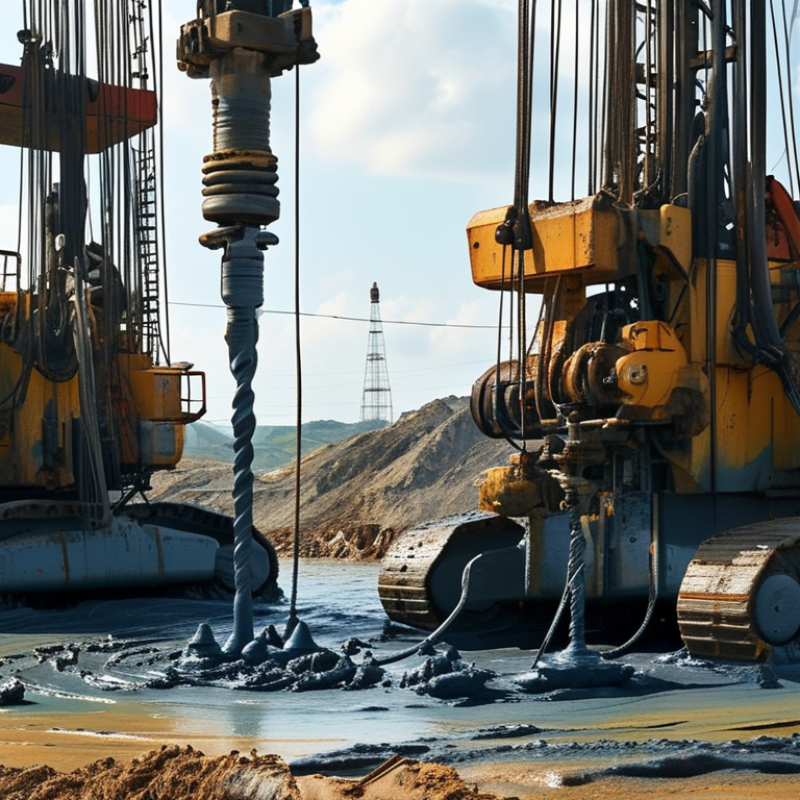
Drilling mud pumps play a crucial role in the oil and gas industry. These pumps circulate drilling fluid, or mud, to maintain pressure, cool the drill bit, and carry rock cuttings to the surface. Their efficiency directly impacts the overall performance of drilling operations. A reliable pump ensures that project timelines are adhered to and operational costs are minimized.
The design of drilling mud pumps is critical for their functionality. They must handle various mud types, including high-viscosity options, which can be challenging. Additionally, pumps should withstand high pressures while maintaining a consistent flow rate. Many operators struggle to balance pump durability with the need for efficiency. This often leads to frequent maintenance, which interrupts operations and increases costs.
Choosing the right pump requires careful consideration of specific drilling conditions and fluid properties. Operators must evaluate how these factors influence pump selection. There is often a gap between understanding pump specifications and real-world application. This disconnect can result in choosing a suboptimal solution, leading to inefficiencies. Industry professionals must continually seek knowledge to improve their decision-making process in this area.
Types of Drilling Mud Pumps and Their Applications
Drilling mud pumps are essential in oil and gas operations. They circulate drilling mud to cool the drill bit and remove cuttings. There are three main types of pumps: centrifugal, positive displacement, and diaphragm. Each type has unique applications and performance benefits that impact efficiency.
Centrifugal pumps are widely used due to their simplicity. They maintain a steady flow, making them ideal for large-scale drilling operations. However, their inability to handle high viscosity mud can be a drawback. Positive displacement pumps offer robust solutions for handling thick drilling fluids. They excel in high-pressure situations but may require more maintenance.
Diaphragm pumps are known for their versatility. They work well with various fluid types, including those with solids. Yet, they tend to have lower flow rates compared to centrifugal pumps. Understanding each pump’s strengths and weaknesses is vital for selecting the right one. Operators should evaluate their specific needs before making a decision.
Top Drilling Mud Pumps for Efficient Oil and Gas Operations
| Pump Type |
Flow Rate (GPM) |
Pressure (PSI) |
Power (HP) |
Common Applications |
| Centrifugal Pump |
100-1000 |
50-500 |
10-150 |
Circulation, Mixing |
| Positive Displacement Pump |
50-800 |
30-300 |
5-100 |
Mud Circulation, Frac Fluid |
| Triplex Pump |
150-1500 |
250-3000 |
30-400 |
Drilling, Well Services |
| Diaphragm Pump |
20-400 |
15-150 |
1-25 |
Chemical Injection, Low-Viscosity Mud |
Key Features for Efficient Drilling Operations
When it comes to drilling operations, the choice of mud pumps plays a pivotal role. Efficient mud pumps ensure optimal circulation of drilling fluids, which is essential for maintaining wellbore stability and enhancing drilling performance. Key features to consider include pump capacity and pressure ratings. These metrics directly influence the pump's ability to handle diverse drilling conditions.
Reliability is another crucial aspect. High-quality mud pumps should withstand harsh environments and consistent use. This reliability minimizes downtime and boosts overall operational efficiency. Moreover, ease of maintenance can’t be overlooked. Regular maintenance is vital for longevity, but a design that facilitates quick repairs can save both time and costs. Robust construction using durable materials can also help extend the life of the equipment.
It's important to recognize that not all mud pumps are created equal. Some may excel in specific conditions while underperforming in others. This variability can lead to unexpected challenges. Each drilling operation comes with unique demands, so assessing the specific needs beforehand is critical. Engaging with experts can provide insights, but continuous evaluation of pump performance against operational goals is equally essential for success in the field.
Performance Metrics to Evaluate Mud Pumps
When evaluating drilling mud pumps, performance metrics are crucial. Key aspects include flow rate, pressure capacity, and durability. The flow rate measures the volume of drilling fluid the pump can handle. A higher flow rate indicates better performance under demanding conditions.
Pressure capacity is another important metric. It refers to the maximum pressure the pump can sustain. This ensures efficient circulation and prevents downtime during operations. Durability, on the other hand, reflects how well the pump can withstand harsh environments. Frequent maintenance or breakdowns can increase operational costs significantly.
To optimize your selection process, consider these tips. Always review user feedback and historical performance data. This will provide insights into real-world efficiency. Additionally, assess whether the pump fits your project's specific demands. Not all pumps are built for the same challenges, and the right choice can enhance overall productivity. Aim for a balance between cost and reliability. Investing in a higher-quality pump may lead to fewer issues over time.
Trends and Innovations in Drilling Mud Pump Technology
The landscape of drilling mud pump technology is rapidly evolving. Innovations are focused on enhancing efficiency and reducing downtime. Advanced materials are now used to increase durability. Pumps are designed to withstand harsh conditions found in oil and gas operations. These improvements lead to longer service lifetimes. Operators are often amazed at the performance boosts these innovations can offer.
Digitalization plays a critical role in modern pumping systems. Smart sensors provide real-time data on performance and condition. This data allows for predictive maintenance, reducing failures. While the advantages are clear, challenges remain in implementing these technologies. Some teams may lack the necessary skill sets for analysis. A gap in training can hinder the full potential of these advancements.
Additionally, energy efficiency is a major trend. Newer pumps consume less power while delivering the same output. However, adopting these technologies requires significant investment. There is a constant push and pull between cost and performance. As the industry evolves, companies must assess their readiness. Balancing innovation with practicality is essential for future success.