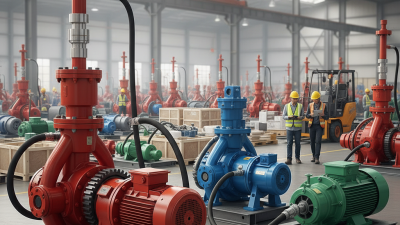
Drilling Mud Pumps play a crucial role in the drilling industry. These pumps are essential in transporting drilling fluid to the wellbore. Without them, the drilling process would face significant challenges. They manage the circulation of drilling mud, ensuring that it returns to the surface. This fluid cools the drill bit and lifts cuttings out of the well.
The operation of Drilling Mud Pumps involves complex mechanics. They must maintain high pressure to ensure efficient fluid movement. However, issues can arise, leading to mechanical failures or inefficiencies. Understanding these challenges is vital for operators. Regular maintenance can prevent costly downtime.
As experts in drilling technology, we see the importance of reliable pumps. Proper selection and operation of Drilling Mud Pumps can significantly impact project success. Clear communication about their condition is essential. While they are powerful tools, they require constant attention and improvement to operate effectively.
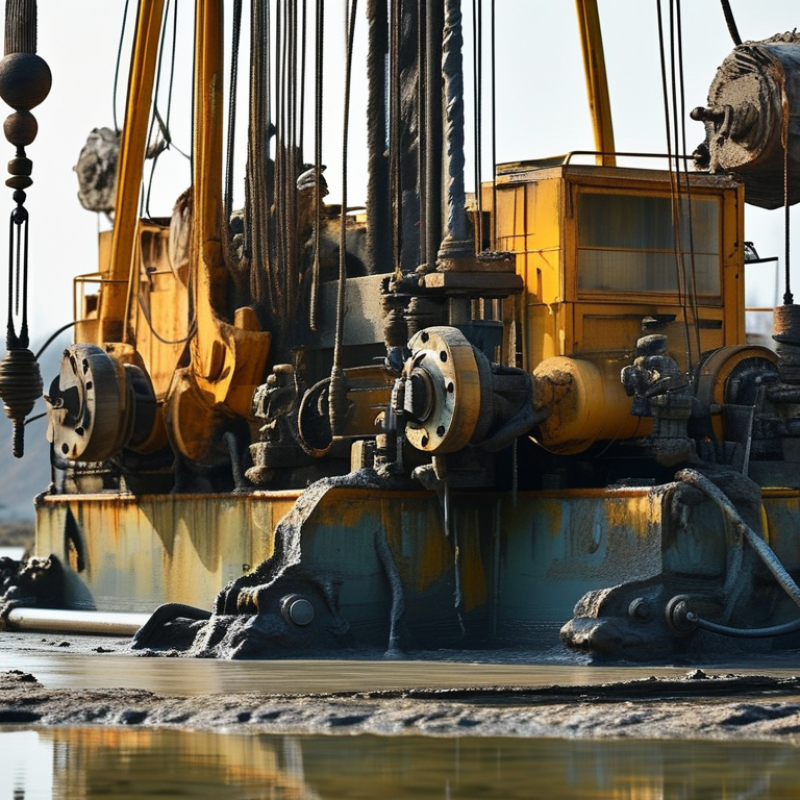
Drilling mud pumps play a vital role in the drilling process. These pumps circulate drilling fluids, known as mud, to cool the drill bit and remove rock cuttings. Understanding their function can enhance operational efficiency.
When mud is pumped, it creates pressure, ensuring a continuous flow. This flow helps maintain wellbore stability by counteracting the pressure from surrounding formations. A consistent mud flow assists in effective cutting removal, preventing blockages and costly delays.
Tips: Regular maintenance of pumps is key. Check for wear and tear frequently to avoid unexpected breakdowns. Training staff on pump operation can improve performance and safety.
While drilling mud pumps are reliable, they can face issues. Clogged filters or worn-out components may reduce efficiency. Keep an eye on performance metrics and recalibrate as needed. A proactive approach can save time and resources over the long term.
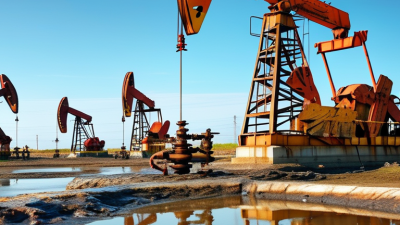
In the drilling industry, several types of mud pumps are integral for efficient operations. The most common types include triplex pumps, duplex pumps, and piston pumps. Triplex pumps are often favored for their efficiency and ability to maintain steady pressure. They operate using three cylinders working in sequence, ensuring a smooth flow of drilling mud. Duplex pumps, on the other hand, utilize two cylinders and are known for their robustness. They are ideal for heavy-duty applications. Piston pumps offer high pressure and are often used in specialized conditions.
When selecting a drilling mud pump, consider the specific requirements of your site. The viscosity of the drilling mud, pumping rates, and pressure needs will influence your choice. Ensure that you assess the pump's material compatibility with the drilling fluid, as this impacts longevity and performance.
Regular maintenance is essential for optimal pump function. Monitor the pump’s performance to catch any irregularities early. Over time, wear and tear can diminish effectiveness, so proactive checks are beneficial. Address minor issues before they escalate to major problems. The balance between power and efficiency should guide your operational decisions. It’s crucial to reflect on the long-term benefits of quality equipment versus the immediate costs.
Drilling mud pumps play a critical role in drilling operations, ensuring efficient circulation of drilling fluids. These pumps are designed to handle the high viscosity of drilling mud, which typically contains clay, water, and various additives. The function of a mud pump is to pump this mixture down the drill string and back up the annulus to the surface. This process helps remove cuttings from the wellbore, cool the drill bit, and maintain hydrostatic pressure.
Operating at high pressures, drilling mud pumps are categorized into triplex, duplex, and quintuplex designs. According to the International Association of Drilling Contractors, effective mud circulation is crucial for maintaining the stability of the well. A consistent flow rate of 500 GPM (gallons per minute) is often required in many drilling operations to ensure efficiency and safety.
Attention to maintenance is vital. Mud pumps can experience wear and tear, affecting their performance. Operators must monitor fluid displacement and pressure gauges closely. This ensures that the pumps operate efficiently and minimizes downtime. Regular checking of the wear parts can prevent costly failures.
Consider these tips: ensure proper calibration of pump settings to match drilling conditions. Training crew members on pump operations can enhance efficiency and safety. Regularly scheduled maintenance checks can prolong the lifespan of the equipment. Each improvement can lead to significant cost savings in the long run.
Drilling mud pumps play a crucial role in the drilling process. These pumps are responsible for circulating drilling fluid, also known as mud, through the drilling system. Understanding the key components of these pumps is vital for efficient operation.
One of the primary components is the pump body, which houses the internal mechanisms. It supports the various parts and provides a structure for the pump. The motor is another essential element, providing the power needed to operate the pump. Without a reliable motor, the entire system can falter. Additionally, the suction and discharge valves control the flow of mud, ensuring that the fluid moves where it needs to go.
Various types of drilling mud pumps exist, each with unique attributes. For instance, some pumps use positive displacement mechanisms, which help move thick fluids efficiently. However, choosing the right pump requires careful consideration. Not all pumps are suitable for every environment. It’s important to assess the specific needs of a project and sometimes even reevaluate the current setup. Frequent maintenance and monitoring are necessary to avoid unexpected failures.
A deeper understanding of these components can enhance both performance and longevity in drilling operations.
Drilling mud pumps are essential for efficient drilling operations. However, like any machinery, they require regular maintenance to prevent breakdowns. Operators should routinely check for leaks in the pump system. A small leak can lead to larger issues if not addressed promptly. Routine inspections of hoses and connections are crucial. Cleaning the pump filters can also improve efficiency and prolong pump life.
Troubleshooting is an important skill. Many pump failures stem from improper operation or lack of maintenance. If a pump shows signs of reduced pressure, it could indicate a worn impeller. Regular monitoring of performance metrics helps identify issues early. Understanding common failure points can save time and resources.
Operators should keep a detailed maintenance log. This log should track repairs and replacements. Analyzing this data can reveal patterns in pump performance. Each breakdown offers a learning opportunity. Reflecting on these instances can lead to better practices. Ignoring small issues can snowball into larger problems, affecting overall drilling efficiency.
This chart displays the flow rates of different drilling mud pumps. The flow rate is an essential performance metric, affecting the efficiency of drilling operations. Higher flow rates generally indicate better pump performance, which is critical for maintaining the desired mud circulation in drilling applications.