2026 How to Select Rope Block Sheaves for Optimal Performance?
Selecting rope block sheaves is crucial for ensuring optimal performance in various applications. According to industry expert John Smith, "Choosing the right sheave can significantly impact efficiency and safety." His insights reflect the complexities involved in this decision-making process.
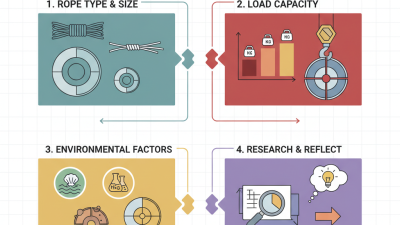
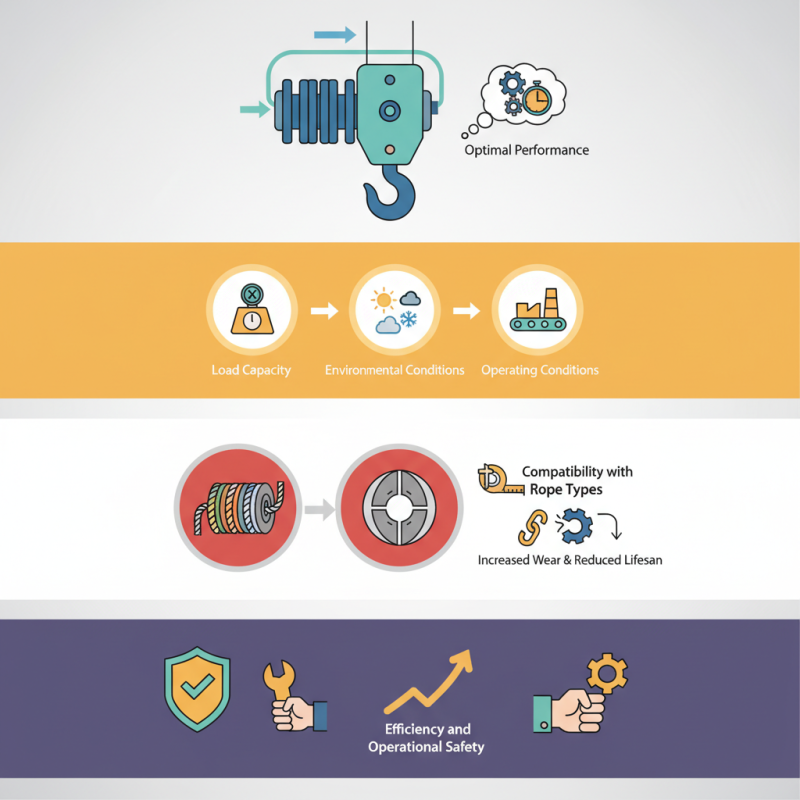
Rope block sheaves come in various materials and designs. Factors like load capacity, environmental conditions, and operating conditions should guide the selection process. For instance, high-friction environments may require specialized materials. Ignoring these aspects can lead to unexpected failures, affecting productivity.
Many users underestimate the importance of compatibility with rope types. The sheave diameter and groove design are critical. A mismatch can lead to increased wear and reduced lifespan. It's essential to reflect on these factors when selecting rope block sheaves. Ultimately, this choice will determine not just efficiency but also operational safety in demanding settings.
Understanding the Basics of Rope Block Sheaves and Their Functions
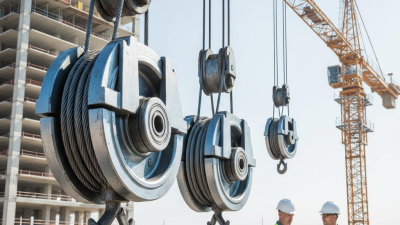
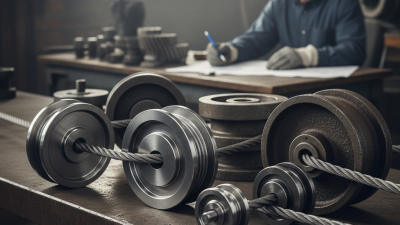
Rope block sheaves play a crucial role in various applications, from maritime operations to construction sites. Understanding their basic functions is vital for achieving optimal performance. A sheave is a wheel with a grooved rim designed to support and guide ropes. This design reduces friction, allowing for smoother operation. Proper selection of sheaves can impact efficiency and safety in lifting operations.
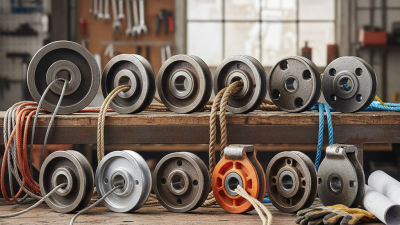
When choosing sheaves, consider material and size. For instance, aluminum is lightweight yet durable, while steel offers strength for heavy loads. The sheave diameter affects the bending of the rope. A larger diameter minimizes wear and increases lifespan. It’s essential to match sheave size with rope size. An incorrect match can lead to unplanned failures and safety hazards.
Regular inspections of sheave systems are necessary to maintain performance. Check for wear and damage, as even small imperfections can cause significant issues over time. Understanding these basics can lead to better decision-making. Strive for a balance between performance and safety in every operation.
2026: How to Select Rope Block Sheaves for Optimal Performance
This chart illustrates key dimensions and performance metrics for selecting rope block sheaves, which are crucial for optimal functionality and safety in various applications.
Factors to Consider When Selecting Rope Block Sheaves
When selecting rope block sheaves, several factors come into play. Material choice is crucial. Common options include aluminum, steel, and composite materials. Each type offers different strength, weight, and durability. For instance, aluminum is lightweight but may wear out faster. Steel is robust, yet it can be heavier. This choice affects overall performance.
Another important consideration is the diameter of the sheave. A larger diameter minimizes wear on the rope. It also maintains a better grip, which is essential in high-load applications. Conversely, smaller sheaves can lead to quicker wear and increased friction. Evaluating the working environment is equally significant. Exposure to moisture, chemicals, or extreme temperatures can affect the longevity of the sheaves.
Lastly, the groove design must not be overlooked. Deep grooves can accommodate thicker ropes but might hinder compatibility with slimmer lines. It can also affect how effectively the rope runs through the block. These nuances require careful thought. It's essential to balance between efficiency and wear. Each selection should be tailored to specific operational needs and environmental factors. Making these choices can lead to enhanced performance, but understanding their implications is key.
2026 How to Select Rope Block Sheaves for Optimal Performance?
| Sheave Material |
Load Capacity (lbs) |
Sheave Diameter (inches) |
Rope Type Compatibility |
Weight (lbs) |
| Aluminum |
1500 |
6 |
Synthetic Rope |
2 |
| Steel |
3000 |
8 |
Wire Rope |
5 |
| Polymer |
1200 |
5 |
Synthetic Rope |
1.5 |
| Composite |
2000 |
7 |
Wire Rope |
3 |
Materials and Design Choices for Enhanced Performance
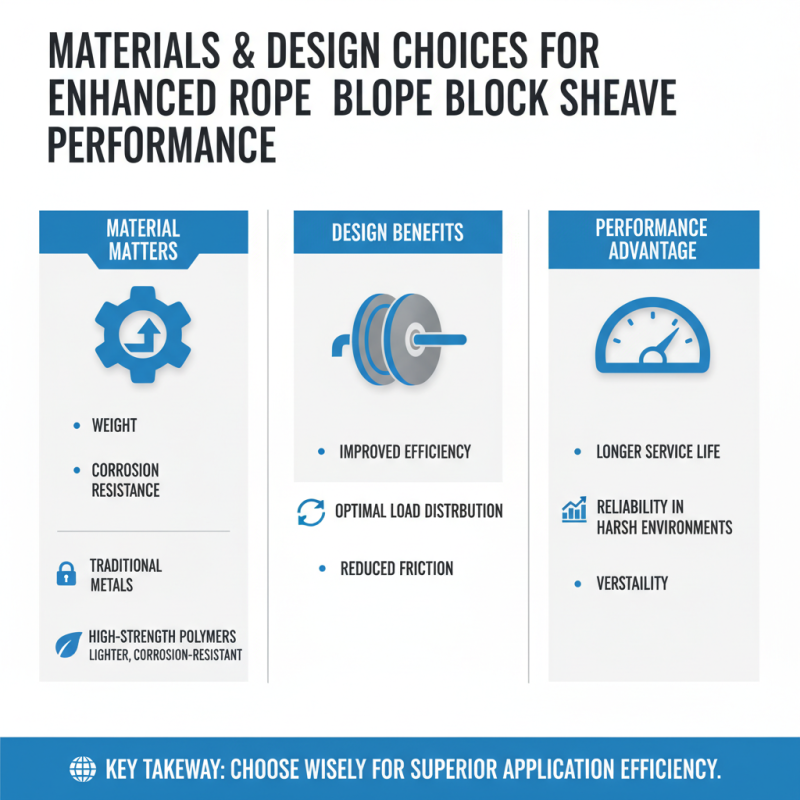
When selecting rope block sheaves, material and design choices play a critical role in performance. The right sheave can significantly improve efficiency in various applications. According to a recent industry report, the choice of material affects not only the weight but also the durability of the sheave. For instance, high-strength polymers have gained traction due to their lighter weight and resistance to corrosion. They perform well in environments where traditional materials may fail.
Design is equally important. A sheave’s groove design impacts rope alignment and wear. A study showed that specific designs can reduce friction by up to 30%, enhancing overall performance. It is essential to consider how different designs can influence the lifespan of both the sheave and the rope used in conjunction. Many engineers overlook these variables, often leading to suboptimal setups that may require more frequent replacements.
Moreover, not all applications benefit from the same design. For instance, a sheave meant for high-speed applications might not suit a heavy-load scenario. This discrepancy highlights the necessity for tailored approaches based on operational needs. The engineering process should include thorough testing and analysis to match the sheave characteristics with specific usage conditions. Taking these details seriously can lead to improved performance and reduced long-term costs.
Evaluating Load Capacity and Safety Factors in Sheave Selection
When selecting sheaves for rope blocks, evaluating load capacity and safety factors is crucial. The load capacity of a sheave is determined by its material, diameter, and construction. According to industry reports, using the wrong sheave can reduce the system's efficiency by up to 25%. Incorrect selection increases wear on the rope and sheave, leading to premature failure.
Safety factors must not be overlooked. A common guideline suggests a safety factor of at least 5:1 for lifting applications. This means that the sheave should be able to handle five times the maximum expected load. However, some applications may require a higher safety factor due to environmental conditions or dynamic loads. Reports show that overlooking these factors can contribute to 43% of workplace accidents related to lifting gear.
Understanding these elements enhances performance, yet many still choose sheaves based only on price or availability. This can lead to higher costs in the long term due to maintenance or accidents. Consulting technical specifications and industry standards is vital in making an informed decision. Balancing performance and safety often reveals the flaws in a rushed selection process.
Maintenance Tips for Maximizing Sheave Performance and Longevity
Sheave maintenance is crucial for optimal performance. Regular inspections can increase the lifespan of rope block sheaves significantly. According to industry reports, about 30% of sheave failures result from poor maintenance practices. Visual inspections help identify signs of wear, such as surface cracks or misalignment. These small issues can escalate quickly, affecting the entire system.
Lubrication plays a vital role in maintaining sheave functionality. The right type of grease reduces friction, which prevents overheating. A mismanaged lubrication schedule can lead to decreased efficiency. Various studies suggest that improper lubrication can reduce the sheave's lifespan by up to 50%. Ensure that lubricants are compatible with the material to avoid chemical degradation.
Cleanliness is equally important. Dust and debris can lead to abrasive wear. Regular cleaning reduces the risk of contamination. Using high-quality cleaning agents can make a difference. In addition, ensuring that all components are correctly aligned is essential for smooth operation. Misalignment can cause uneven wear and shorten the sheave's working life.