2026 How to Choose the Right Rope Block Sheaves for Your Needs?
In the world of rigging and lifting, selecting the appropriate Rope Block Sheaves is crucial. Experts emphasize this decision's impact on safety and efficiency. John Mercer, a specialist in rigging systems, states, "Choosing the right sheave can make or break your lifting operations." This highlights the importance of informed decision-making in the industry.
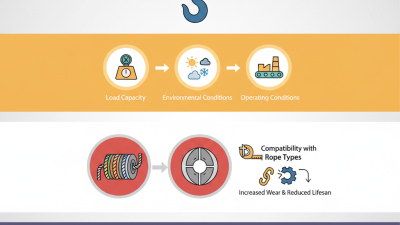
When evaluating Rope Block Sheaves, factors like load capacity and material must be considered. The right sheave reduces wear on ropes and enhances performance. However, many overlook basic measurements or specific use scenarios. This can lead to failures, posing risks in the workplace.
Ultimately, the importance of expert guidance cannot be overstated. Trusting the experience of industry professionals helps ensure that your choices are sound. Missteps in selecting Rope Block Sheaves can lead to costly errors. Take the time to research, consult experts, and reflect on past choices for a safer rigging experience.

Understanding the Basics of Rope Block Sheaves and Their Functions
Rope block sheaves play a crucial role in various applications, ranging from marine equipment to construction. Understanding their basic functions can significantly impact performance. Sheaves are designed to reduce friction and redirect pulley systems, enhancing efficiency. According to industry data, proper sheave selection can increase mechanical efficiency by up to 30%.
Different materials and designs suit varying needs. For example, steel sheaves are durable but heavier, while composite sheaves are lightweight and resistant to corrosion. The choice can also affect load capacity and lifespan. Reports indicate that improper selection could lead to mechanical failures, resulting in costly downtime.
It's vital to consider the working environment and specific load requirements when choosing sheaves. Factors like weather exposure and load type can influence performance. The right decision is not always clear-cut, and trial-and-error may be necessary. Seeking expert advice can mitigate risks, ensuring that the chosen sheaves align well with operational demands.
2026 How to Choose the Right Rope Block Sheaves for Your Needs?
This chart illustrates the essential specifications for selecting the right rope block sheaves. The data reflects average values across various sheave models, helping customers make informed decisions based on weight capacity, sheave diameter, material strength, and price.
Identifying Your Specific Rope Application Needs and Requirements
When selecting the right rope block sheaves, it's crucial to analyze your specific application needs. Different applications require distinct materials and designs. For example, marine settings often demand corrosion-resistant sheaves. Statistics show that nearly 40% of sheave failures result from improper material selection. This highlights the importance of evaluating environmental factors before making a decision.
Load capacity is another vital consideration. Industry reports indicate that using sheaves without understanding their load ratings leads to increased failure rates, sometimes by over 25%. Understanding the weight and type of rope you plan to use can guide your choice. It’s important to match the sheave's specifications with the rope characteristics, such as diameter and tensile strength.
Don't overlook installation requirements. Improper installation can compromise performance. Studies show that nearly 30% of maintenance issues stem from installation mistakes. Consider the ease of installation and whether special tools or expertise are required. Sometimes, the best option might be simpler than expected. Reflecting on these factors can lead to a more informed decision in selecting the right rope block sheaves.
Evaluating Material Options for Durability and Weight Considerations
When selecting rope block sheaves, durability and weight are critical factors. The material of the sheave plays a vital role in its longevity. Common materials include aluminum and plastic. Aluminum is lightweight yet strong, providing excellent performance. However, it may not withstand harsh environments like saltwater well. Conversely, plastic is resistant to corrosion but can wear down faster under heavy loads.
Consider the weight of the sheaves for your specific use. Heavier sheaves may provide stability but can add bulk to your setup. Lighter options often enhance maneuverability, yet you might sacrifice strength. It’s essential to balance these factors based on your activities.
Reflecting on your needs is crucial. Evaluate how often you'll be using the sheaves and in what conditions. Heavy-duty tasks require more robust materials, while casual use might allow for lighter alternatives. Don't rush into a decision; take the time to think through your options carefully. Each material has its pros and cons. The perfect choice lies in understanding your unique requirements.
Assessing Load Capacity and Safety Factors for Your Rope System
When choosing rope block sheaves, the load capacity is critical. Industry guidelines suggest a safety factor of at least 5:1 for lifting applications. This means that the maximum load should never exceed 20% of the sheave's rated capacity. For example, a sheave rated for 1,000 pounds should only handle loads up to 200 pounds. This safety margin protects against unforeseen circumstances, such as rope wear or environmental factors.
Evaluating the safety factors in your rope system goes beyond mere mathematics. Environmental factors must also be considered. Weather, temperature, and moisture can compromise materials over time. A 2020 study indicated that synthetic ropes could lose up to 15% of their strength in high UV exposure. Knowing how these elements affect performance is essential for selecting appropriate sheaves. Regularly inspecting both the ropes and the sheaves can prevent catastrophic failures.
Users should also reflect on their specific requirements. The choice of material for sheaves, for instance, can significantly influence performance. Aluminum offers lightweight benefits but may not handle heavier loads as effectively as steel. Each user experience can differ, and this variability underlines the importance of tailored assessments. Making informed decisions in this area demands ongoing education, research, and possibly consulting industry experts to refine your approach.
Selecting the Appropriate Size and Configuration for Optimal Performance
Choosing the right rope block sheaves is crucial for effective operation. The size and configuration determine how well your system performs under various loads. An ill-fitting sheave can lead to premature wear and potential failure. It's essential to analyze your specific needs before making a decision.
When selecting sheaves, consider the rope diameter. A proper fit ensures smoother operation. Attention must be given to the material used for the sheaves as well. Some materials wear down quicker than others under constant friction. Evaluate your usage frequency and environmental factors before finalizing your choice.
**Tip:** Always compare the sheave's load capacity with your operational requirements. If unsure, consult with a professional to ensure proper matching.
Sometimes, users overlook the impact of angle on performance. The sheave alignment must be precise. Improper alignment can lead to increased friction and reduced effectiveness. Addressing these concerns will enhance the lifespan of your equipment.
**Tip:** Regularly inspect your setup for wear and alignment issues. This vigilance can save costs in the long run. Inadequate maintenance can lead to systemic failures, so prioritize regular checks.
2026 How to Choose the Right Rope Block Sheaves for Your Needs?
| Sheave Size (inches) |
Rope Diameter (inches) |
Material |
Load Capacity (lbs) |
Configuration |
| 4 |
1/4 |
Aluminum |
500 |
Single |
| 6 |
3/8 |
Steel |
1000 |
Double |
| 8 |
1/2 |
Plastic |
1500 |
Single |
| 10 |
5/8 |
Composite |
2000 |
Triple |
| 12 |
3/4 |
Aluminum |
3000 |
Quad |