What is a Hydraulic Pump Unit and How Does it Work?
A Hydraulic Pump Unit plays a crucial role in various industrial applications. It converts mechanical energy into hydraulic energy, enabling effective movement of fluids. John Smith, a renowned expert in hydraulic systems, once stated, "The Hydraulic Pump Unit is the heartbeat of any hydraulic system." This highlights its importance in ensuring reliability and efficiency in operations.
Understanding how a Hydraulic Pump Unit works can be complex. It involves components like the pump, motor, and reservoir. Each part must perform perfectly for optimal functionality. Issues may arise from wear and tear or improper installation. Such problems can lead to inefficiencies and costly repairs.
The significance of a Hydraulic Pump Unit cannot be overstated. It is vital in manufacturing, construction, and automotive sectors. High-quality units lead to better performance. However, not all units are created equal. Users must consider factors like capacity and maintenance to choose the right one. Mistakes in selection can result in operational failures, emphasizing the need for informed choices.
What is a Hydraulic Pump Unit?
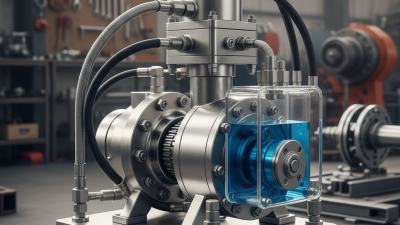
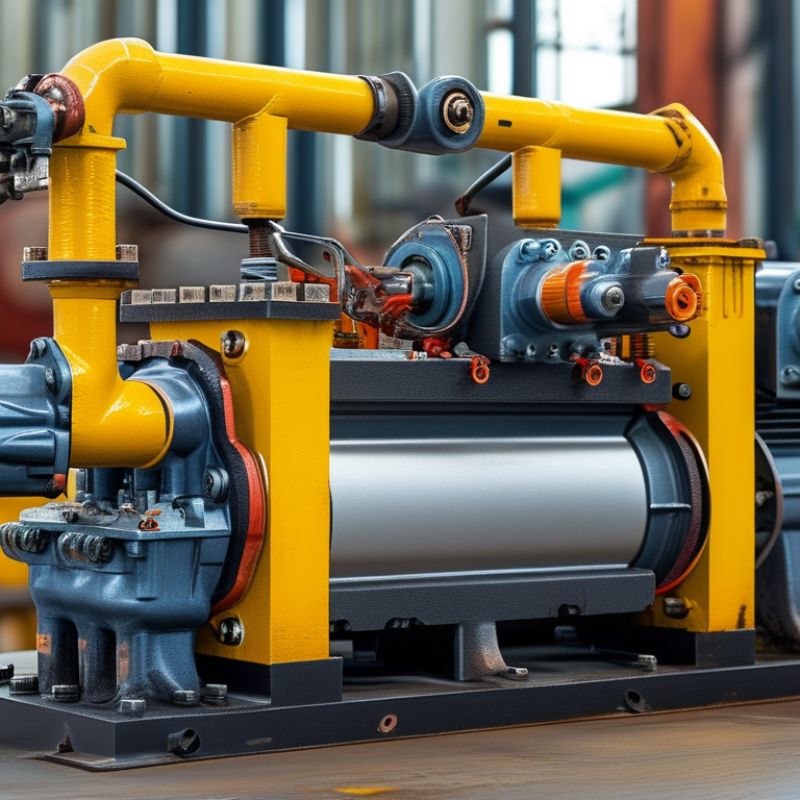
A hydraulic pump unit is a key component in many industrial systems. It converts mechanical energy into hydraulic energy. This transformation is essential for powering various machines. The unit usually consists of a pump, a motor, and a reservoir. Working together, these parts create the force needed to move hydraulic fluid.
The pump plays a crucial role by drawing in fluid from the reservoir. It pressurizes the fluid and sends it through pipes to actuators or tools. This process enables smooth and controlled motion in machinery. A hydraulic pump unit operates on the principle of incompressibility of liquids. However, improper maintenance can lead to inefficiencies or failures. Regular checks on fluid levels and pump conditions are needed.
Understanding how a hydraulic pump unit works helps in optimizing its performance. Operators must know the basics of the system. This knowledge aids in early detection of issues. Over time, wear and tear can affect efficiency. Recognizing signs of wear can prevent costly repairs. Conducting timely inspections fosters longevity and reliability in hydraulic systems.
Key Components of a Hydraulic Pump Unit
A hydraulic pump unit is a critical component in many machinery and industrial systems. Understanding its key components helps us appreciate how it operates efficiently. The main parts include the pump, reservoir, motor, and control valves. Each element plays a vital role in converting mechanical energy into hydraulic energy.
The pump itself creates pressure. It drives hydraulic fluid from the reservoir, which stores the fluid until needed. This fluid flows through control valves, allowing for precise movement and control of machinery. Motors often power the pump, ensuring a consistent supply of energy. The design of these components can vary, depending on their specific applications and requirements.
However, not all hydraulic pump units operate smoothly. Issues like leaks can occur, leading to decreased efficiency. Maintenance is crucial to address these problems. Understanding the individual components can lead to better troubleshooting. This knowledge highlights the importance of regular checks and balances.
Principle of Operation for Hydraulic Pumps
Hydraulic pumps are critical components in various machines. They convert mechanical energy into hydraulic energy. This process begins when the pump shaft turns, creating a pressure differential. Fluid enters through an inlet and is pushed out through the outlet. The pressure generated is used to perform work, such as lifting heavy loads or moving machinery.
Efficiency is vital in hydraulic systems. Keep the pump well-maintained to ensure optimal performance. Check for leaks regularly. Seal integrity is crucial. A small leak can lead to significant losses. Fluid quality also matters; using the wrong type can damage the system.
Understanding the principle of operation helps in troubleshooting. If a pump is not delivering pressure, inspect the input fluid. Clogs can hinder performance. Ensure the pump is correctly aligned and not obstructed.
Tip: Always read the manufacturer's guidance on hydraulic fluid. The right viscosity reduces wear and tear. Moreover, regularly changing your fluid can enhance system longevity.
What is a Hydraulic Pump Unit and How Does it Work? - Principle of Operation for Hydraulic Pumps
| Type of Hydraulic Pump |
Operating Principle |
Applications |
Advantages |
Disadvantages |
| Gear Pump |
Uses gears to pump fluid by trapping it between the gear teeth. |
Construction machinery, automotive systems. |
Simple design, cost-effective for low-pressure applications. |
Limited efficiency, sensitive to contamination. |
| Vane Pump |
Uses vanes that slide in and out of a rotor to create pumping action. |
Hydraulic lifts, mobile equipment. |
Good volumetric efficiency, smooth operation. |
Wear and tear of vanes over time. |
| Piston Pump |
Uses pistons to push fluid through the pump, providing high pressure. |
High-pressure applications, aerospace, hydraulic presses. |
Very high pressure and flow capabilities. |
More complex design, higher cost. |
| Diaphragm Pump |
Uses a diaphragm that flexes to create pressure and move fluids. |
Chemical processing, food industry. |
Good for corrosive fluids, low maintenance. |
Limited pressure capabilities compared to pistons. |
Types of Hydraulic Pump Units and Their Applications
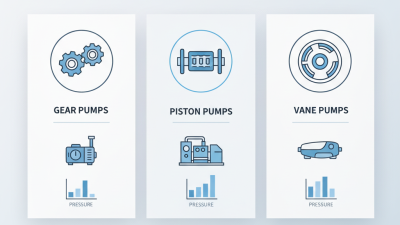
Hydraulic pump units are essential in various applications, transforming mechanical energy into hydraulic pressure. There are several types of hydraulic pump units, each serving distinct functions. Gear pumps, for example, are simple and reliable. They are commonly used in mobile equipment. Their design allows consistent flow rates, but they may become less efficient under high pressure.
Another common type is the piston pump, which excels in high-pressure applications. These pumps are often utilized in industries such as construction and manufacturing. They can generate significant pressure but require more maintenance. Users must often consider their specific needs and the trade-offs of maintenance versus efficiency.
Lastly, vane pumps offer a compromise between gear and piston pumps. They provide variable flow rates, making them suitable for diverse applications. Although they operate well, they can struggle with viscosity changes in fluids. Each type has its strengths and weaknesses. Understanding these can lead to more informed decisions when selecting a hydraulic pump unit.
Maintenance and Troubleshooting for Hydraulic Pump Systems
Hydraulic pump systems are critical in various industrial applications. Proper maintenance is essential to prevent unexpected breakdowns. Regular inspection of components such as hoses, seals, and valves helps identify wear and tear early. Checking fluid levels and quality should be routine. Contaminated fluid can lead to system failure.
Troubleshooting starts with listening for unusual noises. A grinding sound may indicate internal damage. Low pressure readings can point to leaks or worn components. If the pump is overheating, it may be overworked or have insufficient cooling. Addressing these issues promptly can save time and money.
Components like filters and reservoirs must be cleaned often. Neglecting this can cause serious problems. Operators should also be trained in recognizing warning signs. Ignoring small issues can lead to large repair bills. A proactive approach to maintenance ensures the hydraulic system runs smoothly.