10 Essential Tips for Choosing Drilling Mud Pumps for Your Projects
Choosing the right drilling mud pumps is crucial for project success. According to Dr. Emily Hamilton, a leading expert in drilling technologies, "The right pump can enhance efficiency and reduce costs significantly." This insight highlights the importance of understanding your options. Drilling mud pumps play a vital role in mud circulation and maintaining optimal pressure during drilling operations.
A well-chosen pump not only improves project timelines but also impacts overall safety and performance. Selecting the right equipment requires careful evaluation of specifications, compatibility, and durability. Each project presents unique challenges, which can lead to miscalculations.
Assessing the specific needs of your operation is essential. Features like flow rate, pressure, and maintenance requirements should not be overlooked. Investing time in research often reveals unexpected limitations in certain models. Understanding these factors will guide you more effectively. Balancing various needs, including cost and reliability, can be daunting but necessary for achieving project goals.

Understanding the Importance of Drilling Mud Pumps in Projects
Drilling mud pumps play a crucial role in many construction and drilling projects. They transport drilling fluid, or mud, from the surface to the drill bit. This fluid cools the bit, removes cuttings, and stabilizes the wellbore. According to industry research, effective mud circulation can increase drilling efficiency by up to 30%. Understanding the importance of these pumps can significantly impact project outcomes.
When selecting a drilling mud pump, consider several essential factors. Evaluate the pump's capacity and pressure ratings to ensure they meet your project's demands. A recent report from the Society of Petroleum Engineers highlights that proper pump selection can prevent costly downtime. It's important to analyze the type of mud you'll be using. Different fluids require different pump characteristics.
One key tip is to assess the total dynamic head (TDH) when selecting a pump. This measurement determines a pump's ability to lift fluid. A mismatch here can lead to inefficiencies. Another consideration is maintenance requirements. Pumps with easier serviceability can save time and reduce project delays. Ultimately, investing time in choosing the right pump can yield significant long-term benefits.
Factors to Consider When Selecting Drilling Mud Pumps
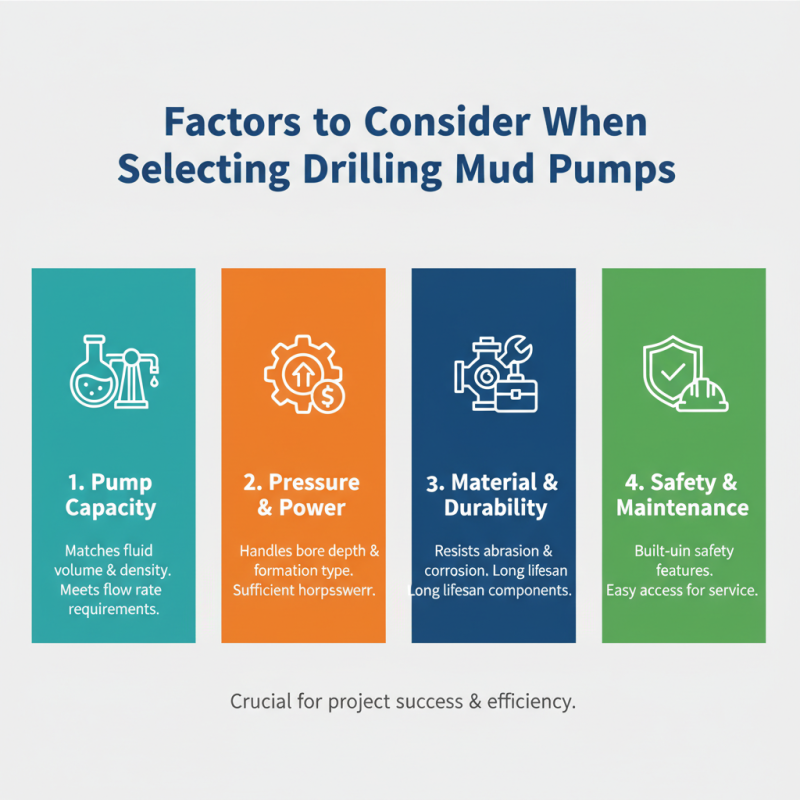
Choosing the right drilling mud pump is crucial for the success of any drilling project. The selection process involves various factors, each influencing performance and efficiency. First, consider the pump capacity. It should match the volume and density of the drilling fluid you intend to use. Assess the flow rate and ensure it meets project demands. A mismatch can lead to inefficiencies and increased costs.
Next, examine the pump's durability. Construction materials play a vital role in longevity. Pumps made from high-quality metals resist wear and corrosion better. This choice often correlates with the project's environment. If you are drilling in abrasive conditions, a robust pump is vital. Don't forget about maintenance needs. Some pumps require regular checks, while others are more user-friendly.
Another factor to ponder is the power source. Electric pumps offer quiet operation, while diesel options are more mobile. Evaluate your site’s energy availability and choose accordingly. Additionally, consider the ease of installation and logistics. An overly complex setup can delay progress. Reflect on past experiences to avoid similar pitfalls. Each decision plays a role in your project's overall success.
Types of Drilling Mud Pumps and Their Applications
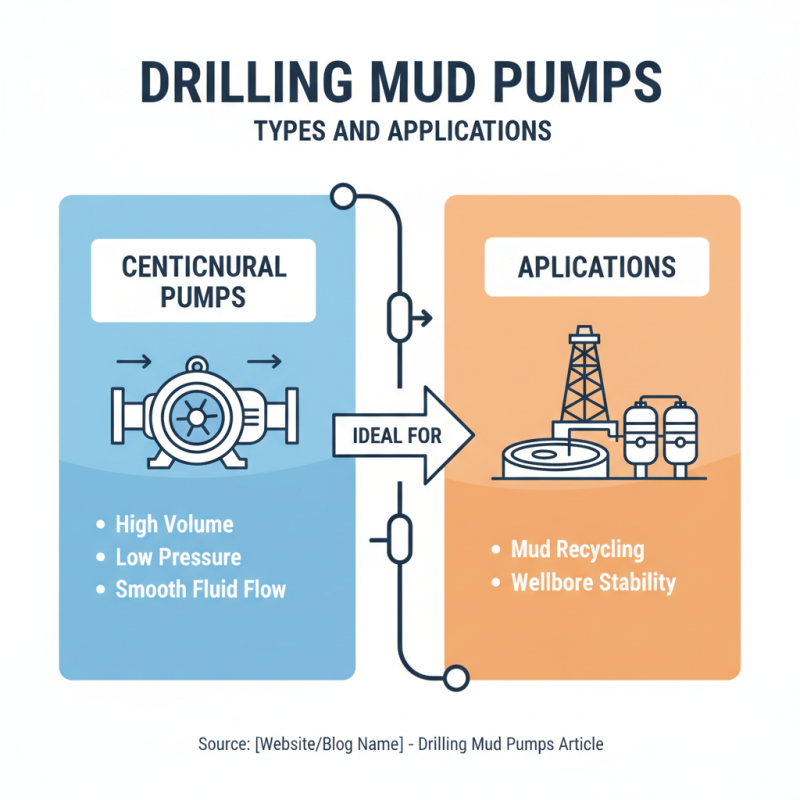
When it comes to drilling mud pumps, understanding the types available is crucial. There are several kinds of pumps, each designed for specific applications in the drilling process. Centrifugal pumps are widely used for their ability to handle large volumes of fluid at relatively low pressure. They are often favored in mud recycling applications, where efficiency is key. Their design allows for smooth fluid flow, which is essential in maintaining wellbore stability.
Positive displacement pumps, on the other hand, are another popular choice. These pumps provide high-pressure output, making them suitable for deep well drilling. Their design ensures a consistent flow rate, essential for effective drilling operations. However, they require more maintenance and can be less efficient with low viscosity fluids. It’s important to match the pump type with the specific drilling conditions to ensure optimal performance.
Finally, submersible pumps are an option for specialized applications. These pumps work well under extreme depths where traditional pumps may fail. While they may offer high efficiency, their installation can be complex. Drillers should weigh the benefits against potential challenges. Every project has unique requirements, and careful evaluation is essential for selecting the right pump type.
Evaluating Pump Specifications for Project Requirements
When selecting drilling mud pumps, understanding pump specifications is crucial. Start by analyzing the required flow rate. Different projects demand varying rates. For instance, large-scale drilling operations may require pumps with a flow rate of over 500 gallons per minute. The size of the job can directly impact how effectively a pump performs.
Consider pressure ratings next. High-pressure environments need pumps that can withstand significant forces. A pump rated for 1,000 psi may be necessary for deep drilling applications. It's essential to match the pump's capabilities with the project demands to avoid failures. Review the pump's durability too. Materials like steel and ductile iron withstand wear better but may increase upfront costs.
Don't overlook energy efficiency. Some pumps consume more power than others, leading to higher operational costs. Evaluate the total cost of ownership, including maintenance and energy consumption. Reflecting on these details can prevent future challenges. Choosing a pump based on specifications requires careful consideration but saves time and money long-term.
Maintenance and Efficiency Tips for Drilling Mud Pumps
When selecting drilling mud pumps, understanding maintenance and efficiency is crucial. Proper upkeep can significantly extend the lifespan of these pumps. Reports indicate that regular maintenance can increase pump efficiency by up to 30%. Taking the time for routine checks and replacing worn-out components will pay off in the long run.
Firstly, ensure that the mud pump is properly aligned. Misalignment can lead to unnecessary wear and tear. Additionally, regular monitoring of vibration levels is essential. High vibration can indicate underlying issues that, if left unchecked, could lead to catastrophic pump failure. Maintaining optimal fluid conditions is equally important. Mud that is too thick or too thin can hinder performance and cause costly downtime.
Furthermore, operators should be aware of common pitfalls. Neglecting the mechanical seals can lead to leaks and reduced efficiency. Regular inspections can help avoid this issue. It’s also vital to provide training for operators. Well-informed staff can identify problems early and make necessary adjustments. Investing in training might seem like a cost, but it can save significantly on repairs and replacements.
Efficiency of Drilling Mud Pumps by Pump Type