Explore trusted rig components for global markets
Fllow us:
  • shabang03
Leave Your Message

How to Choose the Best Oil Drilling Equipment for Your Needs?

Choosing the right oil drilling equipment is a critical step for success in the energy sector. Recent industry reports from Deloitte highlight that global demand for advanced drilling machinery is expected to grow by 5% annually through 2028. This surge is driven by the need for higher efficiency and environmental compliance. Selecting equipment without solid expertise risks costly operational delays and safety hazards.

Oil drilling equipment varies widely in technology and scale, from conventional rigs to automated systems. Experienced operators emphasize the importance of matching equipment features with specific drilling conditions. However, even experts sometimes overlook factors like maintenance costs and local regulations. These oversights can cause project setbacks or unexpected expenses, indicating there is always room for improvement in the decision process.

Reliable data and industry standards provide a foundation, but each project is unique. Professionals must balance technical specifications with budget constraints and future scalability. By examining recent market trends and engineering advances, this guide aims to help you make informed choices despite the inherent uncertainties in oil drilling operations.
How to Choose the Best Oil Drilling Equipment for Your Needs?

Understanding Your Oil Drilling Project Requirements

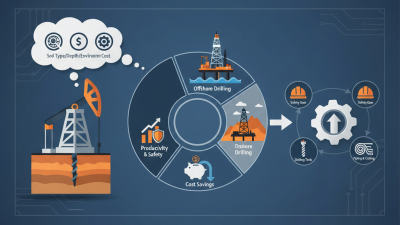
Choosing the right oil drilling equipment starts with understanding your project's unique requirements. The scope of your drilling operation will dictate the type of equipment needed. For instance, deepwater drilling projects often require specialized rigs and drill bits. According to a report by the International Association of Drilling Contractors (IADC), effective selection of drilling equipment can influence project costs by up to 30%.

Assessing soil conditions is also critical. Different geological formations demand specific tools. For example, rocky substrates require robust drill bits that can withstand high pressure. A study from the Society of Petroleum Engineers (SPE) noted that improper equipment selection could lead to significant downtime, costing businesses thousands per day.

Consider your project’s depth and pressure. High-pressure environments need advanced safety features. If not addressed, this can lead to operational failures. Research indicates that nearly 20% of drilling incidents stem from inadequate equipment for the environment. Understanding these details can ensure that the equipment chosen aligns well with the project's demands and mitigates risks effectively.
Identifying Key Features of Oil Drilling Equipment

Choosing the right oil drilling equipment involves careful consideration of key features. The type of drilling method is crucial. Different techniques require specific rigs. A mobile rig offers flexibility, while a stationary one provides stability. Knowing the terrain can guide this choice.

Durability is another essential factor. Equipment should withstand harsh environments. Corrosion-resistant materials are a plus. Check the weight and portability, too. Heavier rigs may be more stable, but can be challenging to transport. Look for redundancy in safety features. This reduces the risk of accidents during drilling.

Efficiency matters in oil drilling. Equipment should maximize output while minimizing downtime. Understand the maintenance needs, as constant check-ups can add costs. Speak with peers to gauge reliability through shared experiences. Investing in technology like automation can improve accuracy, but ensure your team is trained adequately. Balancing cost and quality is an ongoing challenge in this field.

How to Choose the Best Oil Drilling Equipment for Your Needs?

Feature Importance Specifications Cost Estimate
Drilling Depth Critical Up to 5,000 ft $150,000
Power Source Important Diesel/Electric $75,000
Mobility Moderate Trailer Mounted $50,000
Safety Features High Automatic Shutoff $30,000
Drilling Technology Critical Rotary/Directional $200,000

Evaluating Equipment Types and Their Applications

Choosing the right oil drilling equipment is crucial for efficiency and success. Various equipment types serve different purposes. For instance, rotary drilling rigs are commonly used for deep well drilling. They provide high penetration rates and can handle tough geological formations. However, their complexity also means you need skilled operators.

Another option is cable tool rigs. These are more straightforward and cheaper to operate. They work well in softer soils but can struggle in hard rock. Each type has its strengths and weaknesses. Understanding these will help you assess your project’s specific needs.

Consider also the power source. Electric and diesel-powered rigs have distinct advantages. Electric rigs are quieter, while diesel rigs offer portability. Selecting between them depends on your work location and environmental considerations. Weighing these factors ensures you make an informed decision. Each scenario presents unique challenges that require careful thought.

Oil Drilling Equipment Types and Their Applications

Assessing Manufacturer Reputation and Support Services

How to Choose the Best Oil Drilling Equipment for Your Needs?

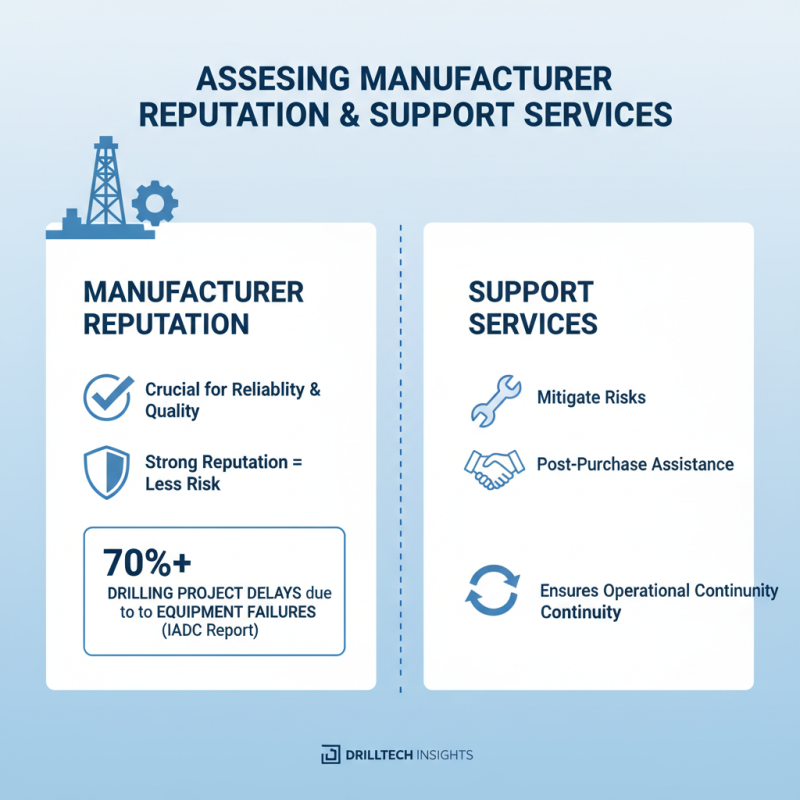
When choosing oil drilling equipment, evaluating the manufacturer’s reputation is crucial. A strong, established reputation often indicates reliability and quality. According to the industry report by the International Association of Drilling Contractors (IADC), over 70% of drilling projects face delays due to equipment failures. Investing in reputable manufacturers can mitigate such risks.

Support services should also be a primary consideration. Prompt and effective customer service can significantly impact project timelines. A survey by Energy Information Administration (EIA) shows that 65% of operators reported equipment performance issues due to inadequate support. Clear communication and adequate training from the manufacturer can prevent costly mistakes.

It’s important to remember that a high-quality product doesn’t always guarantee successful operation. Look for manufacturers that provide comprehensive support. Read reviews and assess customer feedback about their service experiences. Some companies may promise much but deliver little. This gap can affect your project’s success. A thorough evaluation of both products and support systems is essential for making informed decisions in a demanding industry.

Budgeting for Oil Drilling Equipment Acquisition and Maintenance

How to Choose the Best Oil Drilling Equipment for Your Needs?

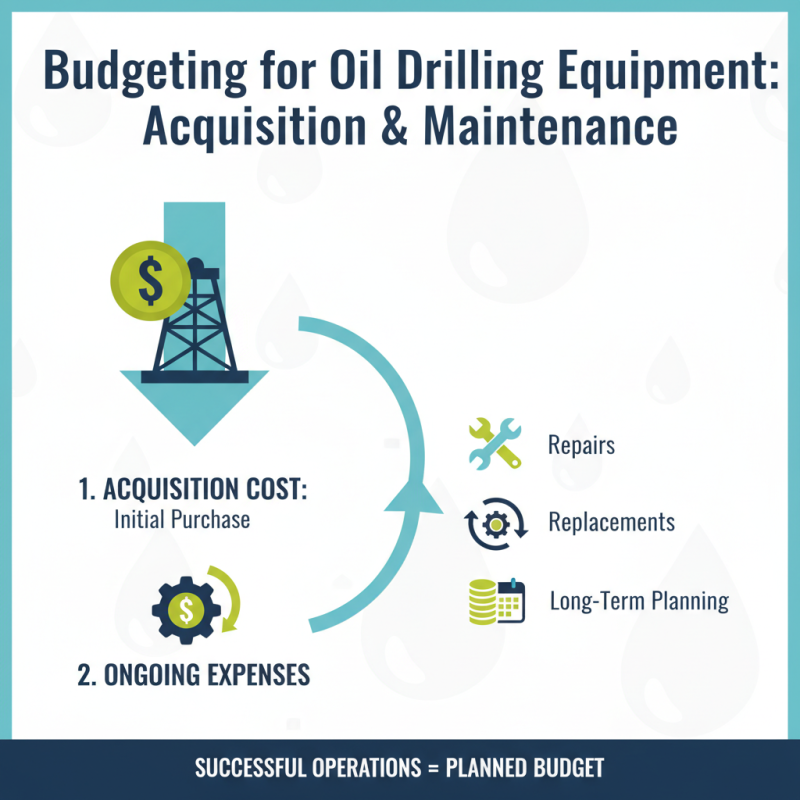
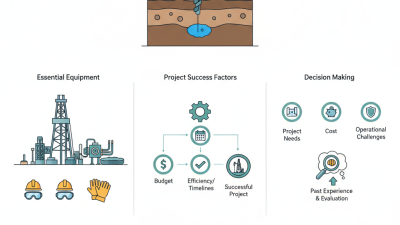
Budgeting for oil drilling equipment is crucial for successful operations. The costs do not stop after purchase. Maintenance is an ongoing expense. You must account for repairs and replacements. This can add up over time, and you should plan accordingly.

One critical tip is to conduct a comprehensive cost analysis. Include purchase, operational, and maintenance costs. Research average maintenance costs for specific equipment types. This helps create a realistic budget. Can you afford downtime if equipment fails? It is a significant consideration.

Another point to remember is to prioritize quality over price. Cheaper equipment may save money initially, but it could lead to higher maintenance costs. Investing in quality equipment often pays off in the long run. Assess your options properly. Consider both immediate and future needs. Familiarize yourself with industry standards to make informed decisions. Proper planning can ensure sustainability.