Why Choose the Best Oilfield Mud Pump for Your Needs?
In the competitive landscape of oil extraction, selecting the right Oilfield Mud Pump is crucial. Industry expert Dr. James Carter emphasizes, “The efficiency of mud pumps directly impacts the drilling process." This statement highlights the significant role that high-quality mud pumps play in optimizing operations.
Choosing the best Oilfield Mud Pump involves understanding specific project needs. Every project has unique requirements based on depth, pressure, and fluid types. With advances in technology, options have expanded, making decision-making more complex. Factors like pump capacity and durability should not be overlooked.
A poor choice can lead to operational delays and increased costs. While some may opt for cheaper alternatives, this approach can backfire. Investing in the right Oilfield Mud Pump ensures reliability, efficiency, and overall project success. Users need to reflect on their choices and seek expert advice to make informed decisions.
Understanding Oilfield Mud Pumps and Their Functionality
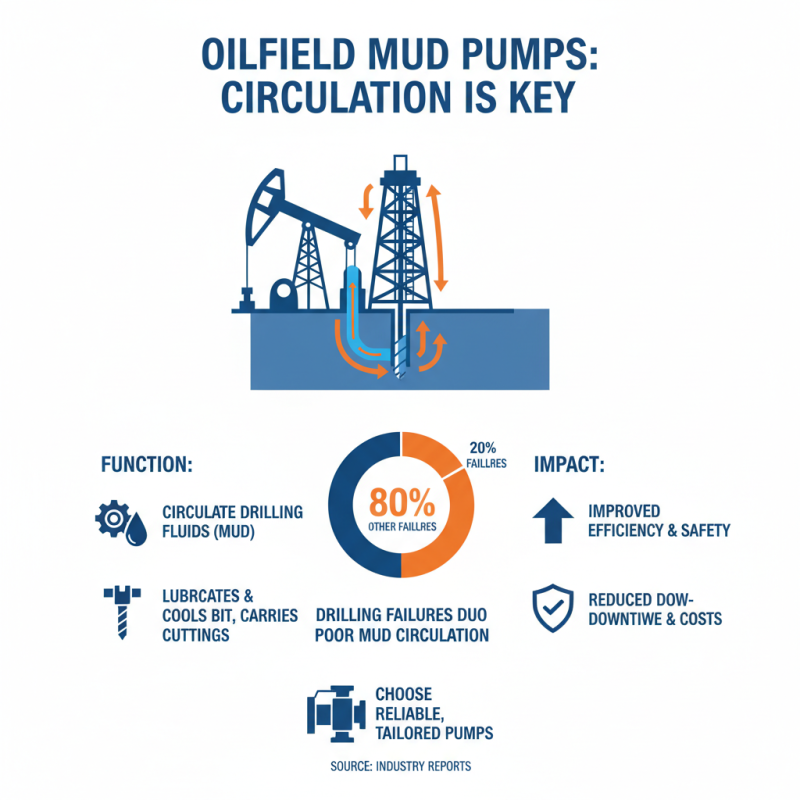
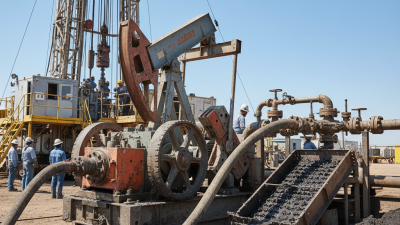
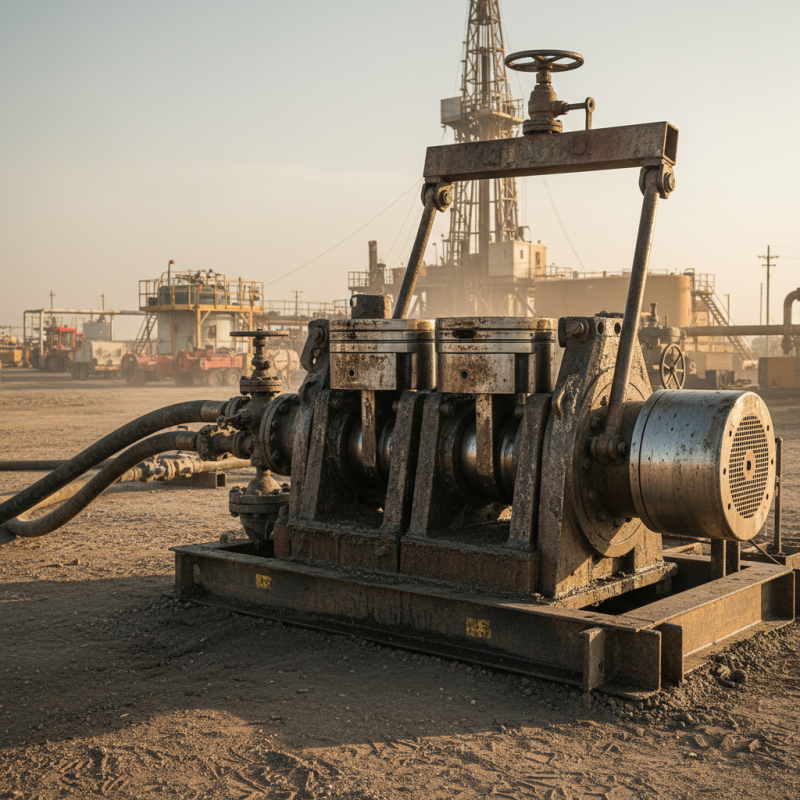
Oilfield mud pumps play a crucial role in drilling operations. They are primarily used to circulate drilling fluids, also known as mud, during the drilling process. According to industry reports, about 80% of drilling failures are linked to inadequate mud circulation. This reflects the importance of choosing a reliable pump tailored to specific project needs.
Understanding the functionality of oilfield mud pumps is essential. These pumps are designed to handle high pressures and varying fluid viscosities. High-pressure pumps can reach up to 5,000 PSI, ensuring efficient fluid movement. Their performance directly influences the rate of penetration (ROP) and overall drilling efficiency. Selecting the right pump can mean the difference between success and costly delays.
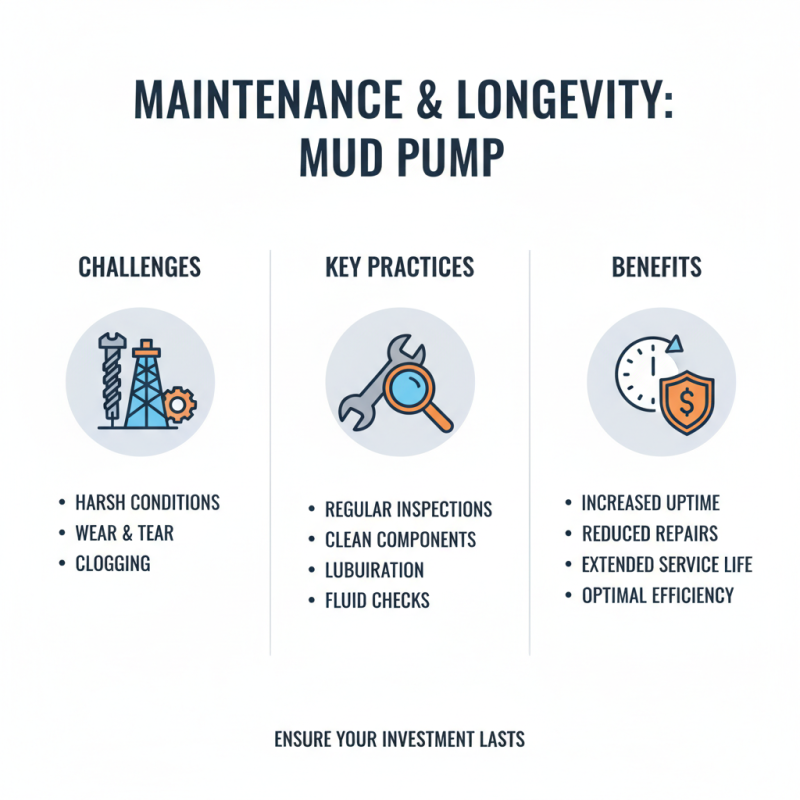
However, not all pumps are created equal. Factors like maintenance and fluid type impact their reliability. Reports indicate that improper maintenance can reduce a pump's lifespan by up to 30%. It is vital for operators to regularly inspect and service their equipment. Understanding these dynamics can help make informed decisions that reflect long-term project success.
Key Factors to Consider When Choosing a Mud Pump
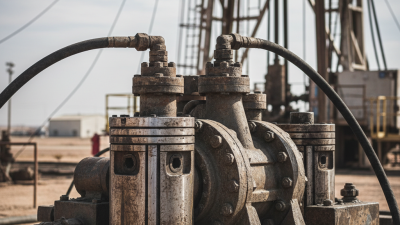
When selecting the right oilfield mud pump, several key factors come into play. The pump's capacity and design are crucial. A reliable pump must handle the required mud flow and pressure levels efficiently. Consider the pump's material as well. Corrosion-resistant materials enhance durability and reduce maintenance costs over time. Are you prepared to face extreme conditions? This affects your choice significantly.
Another factor is the pump's maintenance needs. A user-friendly design can save time and costs. Regular maintenance is essential but can be a burden if not designed well. Evaluate the availability of spare parts as well. Limited options may lead to extended downtime. Do you have access to trained technicians for repairs? This point often gets overlooked, yet it is vital for operational efficiency.
Keep in mind the total cost of ownership. It's not just about the initial purchase price. Operating costs, maintenance, and longevity should factor into your decision. Reflect on your specific operational needs. The perfect pump for one project might not suit another. Prioritize your requirements and make a calculated decision. This approach may seem daunting, yet it ensures a reliable choice in the end.
Comparison of Key Features in Oilfield Mud Pumps
Types of Oilfield Mud Pumps: Pros and Cons
When selecting an oilfield mud pump, understanding the different types available is crucial. This decision directly impacts drilling efficiency and project costs. The primary types of mud pumps are centrifugal and positive displacement pumps, each with distinct advantages and disadvantages.
Centrifugal pumps are known for their simplicity and high flow rates. They are often used in low-viscosity applications. However, they may struggle with thicker muds. Reports indicate that they are less effective in applications requiring high pressure. In contrast, positive displacement pumps excel in delivering consistent flow at high pressures. They handle various viscosities, making them versatile. Data shows that these pumps are often preferred for deep drilling projects, where mud consistency can vary significantly.
Choosing the right pump involves weighing these trade-offs. A pump’s efficiency is critical; however, maintenance and operational costs cannot be overlooked. Some operators have reported increased downtime due to the complexity of positive displacement systems. An understanding of specific project demands is necessary to make an informed decision. Exploring these options thoroughly will enhance both performance and reliability in oilfield operations.
How to Assess Your Needs for a Mud Pump in Operations
Choosing the right mud pump for oilfield operations begins with understanding specific needs. Mud pumps are essential for circulating drilling fluid. Different operations require distinct pump capabilities. Factors such as well depth, type of fluid, and flow rate are crucial in making this choice.
Assessing your operations can be guided by data. According to the Society of Petroleum Engineers, around 40% of drilling problems arise from improper fluid management. Accurately calculating fluid demand is essential. For example, a well with high volumes of cuttings may require a pump that can handle large flow rates without compromising performance.
Moreover, considerations extend beyond mere specifications. Reliability plays a significant role, as downtime can lead to costly delays. The American Petroleum Institute highlights that maintenance schedules impact operational efficiency. A pump that's frequently serviced may not meet operational demands as reliably as a well-matched pump. Evaluating historical performance data can provide insights into pump durability and efficiency, helping teams make informed choices.