How to Choose the Right Drilling Mud Pumps for Your Needs?
Choosing the right drilling mud pumps is crucial for the success of any drilling operation. Renowned expert Dr. James Allen, a leading figure in the drilling industry, once stated, "The performance of drilling mud pumps directly influences drilling efficiency." This insight underscores the importance of selecting pumps that suit specific needs.
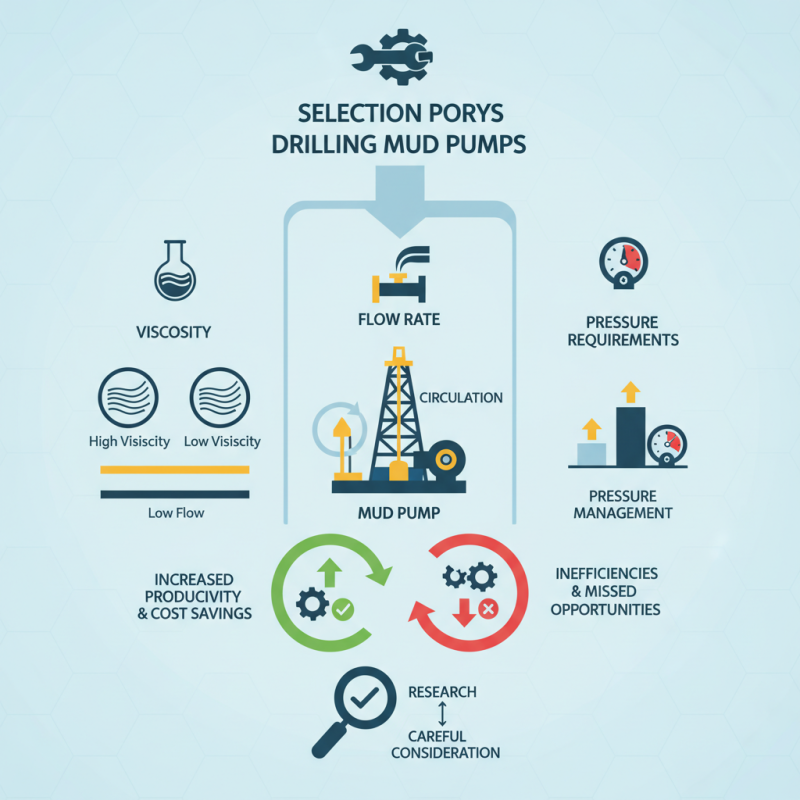
Drilling mud pumps are essential in maintaining circulation and managing pressure. As operations can vary greatly, not every pump will perform equally. A mismatch may lead to inefficiencies and unexpected costs. It's vital to understand the role of factors such as viscosity, flow rate, and pressure requirements. These elements can significantly impact pump selection.
Moreover, the right pump can enhance overall productivity. However, the market offers numerous options, and many buyers may feel overwhelmed. Ultimately, careful consideration and research are required before making a purchase. Selecting the ideal drilling mud pumps can drive project success; neglecting this process can lead to missed opportunities and unnecessary challenges.
Understanding the Importance of Drilling Mud Pumps in Operations
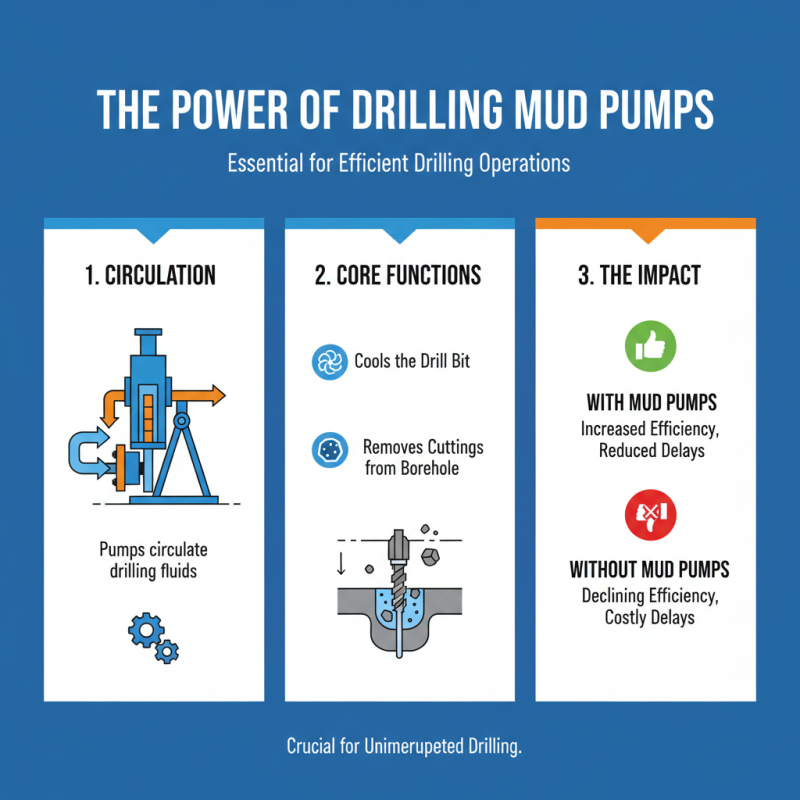
Drilling mud pumps play a crucial role in various drilling operations. They circulate drilling fluids, which cool the drill bit and help remove cuttings from the borehole. The importance of these pumps cannot be overstated. Without proper circulation, drilling efficiency declines, and costly delays may occur.
Choosing the right drilling mud pump involves understanding various factors. Flow rate, pressure capacity, and compatibility with specific drilling fluids are essential considerations. Many operators have faced challenges due to inadequate pump selection. Such situations can lead to operational inefficiencies that hinder project timelines.
Reliability is another aspect to consider. Pumps should withstand harsh conditions, including high temperatures and pressures. A lack of attention to this factor can result in unexpected breakdowns. Regular maintenance and inspections are also critical to ensuring optimal performance. All these elements contribute to a smoother drilling process, yet they also require careful planning and ongoing evaluation.
Key Factors to Consider When Choosing a Drilling Mud Pump
When choosing a drilling mud pump, focus on several key factors. Understand the type of drilling projects you undertake, as this influences your pump selection. Pumps are not one-size-fits-all. Consider the required flow rate and pressure. These specifications should match your project's needs to ensure efficiency.
Tips: Before deciding, evaluate your previous projects. What worked well? What didn’t? Learning from past experiences can guide your choices.
Pay attention to the pump's material and durability. The rigors of drilling environments can wear out equipment quickly. Opt for pumps that can withstand harsh conditions. Corrosion resistance is crucial, especially in wet environments.
Tips: Consult with industry experts when in doubt. Their experiences can help you avoid common pitfalls. Don’t rush your decision. Taking time to weigh options leads to better outcomes.
Types of Drilling Mud Pumps and Their Applications
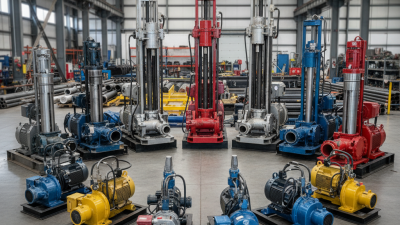
When selecting drilling mud pumps, understanding the types available is crucial. There are several main categories: centrifugal pumps, positive displacement pumps, and diaphragm pumps. Each type fits specific applications based on flow rate and pressure requirements. Centrifugal pumps are widely used due to their ability to handle high flow rates efficiently. They are essential for horizontal drilling. According to a 2022 industry report, about 40% of drilling operations prefer these pumps for their low maintenance needs.
Positive displacement pumps offer different advantages. They generate high pressure, making them suitable for deeper drilling operations. This type is beneficial for mud systems requiring consistent flow under varying conditions. A recent survey indicated that nearly 30% of companies rely on positive displacement pumps in difficult ground formations. It’s important to assess your operational needs, as these pumps can be more sensitive to mud viscosity changes.
Diaphragm pumps also play a role. These pumps are often used for more specialized situations, like pumping abrasive materials. They excel in maintaining safety, as they minimize the risk of fluid leakage. Research shows that 20% of drilling projects use diaphragm pumps for hazardous materials. Each type carries its pros and cons, emphasizing the need for thorough evaluation before making a decision. Understanding these characteristics can lead to more effective and safer drilling operations.
Evaluating Pump Specifications for Your Specific Needs
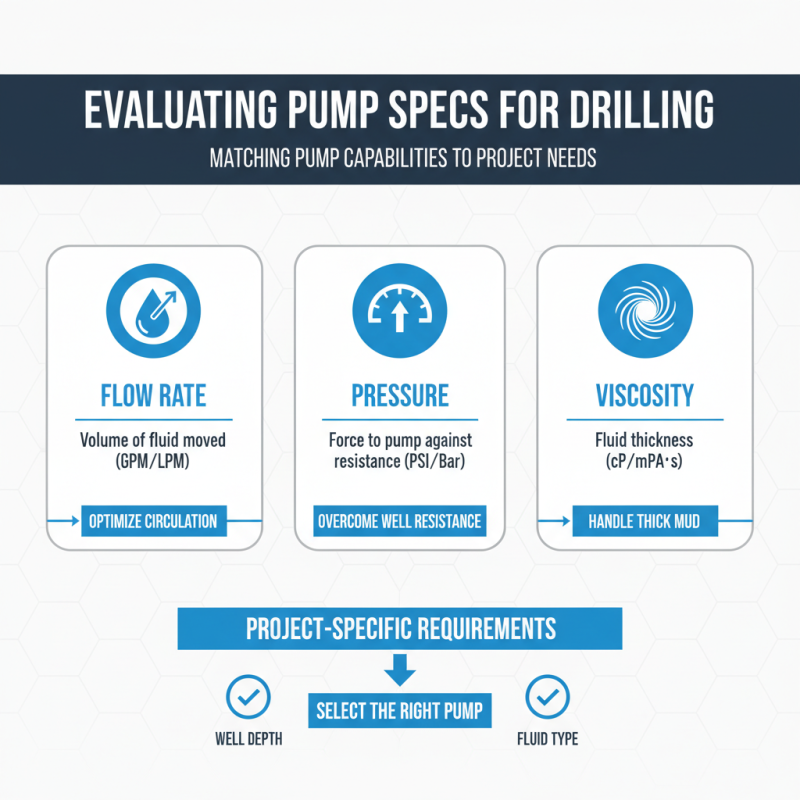
When selecting drilling mud pumps, understanding specifications is crucial. Key factors include flow rate, pressure, and viscosity capabilities. Each project has unique requirements. Evaluate how these specifications align with your operational needs.
Flow rate determines how quickly mud can be circulated. A higher flow rate suits large projects, while a lower rate may be enough for smaller tasks. Pressure ratings also matter. Insufficient pressure can lead to poor performance and increased wear on the pump.
Viscosity is another important consideration. Drilling mud comes in various viscosities, impacting how effectively it reaches the drilling site. Pumps should handle the expected viscosity without strain. Reflect on your project’s demands and choose wisely. A pump that excels in one aspect may not meet all requirements. Consider the trade-offs carefully.
Maintenance and Reliability Aspects of Drilling Mud Pumps
When considering drilling mud pumps, maintenance and reliability are critical factors. A well-maintained pump significantly reduces the risk of failures during operations. Regular checks on seals, filters, and impellers can prevent costly downtime. Operators should establish a routine inspection schedule, focusing on wear parts that require frequent replacements.
Reliability is closely tied to the pump's design and the quality of materials. Pumps made with durable components often exhibit better performance over time. However, even the best designs may have flaws. Operators should monitor performance metrics and be ready to address unexpected issues. Feedback from ongoing operations can reveal areas needing improvement.
Additionally, training personnel on maintenance protocols is vital. Even a small oversight can lead to significant problems. Implementing a culture of proactive maintenance may help identify potential issues before they escalate. Collaboration between operators and maintenance teams fosters a deeper understanding of the equipment's needs.