How to Choose the Best Oilfield Mud Pump for Your Needs?
Choosing the right Oilfield Mud Pump is crucial for operational success. These pumps play a vital role in drilling, ensuring efficient circulation of drilling fluids. With many options available, selecting the ideal model can be challenging.
In the oil and gas industry, an Oilfield Mud Pump is not just a tool; it’s a key component of drilling operations. Various factors must be considered. These include the pump's capacity, durability, and maintenance requirements. Understanding your specific needs can greatly enhance efficiency.
You may wonder, how do you determine the best fit? Industry experience matters, as does expert advice. Choosing poorly could lead to downtime and cost overruns. Being informed will guide you in making a thoughtful decision. Reflect on your unique operation needs.
Factors to Consider When Selecting an Oilfield Mud Pump
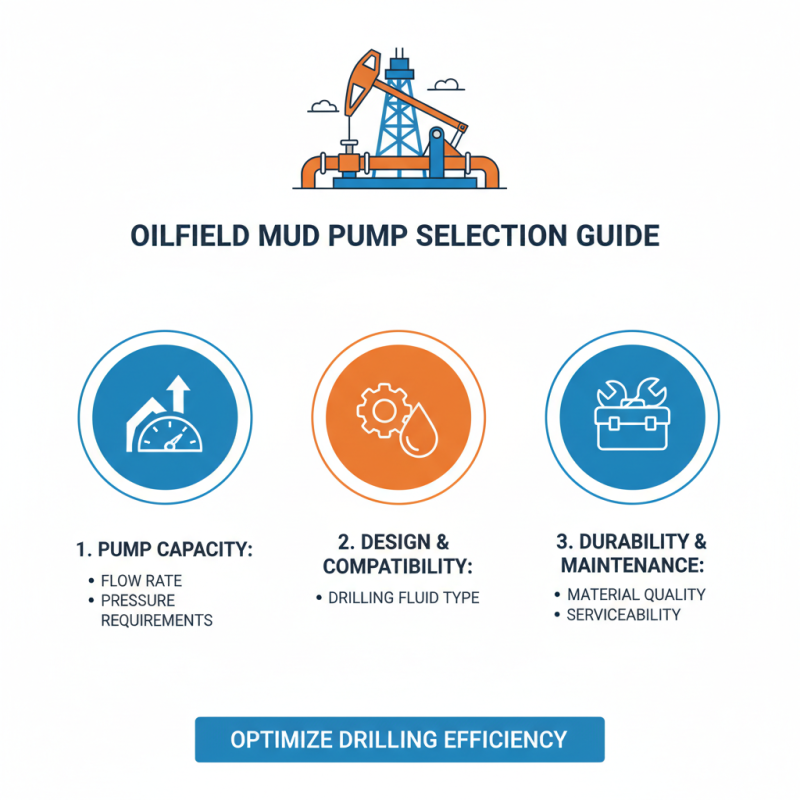
Choosing the right oilfield mud pump is crucial for efficient drilling operations. Consider several factors before making a decision. One of the key aspects is the pump's capacity. You’ll need to evaluate the flow rate and pressure requirements for your specific application. The pump's design and compatibility with your drilling fluid are also important.
Think about the operating environment. Will the pump be exposed to extreme temperatures or harsh chemicals? Durability is a crucial factor. Look for materials that can withstand challenging conditions without frequent breakdowns.
**Tips:** Always check technical specifications thoroughly. Understand the trade-offs between cost and performance. An inexpensive pump may lead to higher maintenance costs over time. Seek advice from industry experts to avoid common pitfalls. Reliable pumps save you time and money.
Types of Oilfield Mud Pumps and Their Applications
Choosing the right oilfield mud pump requires understanding its types and applications. Mud pumps are essential for drilling operations, handling drilling fluids efficiently. There are primarily two types: positive displacement pumps and centrifugal pumps. Each serves distinct purposes in oil exploration and drilling.
Positive displacement pumps, such as triplex and duplex configurations, are ideal for high-pressure applications. They can generate pressures up to 7,500 psi, making them suitable for deep-well drilling. In contrast, centrifugal pumps are often used for transferring lighter drilling fluids, operating at lower pressures but offering higher flow rates. According to a recent industry survey, nearly 60% of drilling operations prefer positive displacement pumps due to their reliability under extreme conditions.
Understanding the specific drilling conditions is crucial when selecting a pump. Factors like the viscosity of the drilling fluid, required flow rates, and pressure limitations play significant roles. For instance, using a centrifugal pump for a high-viscosity fluid can lead to pump cavitation, reducing effectiveness and safety. Assessing these variables allows operators to make informed decisions, ensuring optimal performance in challenging environments.
Types of Oilfield Mud Pumps and Their Applications
Key Specifications for Evaluating Mud Pump Performance
When evaluating mud pump performance, several key specifications come into play.
Flow rate is a crucial factor; it measures how quickly the pump can move the drilling fluid.
A higher flow rate ensures optimal circulation in the well, which is vital for effective drilling operations.
However, selecting a pump with an excessively high flow rate might lead to waste and energy inefficiency.
Another significant specification is pressure capacity.
The pump needs to generate sufficient pressure to overcome the formation resistance.
Insufficient pressure can hinder the efficiency of drilling.
On the flip side, too much pressure can damage the formation and lead to costly repairs.
Balancing these aspects requires a deep understanding of the specific drilling environment.
Additionally, consider the pump's materials and design.
Pumps constructed from durable materials
will have better longevity and lower maintenance costs.
However, there might be trade-offs in weight and cost.
Regular assessments of these elements will fine-tune your choice, ensuring you meet performance requirements while maintaining budget constraints.
Maintenance and Longevity Considerations for Mud Pumps
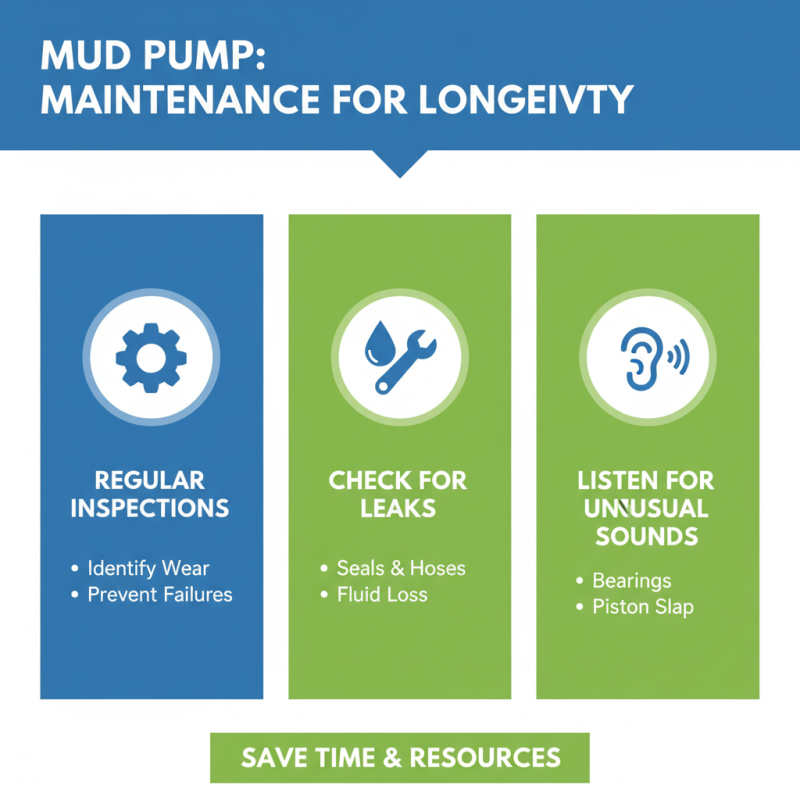
Maintaining a mud pump is vital for its longevity. Regular inspections help identify wear and tear, which can lead to costly failures. Check for leaks and unusual sounds during operation. Attention to these details can save time and resources in the long run.
Proper lubrication is essential. Ensure that the pump’s moving parts are adequately greased. This will reduce friction and wear over time. Poor lubrication might seem minor, but it can severely impact performance and durability. Additionally, clean the filters and screens regularly. Clogged filters can impede flow and increase pressure, leading to further complications.
Consider the operating environment as well. Dust, temperature fluctuations, and exposure to chemicals can affect the pump’s lifespan. Using protective covers can shield the equipment from debris. Regular maintenance schedules reinforce good practices but may get overlooked. Keeping a maintenance log can aid in tracking service history and identifying recurring issues. It ensures that nothing is missed and helps in planning for future needs.
Budgeting and Cost Analysis for Mud Pump Options
When budgeting for an oilfield mud pump, understanding the costs involved is crucial. According to the World Oil Report, the average cost of a quality mud pump installation can range from $60,000 to $150,000. This figure doesn't encompass ongoing maintenance and operational costs. Beyond initial purchase prices, consider the total cost of ownership, which includes consumable parts and labor. These hidden costs can accumulate quickly and must be factored into your budget.
Energy efficiency is another key aspect to evaluate. A more efficient pump may have a higher upfront cost but can save significant operational expenses over time. For instance, a study by the Society of Petroleum Engineers suggests that energy-efficient models can reduce operating costs by up to 20%. It's worth noting that not every pump on the market is designed with energy efficiency in mind. Selecting the right model requires thorough research and should align with your operational demands.
In addition to financial considerations, think about the long-term reliability of a pump. While less expensive options may seem appealing, they often lead to higher repair costs and downtime. Data from industry analysts indicate that downtime costs can reach as high as $25,000 per day. Therefore, investing in a reliable, well-reviewed pump could ultimately be more cost-effective, despite higher initial expenses. Being meticulous in evaluating all these aspects will lead to better decision-making and ultimately affect your bottom line.
How to Choose the Best Oilfield Mud Pump for Your Needs? - Budgeting and Cost Analysis for Mud Pump Options
| Pump Type |
Max Flow Rate (GPM) |
Pressure Rating (psi) |
Estimated Cost ($) |
Maintenance Frequency (months) |
| Triplex Pump |
500 |
3500 |
25,000 |
6 |
| Diaphragm Pump |
300 |
2000 |
15,000 |
12 |
| Piston Pump |
400 |
2500 |
20,000 |
9 |
| Progressive Cavity Pump |
250 |
1500 |
12,000 |
18 |