Why Choose the Best Drilling Mud Pumps for Your Project?
Choosing the right drilling mud pumps is vital for the success of any drilling project. These pumps play a key role in maintaining fluid circulation, cooling, and lifting cuttings. Selecting the best pumps ensures efficiency and minimizes problems on site.
High-quality drilling mud pumps are designed to withstand extreme conditions. They handle heavy-duty tasks, providing reliable performance. However, it's important to remember that not all pumps are created equal. Poor choices can lead to excessive wear and costly downtime.
Investing in the best drilling mud pumps can save money and time. It enhances the overall effectiveness of your operation. Understanding your project's unique requirements is crucial for making informed decisions. Regular maintenance and monitoring are also essential to ensure long-term reliability.
The Importance of Drilling Mud Pumps in Oil and Gas Projects
Drilling mud pumps play a crucial role in oil and gas projects. These pumps are designed to circulate drilling fluid, which cools and lubricates the drill bit. They also help to remove cuttings from the wellbore. A dependable mud pump can enhance the efficiency of your drilling operation. If the pump fails, it can lead to costly delays and increased risks.
When selecting a drilling mud pump, consider its capacity and compatibility with the fluids you'll be using. A pump with the right specifications can prevent operational issues. Inadequate flow may result in overheating or underperformance. Pay attention to the materials used in pump construction, as they need to withstand harsh conditions.
Always check the maintenance history of your pumps. Regular servicing can identify potential problems before they escalate. Monitor the performance metrics, such as pressure and flow rate. Adjusting them promptly can save substantial costs in the long run. Investing time in understanding your pump's operation leads to better reliability and minimizes setbacks.
Key Factors to Consider When Selecting Drilling Mud Pumps
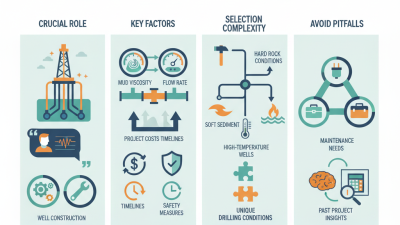
Choosing the right drilling mud pump is crucial for project success. A few key factors can influence your decision. Start by evaluating the pump's flow rate. This metric measures the volume of mud the pump can handle. It should match your drilling operations. Insufficient flow can cause delays, while excess flow may waste resources.
Next, consider the pump's pressure rating. It impacts the pump's ability to handle different types of drilling conditions. A pump with a higher pressure rating is more versatile. However, this could mean additional costs. Assess your project's specific needs before making a choice.
Durability is another aspect to reflect on. Pumps often face harsh environments. Knowing the materials and design of the pump can indicate its longevity. High-quality pumps may be more expensive initially, but they save on replacement costs. Finally, think about maintenance ease. Pumps that are difficult to service can lead to downtime. Balancing these factors can guide you to the best choice that meets your project's requirements.
Types of Drilling Mud Pumps and Their Applications
When it comes to drilling mud pumps, understanding the different types is crucial. Centrifugal pumps are common in various projects. They excel in moving fluids with low viscosity. These pumps are efficient and can handle large volumes. However, they struggle with thicker fluids and slurries. They may require additional equipment to function effectively.
Positive displacement pumps are another type to consider. They are designed for high-viscosity fluids, making them suitable for heavy drilling muds. These pumps can provide consistent pressure, even with challenging materials. A drawback is their complexity and maintenance needs. Regular checks are essential to ensure optimal operation.
Diaphragm pumps also play a role in drilling projects. They are ideal for applications that require a reliable seal. These pumps handle corrosive and abrasive materials well. Still, they may be less efficient for high-flow applications. Operators often face challenges in balancing flow rates and pressure. Understanding each type's strengths and weaknesses is vital for project success.
Benefits of Using High-Quality Drilling Mud Pumps
High-quality drilling mud pumps bring significant advantages to any drilling project. These pumps ensure efficient circulation of drilling fluid, which is crucial for maintaining well stability. When the right mud pump is used, it can effectively manage the pressure needed to transport heavy drilling mud. This prevents potential blowouts and accidents, making the operation safer.
Investing in reliable pumping technology also translates to cost savings. Quality pumps have a longer lifespan and require less maintenance. In contrast, cheaper options may break down often, leading to costly delays. Operators often face frustrations when equipment fails unexpectedly. High-quality pumps mitigate such risks by delivering consistent performance.
Moreover, enhanced pump efficiency can improve overall drilling speed. A pump that operates at optimal performance reduces downtime significantly. In projects with tight deadlines, this reliability is invaluable. Drilling teams often express concerns over equipment reliability. Using the best mud pumps addresses such worries, creating a smoother workflow and boosting morale.
Cost-Effectiveness and Efficiency of Optimal Drilling Solutions
Choosing the right drilling mud pump can significantly impact project costs and efficiencies. According to recent studies, optimal drilling solutions can yield cost reductions of 20% to 30%. When selecting a pump, it's vital to consider factors like durability and flow rates. Suboptimal pumps lead to extra maintenance and unforeseen costs.
Efficiency is another critical aspect. The best drilling mud pumps typically operate with reduced energy consumption. Data indicates that using high-efficiency pumps can lower energy costs by up to 15%. Additionally, pumps that maintain a steady flow rate contribute to better drilling performance. This avoids delays and mitigates risks associated with inconsistent mud circulation.
However, it is easy to overlook the need for routine check-ups and maintenance, which can be an afterthought. Regular assessments influence an equipment's lifespan. Investing time here can save significant costs down the line. Balancing initial purchasing decisions with long-term operational strategies is crucial for maximizing efficiency and minimizing expenses.
Why Choose the Best Drilling Mud Pumps for Your Project?
This chart illustrates the cost-effectiveness and efficiency of optimal drilling solutions by comparing various drilling mud pumps based on their flow rate, efficiency, and operational costs.