Best Rope Block Sheaves for Your Rigging Needs?
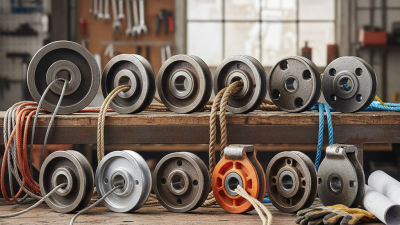
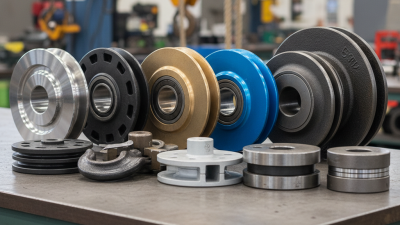
When it comes to rigging equipment, choosing the right Rope Block Sheaves is crucial. These components play a vital role in any rigging setup. They help manage the load and ensure smooth operation. Understanding their importance can significantly impact performance and safety in various applications.
The market offers many options for Rope Block Sheaves. Each type has its unique features, often designed for specific uses. High-quality materials and precise engineering can enhance the sheaves' durability and efficiency. However, selecting the right sheave can be overwhelming. Not all products on the market are reliable. Some may not perform as expected, leading to potential hazards.
Being aware of these challenges is key. Careful selection requires experience and knowledge of your rigging needs. Investing time in research can save money and avoid future issues. Ultimately, the best choices improve safety and operational efficiency. It's essential to evaluate options based on performance, material quality, and user feedback before making a decision.
Understanding Rope Block Sheaves and Their Functionality
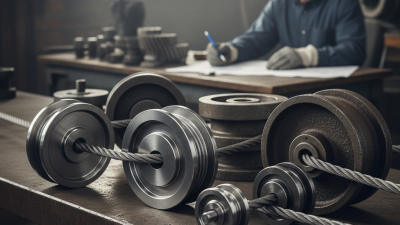
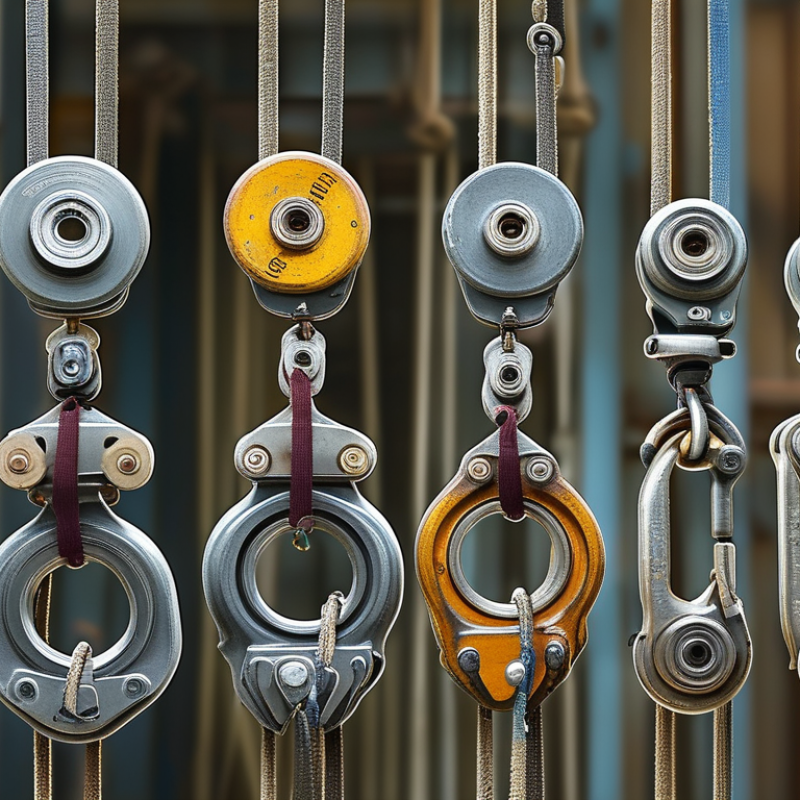
Rope block sheaves are essential components in rigging systems. They guide ropes and reduce friction, making lifting and pulling tasks easier. Understanding their functionality can help you choose the right sheave for your specific applications. The design and material of a sheave can significantly influence its performance and durability.
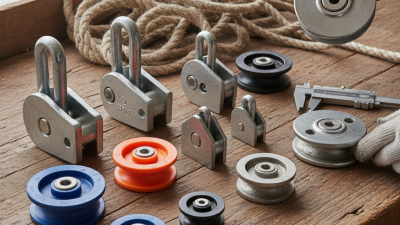
When selecting sheaves, consider the load capacity and the type of rope you will use. For different applications, you might need specific designs, like fixed or swiveling sheaves. Pay attention to the diameter of the sheave; it should match your rope size for optimal performance. A mismatch can lead to wear and tear on both the sheave and the rope.
Tip:
Regularly inspect your sheaves for signs of wear. Cracks or grooves can adversely affect their functionality. Also, keep them clean and free from debris. Dirt can cause friction and damage over time.
Another critical factor is the environment in which the sheaves will be used. Exposure to elements can affect their lifespan. Choosing materials that resist corrosion or wear is vital. Always reflect on past experiences to make informed choices for future needs. This practice can prevent costly mishaps.
Key Factors to Consider When Choosing Rope Block Sheaves
When selecting rope block sheaves, several key factors come into play. The material used for sheaves can significantly impact the performance and durability. Industry reports indicate that sheaves made from high-strength polymers are gaining popularity. These materials offer lightweight options while maintaining strength and resistance to wear. Steel sheaves, on the other hand, provide superior longevity but may add unnecessary weight to your rigging setup.
Another essential consideration is the size of the sheave. A matching size ensures optimal performance and reduces friction during operation. According to a recent study, improperly sized sheaves can cause a 30% increase in wear on the rope. Additionally, pay attention to the groove design of the sheave. This detail affects how the rope moves and can influence efficiency during rigging tasks.
Sheave compatibility is critical as well. Not all sheaves work seamlessly with every type of rope. It's vital to analyze the rope's diameter and construction before making a choice. Errors in compatibility can lead to safety issues. Many professionals recommend keeping a variety of sheave types in stock to address different rigging needs effectively. The focus should always be on reliable, safe, and efficient rigging practices.
Top Brands and Models of Rope Block Sheaves on the Market
When selecting rope block sheaves for rigging, understanding key features is crucial. The choice of materials directly affects durability and performance. According to industry reports, composite materials can offer weight savings while maintaining strength. This is especially important for heavy loads. A well-known statistic indicates that improper sheave selection can lead to a 30% increase in failure rates during operations.
Top models in the market often feature precision engineering. This is evident in their load capacities and reduced friction coefficients. Rigging professionals recommend consulting wear life data, which shows that high-quality sheaves can outlast lower-quality counterparts by several years. Corrosion resistance is also a critical factor; exposure to harsh environments can significantly degrade performance.
While many sheaves come with promises of high performance, not all meet expectations. There are countless reviews highlighting failures during pivotal moments. Always check user feedback and performance analytics. When investing in rigging equipment, thorough research can prevent unfortunate outcomes. Efficiency and safety depend heavily on the selected sheaves’ reliability.
Best Rope Block Sheaves for Your Rigging Needs
This chart illustrates the lift capacity (in tons) of various rope block sheaves. The values are based on typical specifications found in the market, providing a comparison for those looking for effective rigging solutions.
Maintenance Tips for Enhancing the Lifespan of Sheaves
Sheaves play a crucial role in rigging systems. Proper maintenance can greatly enhance their lifespan. Regular inspection is essential. Look for wear and tear, cracks, or signs of corrosion. If you notice any damage, consider replacement.
Keeping your sheaves clean can also prevent buildup that may hinder performance.
Lubrication is another key aspect. Use a suitable lubricant to minimize friction. However, be careful not to over-lubricate; excess oil can attract dirt and debris. Remember that different materials require different approaches to maintenance. Understanding your sheave material is important for selecting the right maintenance routine.
Storing sheaves properly is vital. Avoid leaving them exposed to harsh weather conditions. This can lead to premature degradation. It’s easy to overlook these aspects, but doing so might result in costly repairs or replacements down the line. Investing time in maintenance reflects in the performance of your rigging system. Small, consistent efforts yield long-term benefits.
Applications of Rope Block Sheaves in Various Rigging Scenarios
Rope block sheaves play a critical role in rigging, enabling efficient load management across various applications. These components are essential in marine settings, construction sites, and outdoor activities. According to industry reports, nearly 75% of rigging failures occur due to improper sheave design or installation. This statistic highlights the need for careful selection and usage.
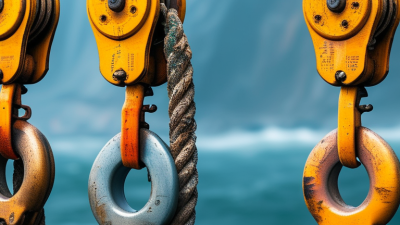
In marine operations, sheaves facilitate the movement of heavy sails and equipment. They reduce friction and wear on ropes, extending their lifespan. Maintaining sheaves ensures safe operations in challenging conditions. Devices exposed to seawater and harsh weather face unique challenges. Regular inspection and replacement are vital to avoid failures, as degraded materials can lead to mishaps.
In construction, proper sheave selection affects lifting capacities and safety. A recent study indicates that over 50% of site accidents are linked to inadequate rigging gear. This emphasizes the necessity of choosing high-quality, reliable sheaves. A well-designed sheave can significantly enhance efficiency and safety. However, a common oversight is neglecting the maintenance of these essential components, highlighting an area for improvement in safety practices. Ensuring regular checks can mitigate risks and improve overall site safety.